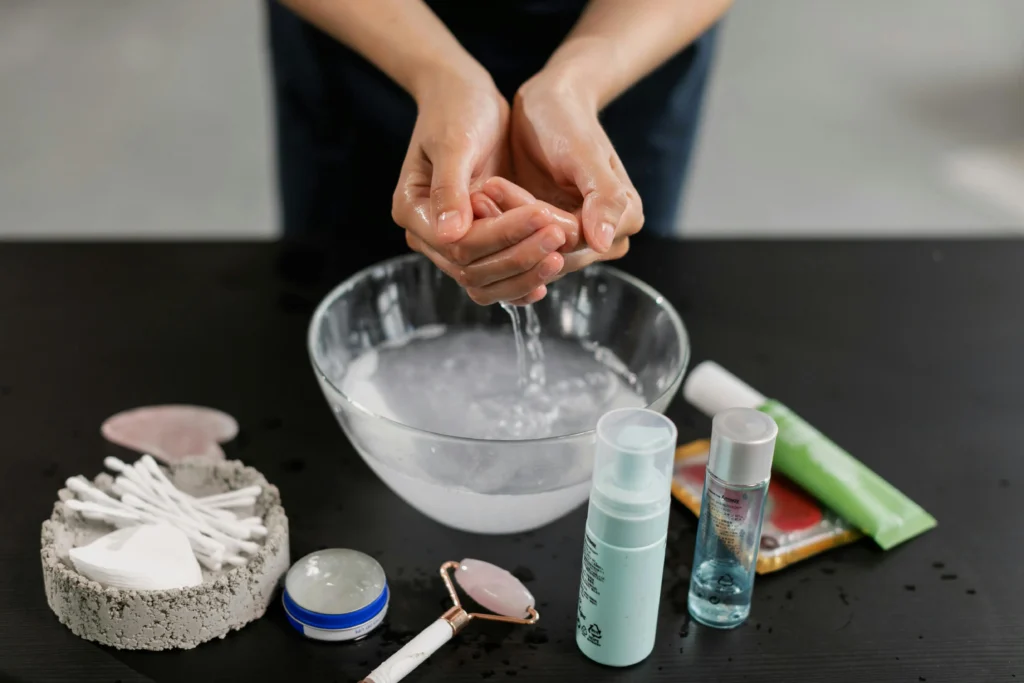
Skincare Basics for Beginners: Ingredients, Routine Steps & Healthy Skin Tips
Starting a skincare routine doesn’t have to be complicated. With thousands of products available today, it’s easy to feel overwhelmed by ingredients, routines, and marketing claims. However, healthy skin usually begins with understanding the basics rather than buying more products.
Whether your goal is preventing breakouts, improving hydration, reducing fine lines, or maintaining a healthy complexion, learning skincare fundamentals helps you make smarter product choices and build a routine that fits your skin’s needs.
For most beginners, an effective skincare routine consists of just a few essential steps:
- Gentle cleansing
- Moisturizing
- Daily sun protection
- Targeted treatments when needed
Consistency is often more important than using many products. A simple routine followed every day typically delivers better long-term results than frequently switching between trending skincare products.
This guide explains everything beginners should know—from identifying your skin type and understanding popular skincare ingredients to building a morning and evening routine that supports healthy skin. You’ll also discover common mistakes to avoid, practical skincare tips, and recommended resources to continue your skincare journey.
Table of Contents
- Why Learning Skincare Basics Matters
- Beginner Skincare Roadmap
- Understanding Your Skin Type
- Building a Morning Skincare Routine
- Building a Night Skincare Routine
- Essential Skincare Ingredients Explained
- How to Layer Skincare Products
- Common Skincare Mistakes Beginners Make
- Healthy Skin Habits Beyond Skincare
- Frequently Asked Questions
- Final Thoughts
Why Learning Skincare Basics Matters
Many people begin skincare by purchasing products recommended by influencers or friends without understanding what their skin actually needs. While some products may work well for others, skincare is highly personal. Factors such as skin type, age, environment, and lifestyle all influence how your skin responds to different ingredients.
Learning the fundamentals allows you to:
- Choose products based on your skin concerns rather than marketing claims.
- Avoid combining ingredients that may cause irritation.
- Build a routine that supports your skin barrier.
- Save money by purchasing only products that fit your needs.
- Improve consistency, which often leads to better long-term results.
Healthy skin is not about achieving perfection. Instead, it involves maintaining a balanced skin barrier, protecting your skin from environmental damage, and addressing concerns gradually with evidence-based skincare practices.
For readers who are ready to explore specific concerns, you may also enjoy:
- Best Skincare Routine for Acne-Prone Skin
- Sensitive Skin Care Guide
- Anti-Aging Skincare Guide
- Dark Spot Treatments
- Best Sunscreens
Beginner Skincare Roadmap
If you’re completely new to skincare, follow this simple roadmap before buying multiple products.
Step 1: Understand Your Skin Type
Knowing whether your skin is oily, dry, combination, normal, or sensitive helps determine which products are most suitable.
↓
Step 2: Build a Simple Routine
Start with only three essential products:
- Cleanser
- Moisturizer
- Sunscreen
Once your skin adapts well, you can introduce treatment products such as vitamin C, niacinamide, retinol, or exfoliating acids.
↓
Step 3: Learn About Ingredients
Instead of choosing products based on attractive packaging, understand what ingredients actually do.
Examples include:
- Hyaluronic Acid for hydration
- Niacinamide for oil control and barrier support
- Vitamin C for brightening
- Retinol for fine lines and skin renewal
- Ceramides for repairing the skin barrier
↓
Step 4: Introduce One Product at a Time
Adding several active ingredients simultaneously makes it difficult to identify which product is helping—or causing irritation.
Dermatologists often recommend introducing one new product every two to four weeks.
↓
Step 5: Stay Consistent
Most skincare products require several weeks of consistent use before noticeable improvements appear.
For example:
- Hydration improvements: a few days to two weeks
- Brightening ingredients: four to eight weeks
- Retinol: approximately three months
- Acne treatments: six to twelve weeks
Patience is an important part of successful skincare.
Understanding Your Skin Type
One of the biggest mistakes beginners make is purchasing products without identifying their skin type. Products formulated for oily skin may worsen dryness, while heavy creams designed for dry skin can feel greasy on oily complexions.
Understanding your skin type makes it easier to choose appropriate cleansers, moisturizers, sunscreens, and treatment products.
Normal Skin
Normal skin is generally balanced, meaning it is neither excessively oily nor overly dry.
Common characteristics include:
- Smooth texture
- Minimal breakouts
- Small pores
- Comfortable throughout the day
- Even skin tone
Recommended products:
- Gentle cleanser
- Lightweight moisturizer
- Broad-spectrum sunscreen
- Optional antioxidant serum
Oily Skin
Oily skin produces excess sebum, often leading to shine and clogged pores.
Common signs include:
- Greasy appearance
- Enlarged pores
- Frequent acne
- Blackheads
- Makeup breaking down quickly
Recommended ingredients:
- Niacinamide
- Salicylic Acid
- Oil-free moisturizers
- Lightweight gel moisturizers
Related Guide:
→ Best Moisturizers for Oily Skin
Dry Skin
Dry skin lacks moisture and natural oils, making it more prone to roughness and irritation.
Common symptoms include:
- Tightness after cleansing
- Flaking
- Rough texture
- Dull appearance
- Increased sensitivity
Helpful ingredients include:
- Ceramides
- Hyaluronic Acid
- Glycerin
- Squalane
- Shea Butter
Related Guide:
→ Best Moisturizers for Dry Skin
Combination Skin
Combination skin features both oily and dry areas, typically with an oily T-zone and drier cheeks.
Recommended products:
- Gentle foaming cleanser
- Lightweight moisturizer
- Gel moisturizer for oily areas
- Richer moisturizer for dry patches if needed
Sensitive Skin
Sensitive skin reacts more easily to environmental factors or certain skincare ingredients.
Signs may include:
- Redness
- Burning
- Stinging
- Itching
- Easily irritated skin
Choose products labeled:
- Fragrance-free
- Alcohol-free
- Hypoallergenic (where appropriate)
- Dermatologist tested
Barrier-supporting ingredients such as ceramides, panthenol, and colloidal oatmeal are often beneficial.
Related Guide:
→ Sensitive Skin Care Guide
Acne-Prone Skin
Acne-prone skin requires products that help reduce clogged pores while maintaining the skin barrier.
Beneficial ingredients include:
- Salicylic Acid
- Benzoyl Peroxide
- Niacinamide
- Retinoids (for suitable users)
It’s equally important to use a non-comedogenic moisturizer and wear sunscreen daily, as some acne treatments can increase sun sensitivity.
Related Guides:
- Best Skincare Routine for Acne-Prone Skin
- Best Face Wash for Oily Acne-Prone Skin
- Best Moisturizer for Acne-Prone Skin
Can Your Skin Type Change?
Yes. Skin type is not necessarily permanent. Changes in age, hormones, climate, medications, and lifestyle can all influence how your skin behaves over time.
For example:
- Teenagers often experience oilier skin due to hormonal changes.
- Adults may notice increased dryness with age.
- Seasonal weather can temporarily affect hydration levels.
- Certain medications may increase sensitivity or dryness.
Because of these changes, it’s a good idea to reassess your skincare routine periodically rather than using the same products indefinitely.
Building a Simple Morning Skincare Routine
A morning skincare routine focuses on protecting your skin from environmental stressors such as UV rays, pollution, and free radicals. It doesn’t need to involve many products—consistency is far more important than complexity.
Step 1: Cleanser
Start by washing your face with a gentle cleanser to remove excess oil, sweat, and impurities that accumulate overnight.
Choose a cleanser based on your skin type:
| Skin Type | Recommended Cleanser |
|---|---|
| Oily Skin | Foaming or gel cleanser |
| Dry Skin | Hydrating cream cleanser |
| Combination Skin | Gentle gel cleanser |
| Sensitive Skin | Fragrance-free cleanser |
| Acne-Prone Skin | Salicylic acid cleanser (if tolerated) |
Related Guides
Step 2: Antioxidant Serum (Optional)
Once you’re comfortable with the basics, you can add an antioxidant serum to help protect your skin from environmental damage.
One of the most popular options is Vitamin C.
Potential benefits include:
- Brightening dull skin
- Supporting collagen production
- Improving uneven skin tone
- Reducing the appearance of dark spots
- Helping defend against free radical damage
Related Guides
Step 3: Moisturizer
A moisturizer helps maintain hydration and supports your skin barrier, regardless of whether your skin is oily or dry.
Different skin types generally benefit from different textures:
- Lightweight gel for oily skin
- Lotion for combination skin
- Rich cream for dry skin
- Barrier-repair moisturizer for sensitive skin
Related Guides
- Best Moisturizers
- Best Moisturizer for Dry Skin
- Best Moisturizer for Acne-Prone Skin
- Best Moisturizer for Oily Skin
Step 4: Sunscreen (Never Skip This Step)
Daily sunscreen is one of the most effective ways to protect your skin from premature aging and sun damage.
Broad-spectrum sunscreen helps protect against both UVA and UVB rays.
Daily sunscreen use may help:
- Reduce sunburn
- Prevent premature wrinkles
- Reduce dark spots caused by UV exposure
- Lower cumulative sun damage
For everyday use:
- SPF 30 or higher
- Broad-spectrum protection
- Reapply every two hours during prolonged outdoor exposure
Related Guides
Building an Evening Skincare Routine
Nighttime is when many people use treatment products because the skin naturally undergoes repair processes while you sleep.
A beginner-friendly evening routine typically includes:
Step 1: Remove Makeup & Sunscreen
If you wear makeup or water-resistant sunscreen, consider using an oil cleanser or cleansing balm before your regular cleanser.
This technique is commonly known as double cleansing.
Step 2: Gentle Cleanser
Use the same cleanser that suits your skin type.
Avoid harsh scrubbing, which can weaken the skin barrier.
Step 3: Treatment Products (Optional)
After several weeks of using a basic routine, you may gradually introduce targeted treatments.
Common beginner-friendly ingredients include:
Niacinamide
May help:
- Control excess oil
- Improve skin barrier function
- Reduce redness
- Minimize the appearance of pores
Related Guide
- Niacinamide Guide
Retinol
Retinol is often used to improve:
- Fine lines
- Skin texture
- Acne
- Uneven skin tone
Because retinol can cause temporary irritation, beginners should introduce it slowly.
Related Guide
Salicylic Acid
Especially useful for:
- Blackheads
- Whiteheads
- Oily skin
- Acne-prone skin
Related Guide
Benzoyl Peroxide
Often recommended for inflammatory acne because it helps reduce acne-causing bacteria.
Related Guide
Step 4: Moisturizer
Finish your evening routine with a moisturizer to support overnight hydration and reinforce the skin barrier.
Essential Skincare Ingredients Explained
Understanding ingredients is often more valuable than memorizing product names.
Here are some of the most common skincare ingredients beginners encounter.
| Ingredient | Main Benefit | Best For |
|---|---|---|
| Hyaluronic Acid | Hydration | Dry, dehydrated skin |
| Niacinamide | Oil control & barrier support | Oily, combination skin |
| Vitamin C | Brightening | Uneven skin tone |
| Retinol | Anti-aging & acne | Mature or acne-prone skin |
| Ceramides | Skin barrier repair | Dry & sensitive skin |
| Salicylic Acid | Exfoliation | Acne-prone skin |
| Benzoyl Peroxide | Acne treatment | Inflammatory acne |
| Glycerin | Hydration | All skin types |
| Peptides | Firmness support | Aging skin |
| Squalane | Moisturizing | Dry & sensitive skin |
Ingredient Learning Hub
If you’d like to learn more about specific ingredients, continue with these in-depth guides:
Hydration Ingredients
- Hyaluronic Acid Guide
- Ceramide Guide
- Glycerin Guide
Acne Ingredients
- Niacinamide Guide
- Salicylic Acid Guide
- Benzoyl Peroxide Guide
Anti-Aging Ingredients
- Retinol Guide
- Peptides Guide
- Vitamin C Guide
Brightening Ingredients
How to Layer Skincare Products
Many beginners wonder whether the order of skincare products actually matters.
In general, apply products from the lightest texture to the heaviest.
Morning Routine Order
- Cleanser
- Toner (optional)
- Serum
- Eye cream (optional)
- Moisturizer
- Sunscreen
Evening Routine Order
- Makeup remover (if needed)
- Cleanser
- Treatment serum
- Retinol or exfoliant (on appropriate nights)
- Moisturizer
Avoid Using Too Many Active Ingredients Together
Using multiple strong active ingredients in the same routine may increase irritation, especially if you’re new to skincare.
Examples include:
❌ Retinol + strong exfoliating acids on the same night (for beginners)
❌ Multiple exfoliating acids layered together
❌ Introducing several new products simultaneously
Instead, add one new product every few weeks and monitor how your skin responds.
Common Skincare Mistakes Beginners Make
Learning what not to do is just as important as learning the correct routine.
1. Buying Too Many Products
More products do not necessarily produce better results.
Start simple.
2. Skipping Sunscreen
Without daily sun protection, it can be harder to maintain improvements from brightening or anti-aging products.
3. Changing Products Too Frequently
Most skincare products require several weeks before noticeable improvements appear.
Constantly switching products makes it difficult to evaluate their effectiveness.
4. Over-Exfoliating
Using exfoliating products too often may damage the skin barrier and increase irritation.
5. Ignoring Moisturizer
Even oily skin benefits from moisturization.
A compromised skin barrier can sometimes lead to increased oil production.
6. Expecting Overnight Results
Healthy skin develops gradually.
Patience and consistency usually produce better long-term outcomes than chasing quick fixes.
7. Copying Someone Else’s Routine
A routine that works well for another person may not suit your skin type, climate, or specific concerns.
Focus on your own skin’s needs rather than trends.
Explore Skincare by Topic
Where would you like to go next?
Learn by Skin Type
- Oily Skin
- Dry Skin
- Sensitive Skin
- Combination Skin
- Acne-Prone Skin
Learn by Skin Concern
- Acne
- Dark Spots
- Fine Lines
- Redness
- Dehydration
Learn by Ingredient
- Niacinamide
- Vitamin C
- Retinol
- Salicylic Acid
- Benzoyl Peroxide
- Ceramides
- Hyaluronic Acid
- Peptides
Product Recommendations
- Best Sunscreens
- Best Moisturizers
- Best Face Washes
- Best Retinol Serums
- Best Vitamin C Serums
- Best Niacinamide Serums
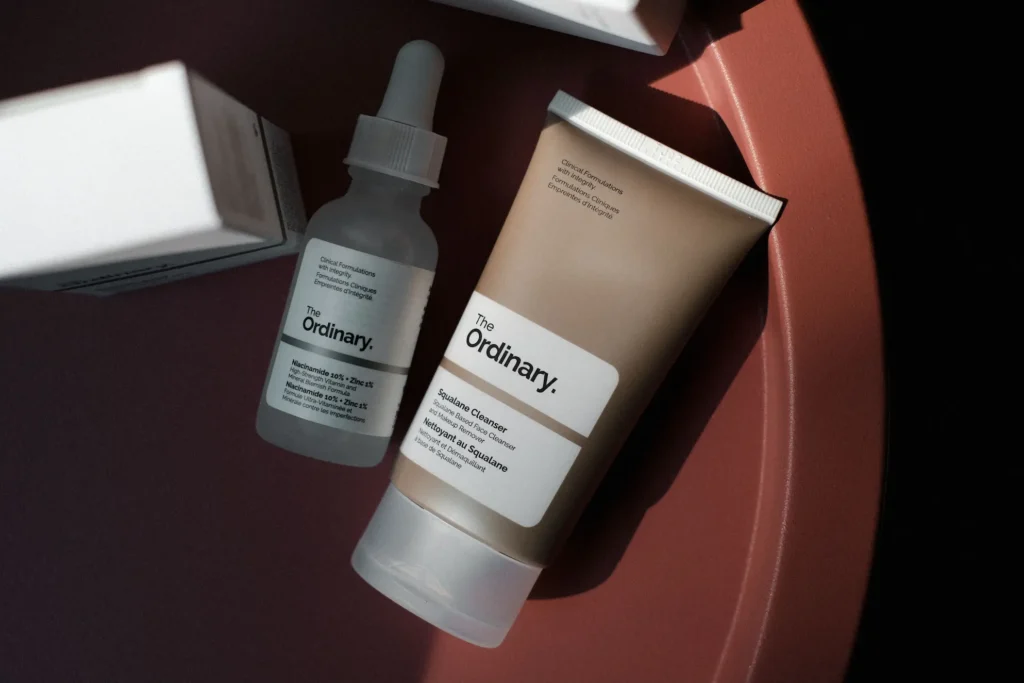
Healthy Skin Habits Beyond Your Skincare Routine
A good skincare routine is only one part of maintaining healthy-looking skin. Daily habits such as sun protection, sleep, nutrition, hydration, and stress management also play an important role in supporting your skin over time.
While skincare products can help address specific concerns, long-term skin health is often influenced by your overall lifestyle.
Protect Your Skin from the Sun
Ultraviolet (UV) exposure is one of the leading causes of premature skin aging and can contribute to uneven skin tone, dark spots, and other signs of photoaging.
To help protect your skin:
- Apply a broad-spectrum sunscreen with SPF 30 or higher every day.
- Reapply sunscreen every two hours during prolonged outdoor activities.
- Wear a wide-brimmed hat and sunglasses when possible.
- Seek shade during peak sunlight hours.
Related Guides
Stay Hydrated
Keeping your body hydrated supports overall health, including normal skin function.
Although drinking more water alone will not cure dry skin, staying adequately hydrated is part of maintaining healthy skin alongside a proper moisturizer.
Eat a Balanced Diet
A diet rich in fruits, vegetables, healthy fats, and lean protein provides nutrients that support overall skin health.
Some nutrients commonly associated with healthy skin include:
- Vitamin C
- Vitamin E
- Omega-3 fatty acids
- Zinc
- Protein
Get Enough Sleep
Your skin naturally undergoes repair processes while you sleep.
Adults generally benefit from around 7–9 hours of quality sleep each night as part of an overall healthy lifestyle.
Manage Stress
Chronic stress may worsen certain skin conditions in some individuals, including acne and eczema.
Helpful stress-management habits may include:
- Regular exercise
- Meditation
- Deep breathing
- Spending time outdoors
- Maintaining consistent sleep habits
Avoid Smoking
Smoking is associated with premature skin aging and may contribute to wrinkles, dullness, and slower wound healing.
Reducing or avoiding smoking benefits both your skin and your overall health.
Frequently Asked Questions
1. What skincare products do beginners actually need?
Most beginners can start with just three essential products:
- Gentle cleanser
- Moisturizer
- Broad-spectrum sunscreen
Treatment products such as vitamin C, niacinamide, or retinol can be added later once your basic routine is well established.
2. How long does it take to see skincare results?
Results depend on the product and the skin concern being treated.
General timelines include:
- Hydration: several days to two weeks
- Brightening: four to eight weeks
- Acne treatments: six to twelve weeks
- Retinol: approximately three months or longer
Consistency is key.
3. Should beginners use retinol?
Yes, but it should be introduced gradually.
Many beginners start with a low-strength retinol one or two nights per week before increasing frequency as tolerated.
4. Is sunscreen necessary even when staying indoors?
If you’re exposed to sunlight through windows or spend time outside during the day, wearing sunscreen is generally recommended as part of your daily skincare routine.
5. Can oily skin skip moisturizer?
No.
Even oily skin benefits from moisturizer. Choosing a lightweight, oil-free formula can help maintain a healthy skin barrier without feeling heavy.
6. Can I use Vitamin C and Niacinamide together?
Yes.
Current research indicates these ingredients are generally compatible and are commonly used together in many skincare routines.
7. What is the correct order to apply skincare products?
As a general rule:
- Cleanser
- Toner (optional)
- Serum
- Moisturizer
- Sunscreen (morning only)
Apply products from the lightest texture to the heaviest.
8. How often should I exfoliate?
Most beginners only need exfoliation one to three times per week, depending on skin type and the exfoliating product being used.
Over-exfoliating may damage the skin barrier and increase irritation.
9. How do I know my skin type?
Observe how your skin feels a few hours after cleansing.
- Shiny all over → Oily skin
- Tight or flaky → Dry skin
- Oily T-zone with dry cheeks → Combination skin
- Easily irritated → Sensitive skin
- Balanced without excessive oil or dryness → Normal skin
10. What is the most important skincare product?
If you could choose only one product, dermatologists generally consider broad-spectrum sunscreen the most important because it helps protect the skin from UV damage and supports long-term skin health.
Continue Your Skincare Journey
Now that you understand the fundamentals of skincare, the next step is choosing guides that match your skin type and concerns.
Learn by Skin Type
If you’re still identifying the best routine for your skin, explore these guides:
- Acne-Prone Skin Hub
- Oily Skin Guide
- Dry Skin Guide
- Sensitive Skin Hub
- Combination Skin Guide
Learn by Ingredient
Understand how popular skincare ingredients work before adding them to your routine.
Recommended guides:
- Niacinamide Guide
- Retinol Guide
- Vitamin C Guide
- Salicylic Acid Guide
- Benzoyl Peroxide Guide
- Hyaluronic Acid Guide
- Ceramide Guide
- Peptides Guide
Product Recommendations
Looking for dermatologist-recommended skincare products?
Explore our buying guides:
- Best Moisturizers
- Best Sunscreens
- Best Face Washes
- Best Retinol Serums
- Best Vitamin C Serums
- Best Niacinamide Serums
- Best Moisturizers for Dry Skin
- Best Moisturizers for Oily Skin
- Best Moisturizers for Acne-Prone Skin
Each guide explains what to look for, who the products are best suited for, and how they fit into a beginner-friendly skincare routine.
Conclusion
Learning skincare doesn’t have to be overwhelming. In fact, most people achieve better long-term results by following a simple, consistent routine rather than using many products at once.
Start by understanding your skin type, choosing a gentle cleanser, moisturizer, and sunscreen, then gradually introduce targeted ingredients such as niacinamide, vitamin C, or retinol based on your skin goals.
Remember that healthy skin develops over time. Patience, consistency, and evidence-based skincare habits are more effective than chasing quick fixes or every new trend.
As you become more familiar with skincare, continue exploring our ingredient guides, skin concern articles, and product recommendations to build a routine that works for your unique needs.
References
For additional evidence-based skincare information, consider these trusted resources:
- American Academy of Dermatology (AAD) – Skin care basics and sunscreen recommendations.
- National Institutes of Health (NIH) – Research on skin barrier function and skincare ingredients.
- U.S. Food & Drug Administration (FDA) – Sunscreen safety and regulations.
- DermNet – Educational information on common skin conditions and ingredients.