If you have oily, acne-prone skin, finding the right face wash can feel overwhelming. With countless cleansers claiming to eliminate oil, fight acne, and prevent breakouts, it’s easy to assume that the strongest product will deliver the best results.
In reality, using an overly harsh cleanser can strip away your skin’s natural protective barrier. When this happens, your skin may respond by producing even more oil, leading to increased shine, irritation, and potentially more breakouts.
A good face wash should remove excess oil, sunscreen, makeup, dirt, and impurities while preserving your skin’s moisture barrier. The goal is clean, comfortable skin—not a tight, squeaky-clean feeling.
In this guide, you’ll learn how to choose the best face wash for oily acne-prone skin, which ingredients are worth looking for, which ones to avoid, and how to build a cleansing routine that supports healthier-looking skin.
Related: If you’re new to skincare, visit our Acne-Prone Skin Hub to understand what causes breakouts and how to build a complete routine for clearer skin.
Quick Answer
Looking for a quick recommendation?
The best face wash for oily acne-prone skin should be:
✅ Gentle enough for daily use
✅ Non-comedogenic
✅ pH-balanced
✅ Free from harsh scrubbing particles
✅ Suitable for your skin type
Look for ingredients such as:
- Salicylic Acid
- Niacinamide
- Ceramides
- Glycerin
- Zinc PCA
- Panthenol
Avoid choosing a cleanser based solely on how “strong” it feels. A balanced cleanser that protects your skin barrier is usually more effective than one that leaves your skin feeling dry and tight.
Why Cleansing Matters for Oily Acne-Prone Skin
Throughout the day, your skin accumulates:
- Excess sebum
- Sweat
- Pollution
- Sunscreen
- Makeup
- Dead skin cells
- Dirt and debris
Without proper cleansing, these substances can mix together and contribute to clogged pores, increasing the likelihood of breakouts.
However, cleansing is about more than simply removing oil.
A well-formulated cleanser prepares your skin for the rest of your skincare routine by allowing serums, moisturizers, and sunscreen to perform more effectively.
Over-cleansing or using harsh products can weaken the skin barrier, causing:
- Increased oil production
- Dryness
- Redness
- Irritation
- Greater sensitivity to acne treatments
Finding the right balance is essential.
What Makes the Best Face Wash for Oily Acne-Prone Skin?
Not every cleanser marketed for oily skin is suitable for acne-prone skin.
Here are the characteristics to look for.
1. Non-Comedogenic Formula
The first thing to check is whether the cleanser is labeled non-comedogenic.
This means it has been formulated to reduce the likelihood of clogging pores.
Although no product can guarantee that breakouts will never occur, non-comedogenic formulations are generally a better choice for acne-prone skin.
2. Gentle Cleansing Agents
A cleanser should effectively remove excess oil without disrupting the skin barrier.
Modern cleansers often use mild surfactants that cleanse efficiently while maintaining the skin’s natural moisture.
If your face feels extremely tight immediately after washing, your cleanser may be too harsh.
3. Skin Barrier Support
Healthy skin begins with a healthy barrier.
Many modern cleansers include ingredients that help maintain hydration while cleansing.
Look for ingredients such as:
- Ceramides
- Glycerin
- Panthenol
These ingredients help reduce dryness after cleansing and prepare your skin for the next steps in your skincare routine.
For more information about barrier-supporting ingredients, visit our Ceramide Guide.
4. pH-Balanced Formula
Healthy skin naturally has a slightly acidic pH.
Using a pH-balanced cleanser helps preserve this environment, supporting beneficial skin functions and reducing irritation.
Most dermatologists recommend avoiding highly alkaline cleansers because they may disrupt the skin barrier.
5. Fragrance-Free (When Possible)
Added fragrance isn’t necessarily harmful, but people with sensitive or acne-prone skin often tolerate fragrance-free products better.
If your skin frequently becomes irritated, choosing fragrance-free skincare may reduce unnecessary sensitivity.
Best Ingredients to Look For
The ingredients in your cleanser matter just as much as the texture.
Here are some of the most beneficial ingredients for oily acne-prone skin.
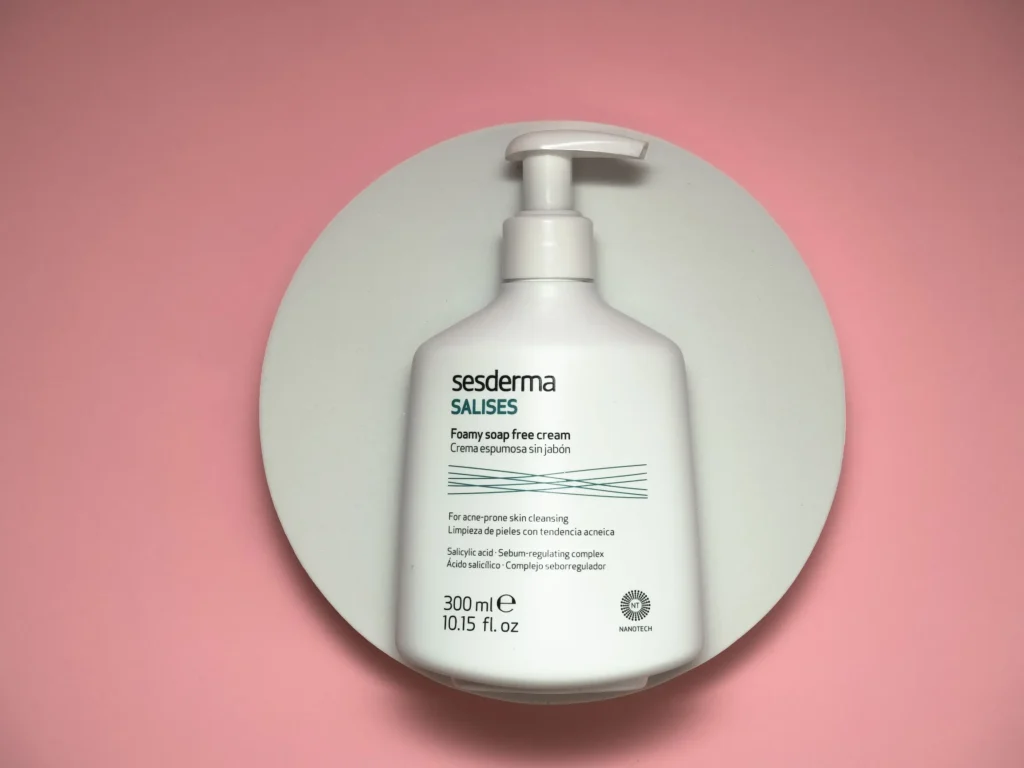
Salicylic Acid
Salicylic acid is one of the most well-known ingredients for acne-prone skin.
Because it is oil-soluble, it can penetrate into pores and help loosen excess oil and dead skin cells.
Potential benefits include:
- Reducing clogged pores
- Improving blackheads
- Helping prevent new breakouts
- Supporting smoother skin texture
A cleanser containing salicylic acid may be especially helpful if you experience frequent congestion or blackheads.
Niacinamide
Niacinamide complements a cleanser by helping to:
- Reduce excess oil
- Calm redness
- Strengthen the skin barrier
- Improve overall skin balance
Although cleansers remain on the skin for only a short time, niacinamide-containing formulas may still provide supportive benefits.
If you’d like to compare niacinamide with another popular ingredient, read our guide Niacinamide vs Vitamin C: Which One Is Better for Acne Marks?
Ceramides
Ceramides help replenish the skin barrier while minimizing moisture loss.
People using acne treatments often experience dryness, making ceramide-containing cleansers an excellent option for maintaining comfort.
Glycerin
Glycerin attracts water to the skin and helps prevent the tight, dry feeling that some cleansers leave behind.
It works well for nearly every skin type.
Zinc PCA
Zinc PCA is becoming increasingly popular in skincare products formulated for oily skin.
It may help:
- Reduce excess oil
- Support balanced skin
- Improve the appearance of oily areas
Panthenol (Vitamin B5)
Panthenol is known for its soothing and moisturizing properties.
It helps calm irritation while supporting the skin’s natural recovery process.
This makes it particularly useful if your acne treatment leaves your skin feeling dry or sensitive.
Best Cleansing Ingredients at a Glance
| Ingredient | Main Benefit | Best For |
|---|---|---|
| Salicylic Acid | Clears clogged pores | Oily and acne-prone skin |
| Niacinamide | Reduces oil and redness | Oily, combination skin |
| Ceramides | Supports skin barrier | Dry or irritated acne-prone skin |
| Glycerin | Hydrates without heaviness | All skin types |
| Zinc PCA | Helps control excess oil | Oily skin |
| Panthenol | Soothes irritation | Sensitive skin |
Rather than choosing a cleanser with the longest ingredient list, focus on finding a balanced formulation that suits your skin’s needs and feels comfortable enough for consistent daily use.
Ingredients to Avoid in a Face Wash for Oily Acne-Prone Skin
While choosing the right ingredients is important, it’s equally helpful to recognize formulations that may not suit oily acne-prone skin.
Keep in mind that skincare is highly individual—an ingredient that works well for one person may not work for another. Instead of avoiding specific ingredients entirely, focus on how your skin responds.
Here are a few things to consider.
Harsh Sulfates
Some cleansers contain strong cleansing agents that remove oil very effectively. While this may leave your skin feeling exceptionally clean, it can also strip away too much of your skin’s natural moisture.
When the skin barrier becomes compromised, your skin may compensate by producing even more oil, which can contribute to future breakouts.
If your face feels tight, dry, or uncomfortable after cleansing, it may be worth switching to a gentler formula.
Physical Scrubs
Face washes containing large, rough exfoliating particles can irritate inflamed acne.
Scrubbing aggressively may:
- Increase redness
- Damage the skin barrier
- Worsen inflammation
- Delay healing
If you want exfoliation, a chemical exfoliant such as salicylic acid is generally a gentler and more effective option for acne-prone skin.
Strong Fragrance
Fragrance isn’t automatically harmful, but it can be problematic for people with sensitive or easily irritated skin.
If you’ve noticed redness or stinging after using scented skincare products, choosing a fragrance-free cleanser may help reduce irritation.
High Alcohol Content
Some alcohols are beneficial in skincare, while others may be drying.
If a cleanser leaves your skin feeling overly dry immediately after use, consider switching to a more hydrating formula.
Maintaining your skin barrier is just as important as removing excess oil.
Gel vs Foaming vs Cream Cleanser
One of the most common questions is which cleanser texture is best.
The answer depends on your skin type and how your skin feels after cleansing.
| Cleanser Type | Best For | Pros | Cons |
|---|---|---|---|
| Gel Cleanser | Oily and combination skin | Lightweight, removes excess oil well | Some formulas may feel drying |
| Foaming Cleanser | Very oily skin | Deep cleansing, refreshing feel | Can be drying if overused |
| Cream Cleanser | Dry or sensitive acne-prone skin | Hydrating, gentle | May not remove heavy oil as effectively |
Gel Cleanser
Gel cleansers are among the most popular choices for oily acne-prone skin.
They typically provide effective cleansing while remaining lightweight and easy to rinse.
Many salicylic acid cleansers use a gel texture.
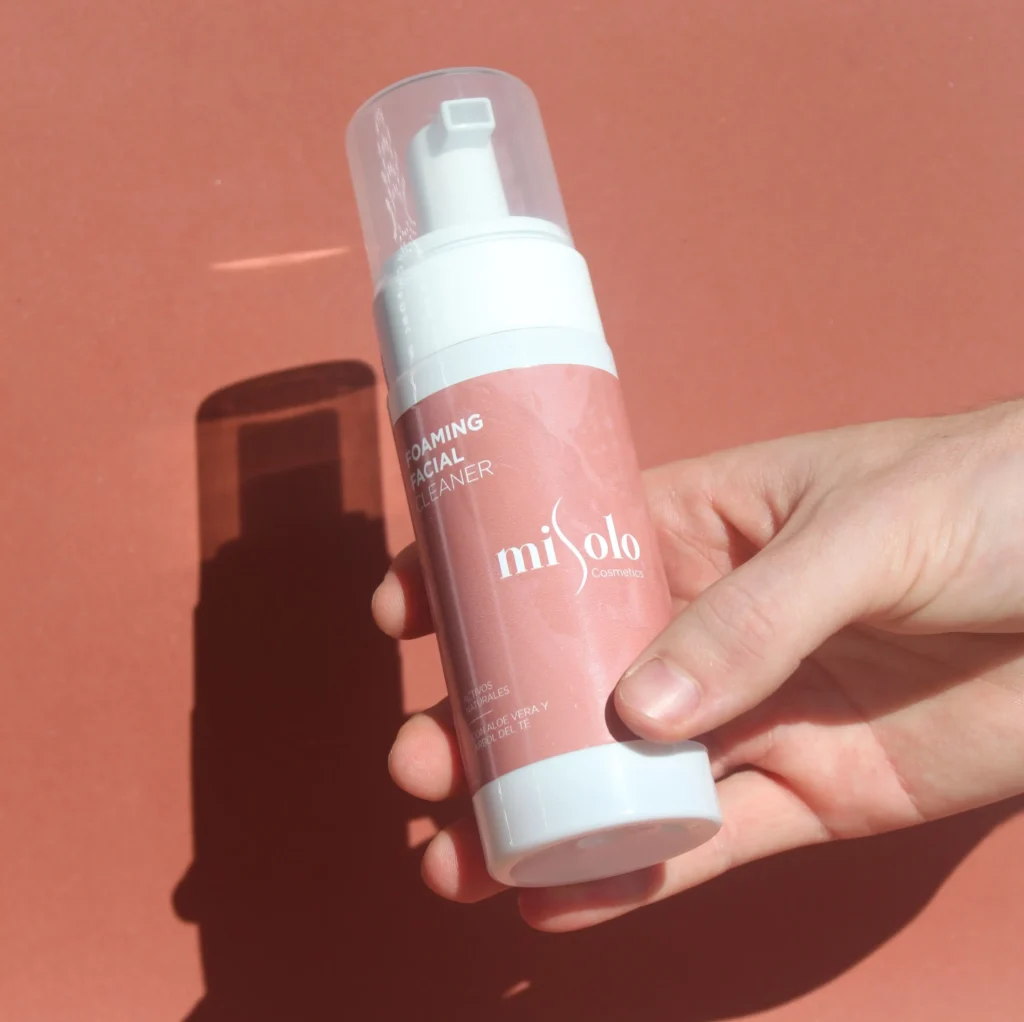
Foaming Cleanser
Foaming cleansers create a rich lather that many people associate with deep cleansing.
While they can work well for oily skin, overly foaming formulas may remove too much natural oil.
If you choose a foaming cleanser, look for one labeled as gentle or pH-balanced.
Cream Cleanser
Cream cleansers are ideal for people experiencing dryness from acne treatments.
Although they feel richer, many modern cream cleansers are formulated to be non-comedogenic.
Don’t assume cream automatically means pore-clogging.
How to Choose a Face Wash Based on Your Skin Type
Not every oily skin type is the same.
Understanding your skin’s specific needs makes choosing a cleanser much easier.
Oily Acne-Prone Skin
Recommended:
- Gel cleanser
- Salicylic acid
- Niacinamide
- Zinc PCA
Goal:
Reduce excess oil while keeping the skin barrier healthy.
Combination Skin
Recommended:
- Gentle gel cleanser
- pH-balanced formula
- Glycerin
- Ceramides
Goal:
Clean oily areas without drying the cheeks.
Sensitive Acne-Prone Skin
Recommended:
- Fragrance-free cleanser
- Ceramides
- Panthenol
- Glycerin
Avoid aggressive exfoliation and harsh cleansing agents.
Dry Acne-Prone Skin
Recommended:
- Cream cleanser
- Ceramides
- Glycerin
- Panthenol
After cleansing, always apply a moisturizer to help lock in hydration.
If you’re unsure which moisturizer to choose, see our Best Moisturizer for Acne-Prone Skin (2026) guide.
Morning vs Evening Cleansing
Should you use the same cleanser morning and night?
In most cases, yes.
However, the purpose of cleansing changes slightly depending on the time of day.
Morning Cleansing
In the morning, cleansing removes:
- Overnight oil
- Sweat
- Skincare residue
A gentle cleanse prepares your skin for:
- Serum
- Moisturizer
- Sunscreen
Daily sunscreen is one of the most effective ways to prevent acne marks from becoming darker.
Learn more in our Sunscreens Hub.
Evening Cleansing
Evening cleansing is even more important because it removes:
- Sunscreen
- Makeup
- Pollution
- Dirt
- Excess oil accumulated throughout the day
If you wear heavy sunscreen or makeup, consider double cleansing.
Should You Double Cleanse?
Double cleansing involves using:
- An oil-based cleanser or cleansing balm (first cleanse)
- A gentle water-based face wash (second cleanse)
This method is especially useful if you:
- Wear makeup regularly
- Apply water-resistant sunscreen
- Live in a polluted environment
However, if you don’t wear makeup and use only a lightweight sunscreen, a single gentle cleanse may be sufficient.
The goal is effective cleansing—not excessive cleansing.
How Often Should You Wash Your Face?
For most people with oily acne-prone skin, washing your face twice a day is enough.
Morning:
✔ Removes overnight oil.
Evening:
✔ Removes sunscreen, dirt, and excess sebum.
Washing more frequently isn’t necessarily better.
Excessive cleansing may:
- Dry the skin
- Trigger additional oil production
- Increase irritation
- Weaken the skin barrier
After exercise or heavy sweating, an additional gentle cleanse is reasonable if needed.
Step-by-Step Cleansing Routine
A consistent routine is often more effective than constantly switching products.
Morning
- Gentle face wash
- Serum (optional)
- Moisturizer
- Sunscreen SPF 30+
Evening
- Remove makeup (if needed)
- Gentle face wash
- Acne treatment (if applicable)
- Moisturizer
Keeping the routine simple improves consistency and reduces the risk of irritation.
Common Face Washing Mistakes
Even a high-quality cleanser may not deliver the desired results if used incorrectly.
Washing Too Often
More cleansing does not equal cleaner skin.
Twice daily is usually sufficient for most people.
Using Hot Water
Very hot water may strip away natural oils and increase skin dryness.
Use lukewarm water instead.
Scrubbing Too Hard
Aggressive rubbing can irritate inflamed acne and damage the skin barrier.
Instead, gently massage the cleanser using your fingertips for about 30–60 seconds before rinsing.
Skipping Moisturizer
Many people with oily skin avoid moisturizer after cleansing.
In reality, cleansing removes some moisture from the skin, making moisturizer an important step in restoring balance.
A lightweight, non-comedogenic moisturizer is usually the best choice.
Changing Cleansers Too Frequently
Most cleansers require several weeks of consistent use before you can accurately judge how well they suit your skin.
Avoid switching products every few days based on social media trends or immediate expectations.
How to Choose the Right Face Wash
With so many cleansers available, it’s easy to feel overwhelmed. Instead of choosing the most popular product or the strongest acne cleanser, focus on your skin’s specific needs.
Use this quick guide to help narrow your options.
Choose a Salicylic Acid Face Wash If You:
- Have oily skin
- Frequently experience blackheads or whiteheads
- Deal with clogged pores
- Want a cleanser that helps prevent new breakouts
Salicylic acid works by penetrating into pores to dissolve excess oil and dead skin cells, making it one of the most effective cleansing ingredients for oily acne-prone skin.
Choose a Gentle Hydrating Cleanser If You:
- Use retinoids or benzoyl peroxide
- Have sensitive skin
- Experience dryness after washing
- Notice flaking or irritation
Look for ingredients such as:
- Ceramides
- Glycerin
- Panthenol
A healthy skin barrier is essential for long-term acne management.
Choose a Fragrance-Free Cleanser If You:
- Have reactive or sensitive skin
- Experience redness easily
- Have a history of skin irritation
- Are introducing new skincare products
Simple formulations often perform just as well as products with long ingredient lists.
Dermatologist Tips for Healthier Skin
Although cleansing is an essential step in every skincare routine, it should be approached gently and consistently.
Here are several dermatologist-inspired recommendations that can help improve your overall skin health.
Wash Your Face Gently
Avoid scrubbing your skin aggressively.
Instead:
- Use your fingertips.
- Massage the cleanser gently for about 30–60 seconds.
- Rinse thoroughly with lukewarm water.
Gentle cleansing is often more effective than vigorous scrubbing.
Moisturize After Every Cleanse
Many people with oily skin skip moisturizer because they worry it will clog pores.
In reality, moisturizing helps restore hydration after cleansing and supports the skin barrier.
Choose a lightweight, non-comedogenic moisturizer designed for acne-prone skin.
If you need help selecting one, explore our Best Moisturizer for Acne-Prone Skin (2026) guide.
Wear Sunscreen Every Morning
One of the biggest mistakes people make is treating acne while forgetting sun protection.
UV exposure can:
- Worsen post-acne marks
- Increase skin irritation
- Slow the skin’s recovery process
Apply a broad-spectrum sunscreen with SPF 30 or higher every morning as the final step in your skincare routine.
Visit our Sunscreens Hub to learn how to choose the right sunscreen for acne-prone skin.
Be Consistent
Healthy skin isn’t achieved overnight.
Even the best cleanser needs time to support improvements in your skin.
Most people notice changes after several weeks of consistent use alongside a simple, well-balanced routine.
Frequently Asked Questions
What is the best face wash for oily acne-prone skin?
The best face wash is one that effectively removes excess oil while maintaining the skin barrier.
Look for a cleanser that is:
- Non-comedogenic
- pH-balanced
- Gentle enough for daily use
- Suitable for your skin type
Ingredients such as salicylic acid, niacinamide, glycerin, and ceramides are commonly recommended for oily acne-prone skin.
Is salicylic acid face wash good for acne?
Yes.
Salicylic acid helps unclog pores, reduce excess oil, and improve blackheads and whiteheads.
For many people with oily acne-prone skin, it is one of the most effective cleansing ingredients.
How often should I wash my face?
For most people, washing your face twice daily is sufficient.
Morning:
Remove overnight oil.
Evening:
Remove sunscreen, dirt, pollution, and excess sebum.
Additional cleansing after heavy exercise is acceptable if needed.
Can face wash remove acne?
No.
A face wash alone cannot cure acne.
However, it plays an important role in reducing excess oil, keeping pores clear, and preparing the skin for treatments such as serums, moisturizers, or prescription acne medications.
Should oily skin use moisturizer after cleansing?
Yes.
Oily skin still needs hydration.
Using a lightweight moisturizer after cleansing helps maintain the skin barrier and may reduce excessive oil production caused by dehydration.
Is a foaming cleanser better than a gel cleanser?
Neither is universally better.
Gel cleansers are often preferred for oily acne-prone skin because they provide effective cleansing without excessive dryness.
Foaming cleansers can also work well, provided they are formulated to be gentle and pH-balanced.
Can washing my face too often cause more acne?
Yes.
Over-cleansing can strip the skin’s natural oils, weaken the skin barrier, and trigger additional oil production.
Twice-daily cleansing is usually enough for most people.
Should I double cleanse every day?
Double cleansing is most beneficial if you wear makeup, water-resistant sunscreen, or are exposed to heavy pollution.
Otherwise, a single gentle cleanse is often sufficient.
Final Thoughts
Choosing the best face wash for oily acne-prone skin isn’t about finding the strongest cleanser—it’s about finding one that cleans effectively while respecting your skin’s natural barrier.
A good cleanser should remove excess oil, sunscreen, and impurities without leaving your skin feeling overly dry or irritated.
Combined with a lightweight moisturizer, targeted acne treatments, and daily sunscreen, the right face wash becomes the foundation of a healthy skincare routine.
Remember that skincare is a long-term commitment. Consistency, patience, and choosing products suited to your skin type are more important than following every new trend.
Continue Your Skincare Journey
If you’re building a complete routine for oily acne-prone skin, these guides can help:
- Acne-Prone Skin Hub – Learn about the causes of acne and effective daily routines.
- Face Washes Hub – Explore more cleansing tips and face wash guides.
- Best Moisturizer for Acne-Prone Skin (2026) – Discover moisturizers that hydrate without clogging pores.
- Niacinamide vs Vitamin C: Which One Is Better for Acne Marks? – Compare two popular ingredients for fading post-acne marks.
- Skincare Ingredients Hub – Understand how ingredients like ceramides, salicylic acid, and niacinamide work.
- Sunscreens Hub – Find out why SPF is essential for protecting acne-prone skin.
Building a simple, consistent skincare routine is one of the best ways to support healthier, clearer-looking skin over time.
Key Takeaways
- The best face wash for oily acne-prone skin cleans without stripping the skin barrier.
- Look for ingredients such as salicylic acid, niacinamide, ceramides, glycerin, and panthenol.
- Avoid harsh scrubbing and excessive cleansing.
- Wash your face twice daily using lukewarm water.
- Always follow cleansing with a lightweight moisturizer.
- Wear sunscreen every morning to protect your skin and reduce the risk of post-acne marks.