
Acne may eventually heal, but the dark or red marks it leaves behind can linger for weeks or even months. These post-acne marks often become the next skincare challenge, leading many people to ask the same question:
Should I use niacinamide or vitamin C?
Both ingredients are popular in modern skincare and are frequently recommended for improving uneven skin tone. However, they work in different ways and offer unique benefits depending on your skin type, skincare routine, and specific concerns.
Niacinamide is known for strengthening the skin barrier, regulating excess oil, and reducing inflammation, while vitamin C is widely recognized for brightening the complexion and protecting the skin from environmental damage.
So, which one is actually better for acne marks?
The short answer is that there isn’t a single winner. Niacinamide is often the better choice for people with sensitive or acne-prone skin because it helps calm inflammation while gradually fading discoloration. Vitamin C, on the other hand, may produce more noticeable brightening results for persistent dark spots when used consistently and paired with daily sunscreen.
In this guide, we’ll compare niacinamide vs vitamin C in detail, explain how each ingredient works, discuss their benefits and potential drawbacks, and help you decide which one best fits your skincare routine.
Related: If you’re new to treating breakouts, start with our Acne-Prone Skin Hub, where you’ll learn about acne causes, prevention strategies, and skincare routines designed for clearer skin.
Quick Answer: Niacinamide vs Vitamin C for Acne Marks
If you’re looking for a quick recommendation, here’s a simple comparison.
| Concern | Better Choice |
|---|---|
| Oily skin | Niacinamide |
| Sensitive skin | Niacinamide |
| Redness after acne | Niacinamide |
| Dark brown acne marks (PIH) | Vitamin C |
| Brightening dull skin | Vitamin C |
| Skin barrier repair | Niacinamide |
| Antioxidant protection | Vitamin C |
| Using strong acne treatments | Niacinamide |
| Overall daily skincare | Both together (when tolerated) |
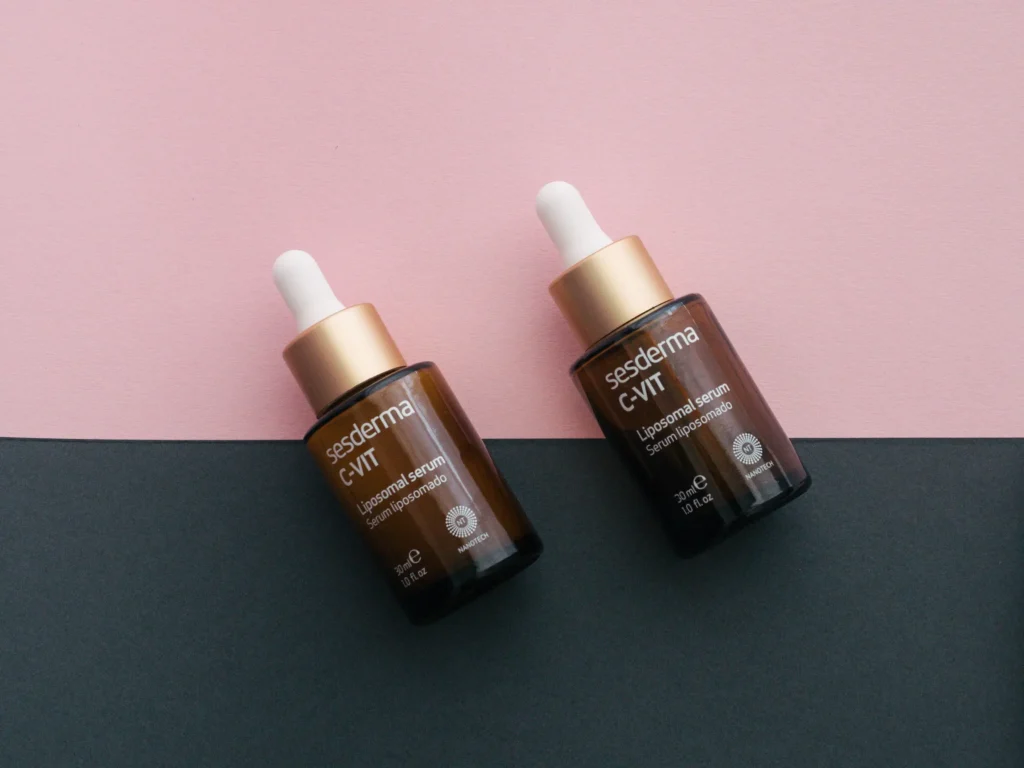
Bottom line: Niacinamide is often the safer option for beginners and acne-prone skin, while vitamin C is excellent for improving skin brightness and reducing persistent pigmentation. In many cases, using both ingredients in the same routine—when introduced gradually—can provide complementary benefits.
What Are Acne Marks?
Before comparing ingredients, it’s important to understand what acne marks actually are.
Many people use the terms acne scars and acne marks interchangeably, but they are not the same.
Acne marks refer to discoloration left behind after a pimple heals. These marks are usually flat and can fade over time with proper skincare.
There are two common types:
Post-Inflammatory Hyperpigmentation (PIH)
PIH appears as brown, gray, or dark patches after inflammation. It is more common in people with medium to deeper skin tones because inflammation can trigger excess melanin production.
Vitamin C is often recommended for this type of discoloration because it helps brighten uneven skin tone over time.
Post-Inflammatory Erythema (PIE)
PIE appears as pink, red, or purple marks caused by tiny blood vessels that remain visible after acne heals.
These marks are more common in lighter skin tones.
Niacinamide may help reduce the appearance of redness by supporting the skin barrier and calming inflammation.
What About Acne Scars?
Unlike acne marks, acne scars involve permanent structural changes to the skin.
Examples include:
- Ice pick scars
- Boxcar scars
- Rolling scars
Topical skincare ingredients such as niacinamide and vitamin C may improve the overall appearance of the skin, but they cannot completely remove true acne scars. Dermatological procedures such as microneedling, laser treatments, or chemical peels are often needed for significant scar improvement.

What Is Niacinamide?
Niacinamide is a form of vitamin B3 that has become one of the most widely recommended skincare ingredients for acne-prone and sensitive skin.
It supports multiple aspects of skin health, making it a versatile addition to many skincare routines.
Benefits of Niacinamide
Niacinamide may help:
- Strengthen the skin barrier
- Reduce excess oil production
- Calm redness and irritation
- Improve uneven skin tone
- Minimize the appearance of enlarged pores
- Support skin hydration
- Improve tolerance to acne treatments such as retinoids and benzoyl peroxide
Because niacinamide is generally well tolerated, it is suitable for most skin types, including oily, combination, and sensitive skin.
If you’re also dealing with dehydration or irritation, pairing niacinamide with a moisturizer containing ceramides can further support skin barrier recovery. Learn more in our Best Moisturizer for Acne-Prone Skin (2026) guide.
What Is Vitamin C?
Vitamin C is a powerful antioxidant that helps protect the skin from environmental stressors while promoting a brighter, more even complexion.
Several forms of vitamin C are used in skincare products. One of the most effective—but also potentially more irritating—is L-ascorbic acid. Gentler derivatives, such as sodium ascorbyl phosphate or magnesium ascorbyl phosphate, may be better suited for sensitive skin.
Benefits of Vitamin C
Vitamin C may help:
- Fade post-acne hyperpigmentation
- Brighten dull skin
- Reduce the appearance of dark spots
- Protect against environmental damage
- Support collagen production
- Improve overall skin radiance
For best results, vitamin C should be applied consistently and followed with a broad-spectrum sunscreen during the day, as UV exposure can make pigmentation more noticeable.
Niacinamide vs Vitamin C: Key Differences
Although both ingredients can improve acne marks, they target different skin concerns.
| Feature | Niacinamide | Vitamin C |
|---|---|---|
| Main Function | Barrier support and oil control | Brightening and antioxidant protection |
| Best For | Oily, acne-prone, sensitive skin | Hyperpigmentation and dull skin |
| Helps Fade Acne Marks | ✅ Yes | ✅ Yes |
| Reduces Redness | ⭐⭐⭐⭐⭐ | ⭐⭐⭐ |
| Brightens Skin | ⭐⭐⭐ | ⭐⭐⭐⭐⭐ |
| Supports Skin Barrier | ⭐⭐⭐⭐⭐ | ⭐⭐ |
| Antioxidant Protection | ⭐⭐ | ⭐⭐⭐⭐⭐ |
| Suitable for Beginners | Excellent | Good (depends on formulation) |
| Irritation Risk | Low | Moderate (especially L-ascorbic acid) |
The choice isn’t about which ingredient is universally better—it depends on your primary skin concern. Niacinamide excels at calming and strengthening the skin, while vitamin C is particularly effective for brightening discoloration and defending against environmental damage.
Which Ingredient Works Faster?
One of the most common questions is how quickly you’ll see results.
In general:
- Niacinamide may begin improving oil control, redness, and overall skin balance within 4–8 weeks of consistent use.
- Vitamin C often requires 8–12 weeks to noticeably brighten post-acne hyperpigmentation, although timing varies depending on the concentration, formulation, and severity of the marks.
Regardless of which ingredient you choose, consistency and daily sunscreen use play a major role in achieving visible improvements.
Benefits Comparison: Niacinamide vs Vitamin C
Both niacinamide and vitamin C can improve the appearance of acne marks, but they do so through different mechanisms. Understanding these differences can help you choose the ingredient that best matches your skincare goals.
Niacinamide: Best for Calming and Strengthening the Skin
Niacinamide is one of the most versatile skincare ingredients available. Rather than focusing on just one concern, it improves the skin’s overall health.
Key Benefits
Helps Fade Post-Acne Marks
Niacinamide reduces the transfer of melanin to skin cells, which can gradually improve the appearance of post-inflammatory hyperpigmentation (PIH).
Although results may take several weeks, the improvement is often steady and accompanied by healthier-looking skin.
Regulates Excess Oil
People with acne-prone skin often produce excess sebum.
Research suggests that niacinamide may help regulate oil production, making the skin appear less shiny without causing excessive dryness.
This makes it an excellent choice for oily and combination skin.
Strengthens the Skin Barrier
One of niacinamide’s greatest strengths is its ability to improve the skin barrier.
A healthy skin barrier helps:
- Retain moisture
- Reduce irritation
- Improve resilience
- Support healing after breakouts
If your skin feels dry from acne treatments, pairing niacinamide with a ceramide-rich moisturizer can be especially beneficial. Learn more in our Best Moisturizer for Acne-Prone Skin (2026) guide.
Reduces Redness
Because niacinamide has anti-inflammatory properties, it may help reduce redness associated with active acne and post-inflammatory erythema (PIE).
This makes it particularly useful for people whose skin remains red long after pimples disappear.
Vitamin C: Best for Brightening and Antioxidant Protection
Vitamin C is widely recognized as one of the best ingredients for improving dullness and uneven skin tone.
It also provides antioxidant protection against environmental stressors such as UV exposure and pollution.
Key Benefits
Brightens Dark Acne Marks
Vitamin C helps inhibit melanin production, making it especially effective for fading brown post-acne marks.
Consistent use may gradually produce a brighter, more even complexion.
Supports Collagen Production
Collagen is an essential structural protein that keeps skin firm and smooth.
Vitamin C plays an important role in collagen synthesis, which may help improve the overall appearance of skin affected by previous acne.
While topical vitamin C cannot eliminate deep acne scars, supporting collagen production contributes to healthier-looking skin over time.
Protects Against Free Radical Damage
Every day, your skin is exposed to UV rays, air pollution, and other environmental stressors.
Vitamin C neutralizes free radicals before they cause additional oxidative stress, helping maintain healthier skin over time.
For maximum protection, apply vitamin C in the morning and follow with a broad-spectrum sunscreen.
Visit our Sunscreens Hub to learn why daily sun protection is essential for preventing acne marks from becoming darker.
Improves Overall Skin Radiance
If your skin looks dull even after acne has healed, vitamin C may help restore a brighter, healthier appearance.
Many users notice improved radiance before significant fading of pigmentation occurs.
Side Effects: Which Ingredient Is Gentler?
Both ingredients are generally considered safe for most skin types.
However, they differ in how likely they are to cause irritation.
| Comparison | Niacinamide | Vitamin C |
|---|---|---|
| Irritation Risk | Low | Moderate |
| Suitable for Sensitive Skin | Excellent | Depends on formulation |
| Beginner Friendly | Yes | Usually |
| Can Cause Tingling | Rare | Sometimes |
| Compatible with Acne Treatments | Excellent | Good |
Niacinamide Side Effects
Most people tolerate niacinamide very well.
Occasionally, higher concentrations (10% or more) may cause:
- Mild flushing
- Temporary irritation
- Slight redness
If this happens, switching to a lower concentration such as 2–5% may improve comfort while still providing benefits.
Vitamin C Side Effects
Vitamin C can be slightly more challenging for beginners.
Some users experience:
- Tingling
- Mild stinging
- Temporary redness
- Dryness
These reactions are more common with L-ascorbic acid, especially at higher concentrations.
If you have sensitive skin, consider starting with a gentler vitamin C derivative and using it only a few times per week before gradually increasing frequency.
Which Ingredient Is Better for Your Skin Type?
There isn’t a universal answer because every skin type has different needs.
Here’s a practical guide.
Oily Acne-Prone Skin
Recommended: Niacinamide ⭐⭐⭐⭐⭐
Why?
Because it may help:
- Control excess oil
- Reduce redness
- Strengthen the skin barrier
- Improve enlarged pores
Vitamin C can still be beneficial, especially if dark acne marks are your main concern, but niacinamide is usually the easier starting point.
Sensitive Skin
Recommended: Niacinamide ⭐⭐⭐⭐⭐
Sensitive skin often reacts better to niacinamide because it has a lower risk of irritation.
If you’d like to use vitamin C, choose a gentle formulation and introduce it gradually.
Dry Acne-Prone Skin
Recommended: Both
Dry skin benefits from combining hydration with brightening.
A simple routine might include:
Morning:
- Vitamin C serum
- Moisturizer
- Sunscreen
Evening:
- Niacinamide serum
- Moisturizer
This combination supports hydration while addressing pigmentation.
Combination Skin
Combination skin can usually tolerate either ingredient.
Your choice depends on your primary concern:
- Oiliness and redness → Niacinamide
- Dark spots and dullness → Vitamin C
Mature Skin with Acne Marks
If your skin shows both acne marks and early signs of aging, vitamin C offers additional antioxidant benefits that support collagen production and overall skin brightness.
Can You Use Niacinamide and Vitamin C Together?
Yes.
One of the biggest skincare myths is that niacinamide and vitamin C should never be used together.
This belief originated from older laboratory studies that used unstable ingredient forms under conditions very different from everyday skincare.
Modern formulations are designed to remain stable, and dermatologists generally consider these ingredients compatible when properly formulated.
In fact, using both ingredients may provide complementary benefits.
Niacinamide focuses on:
- Supporting the skin barrier
- Reducing redness
- Regulating oil
Vitamin C focuses on:
- Brightening pigmentation
- Antioxidant protection
- Supporting collagen production
Together, they address multiple aspects of post-acne skin recovery.
How to Use Both Ingredients in the Same Routine
There are several ways to combine them.
Option 1: Vitamin C in the Morning, Niacinamide at Night
This is one of the easiest routines for beginners.
Morning
- Gentle cleanser
- Vitamin C serum
- Moisturizer
- Sunscreen
Evening
- Cleanser
- Niacinamide serum
- Moisturizer
This approach minimizes the risk of irritation while allowing each ingredient to perform its primary role.
Option 2: Layer Them in One Routine
If your skin tolerates both ingredients well:
- Cleanser
- Vitamin C serum
- Wait about one minute
- Niacinamide serum
- Moisturizer
- Sunscreen (morning)
Always introduce one new product at a time so you can monitor how your skin responds.
Common Mistakes That Slow Results
Even effective ingredients won’t deliver their full benefits if used incorrectly.
Expecting Overnight Results
Acne marks fade gradually.
Most people need at least 8–12 weeks of consistent use before noticeable improvement appears.
Patience and consistency are more important than using multiple active ingredients at once.
Skipping Sunscreen
This is perhaps the biggest mistake.
UV exposure can make acne marks darker and prolong the healing process.
Even the best vitamin C serum cannot fully compensate for daily sun damage.
Always finish your morning routine with a broad-spectrum SPF 30 or higher.
Using Too Many Active Ingredients
Layering vitamin C, retinol, exfoliating acids, benzoyl peroxide, and multiple serums all at once may overwhelm your skin.
A simple routine is often more effective—and easier to maintain—than a complicated one.
Ignoring the Skin Barrier
Healthy skin heals more efficiently.
If your skin feels tight, flaky, or irritated, prioritize hydration with a gentle moisturizer before adding more active ingredients.
Supporting your skin barrier can improve your tolerance to treatments and contribute to better long-term results.
Which One Should You Choose?
If you’re still unsure whether niacinamide or vitamin C is the better choice, use this quick decision guide.
Choose Niacinamide If You:
- Have oily or acne-prone skin
- Experience redness after breakouts
- Have sensitive skin
- Want to strengthen your skin barrier
- Are using retinoids or benzoyl peroxide
- Need a beginner-friendly active ingredient
Niacinamide is often the safest starting point because it addresses multiple concerns with a relatively low risk of irritation.
Choose Vitamin C If You:
- Have persistent brown acne marks (PIH)
- Want brighter, more radiant skin
- Spend time outdoors and want antioxidant protection
- Are concerned about early signs of aging
- Already have a healthy skin barrier
Vitamin C works particularly well when paired with a daily sunscreen, helping prevent UV exposure from making acne marks more noticeable.
Choose Both If You Want the Best of Both Worlds
For many people, the ideal solution isn’t choosing one ingredient over the other—it’s using both strategically.
A balanced routine might look like this:
Morning
- Gentle cleanser
- Vitamin C serum
- Moisturizer
- Broad-spectrum sunscreen (SPF 30 or higher)
Evening
- Gentle cleanser
- Niacinamide serum
- Moisturizer
This approach combines antioxidant protection during the day with barrier support and calming benefits at night.
Dermatologist Tips for Fading Acne Marks
While skincare ingredients can improve post-acne marks, results depend on consistency and healthy skincare habits.
Dermatologists commonly recommend the following:
Wear Sunscreen Every Day
Sun exposure is one of the biggest reasons acne marks last longer.
Even on cloudy days, UV rays can worsen hyperpigmentation.
Daily sunscreen is one of the most effective ways to support brighter, more even-looking skin.
Avoid Picking Pimples
Picking or squeezing acne increases inflammation and raises the risk of long-lasting discoloration and permanent scarring.
Allow blemishes to heal naturally whenever possible.
Introduce New Products Gradually
Adding multiple active ingredients at once makes it difficult to identify the cause of irritation.
Introduce one product at a time and give your skin several weeks to adjust.
Focus on Consistency
Visible improvement usually takes time.
Rather than switching products every few weeks, use a consistent routine for at least two to three months before evaluating results.
Prioritize Skin Barrier Health
Healthy skin heals more efficiently.
If your skin becomes irritated, simplify your routine and focus on hydration until your barrier recovers.
Frequently Asked Questions
Is niacinamide or vitamin C better for acne marks?
Both ingredients can improve acne marks, but they target different concerns.
Niacinamide is generally better for reducing redness, controlling excess oil, and strengthening the skin barrier.
Vitamin C is particularly effective for brightening brown post-inflammatory hyperpigmentation (PIH).
Can I use niacinamide and vitamin C together?
Yes.
Modern skincare formulations allow these ingredients to be used together safely.
Many people use vitamin C in the morning and niacinamide in the evening, while others layer them in the same routine if their skin tolerates both.
Which ingredient works faster?
Results vary depending on the individual and the severity of the acne marks.
Many people notice improvements from niacinamide within 4–8 weeks, while vitamin C often requires 8–12 weeks for noticeable brightening.
Consistency is more important than speed.
Is niacinamide better for oily skin?
Yes.
Niacinamide is one of the most recommended ingredients for oily and acne-prone skin because it may help regulate sebum production while supporting the skin barrier.
Does vitamin C help acne scars?
Vitamin C can improve the appearance of post-acne pigmentation and support collagen production, but it cannot remove deep or permanent acne scars.
Procedures such as microneedling, laser resurfacing, or chemical peels may be necessary for significant scarring.
Should I use vitamin C in the morning?
Yes.
Vitamin C is commonly used in the morning because its antioxidant properties help protect the skin from environmental stressors.
Always apply sunscreen afterward for the best results.
Can niacinamide replace vitamin C?
Not completely.
Although both ingredients help improve uneven skin tone, vitamin C provides stronger antioxidant protection, while niacinamide focuses more on barrier repair, oil regulation, and calming inflammation.
Which ingredient is better for beginners?
Niacinamide is generally the better starting point because it has a lower risk of irritation and is compatible with most skincare routines.
Once your skin adjusts, you can gradually introduce vitamin C if needed.
Final Verdict
When comparing niacinamide vs vitamin C, there is no universal winner.
Instead, the best choice depends on your skin type and primary concern.
- Choose niacinamide if you want to reduce redness, strengthen your skin barrier, and manage oily or acne-prone skin.
- Choose vitamin C if your main goal is to brighten persistent dark acne marks and protect your skin from environmental damage.
- If your skin tolerates both ingredients, using them together can provide complementary benefits and help create a well-rounded skincare routine.
Remember that no active ingredient can deliver instant results. A gentle, consistent routine—combined with daily sunscreen—is the most effective strategy for improving acne marks over time.
Continue Your Skincare Journey
If you found this guide helpful, explore these related resources:
- Acne-Prone Skin Hub – Learn how to build a complete routine for acne-prone skin.
- Skincare Ingredients Hub – Understand the benefits of popular ingredients like ceramides, salicylic acid, and hyaluronic acid.
- Serums Hub – Discover how to choose the right serum for your skin concerns.
- Best Moisturizer for Acne-Prone Skin (2026) – Find moisturizers that hydrate without clogging pores.
- Sunscreens Hub – Learn why daily SPF is essential for preventing acne marks from becoming darker.
Building a consistent routine is one of the best investments you can make for healthier, clearer-looking skin.
Key Takeaways
- Niacinamide and vitamin C both help improve acne marks but work differently.
- Niacinamide is ideal for oily, acne-prone, and sensitive skin because it strengthens the skin barrier and reduces redness.
- Vitamin C is excellent for fading post-inflammatory hyperpigmentation (PIH) and brightening dull skin.
- Using both ingredients together can provide complementary benefits.
- Daily sunscreen is essential to prevent acne marks from becoming darker.
- Consistency is the key to visible results.