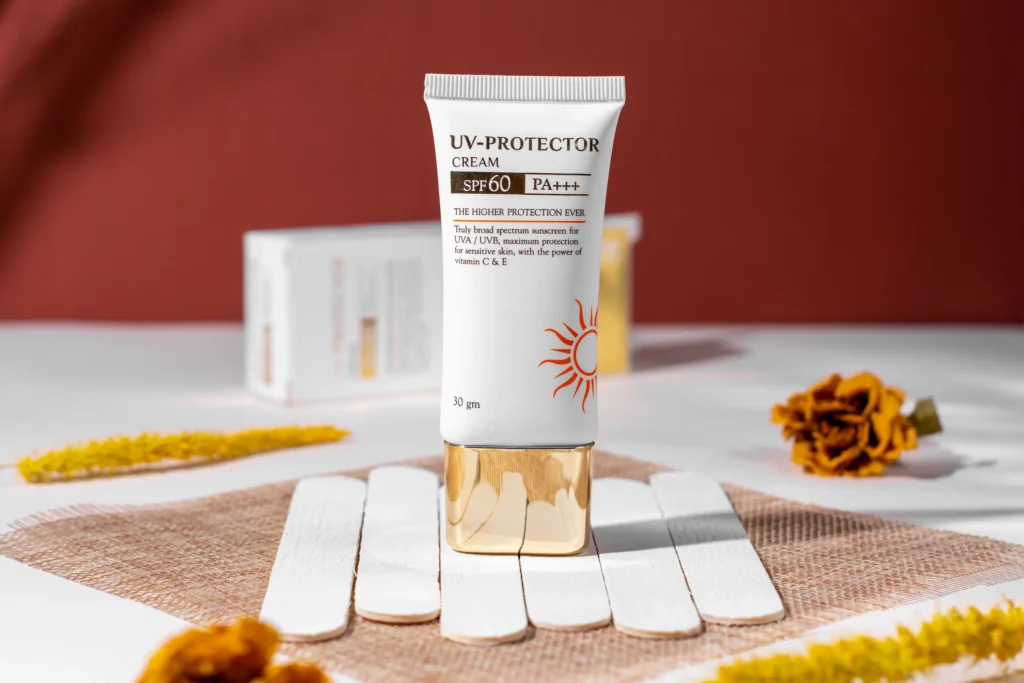
Finding the best sunscreen for dry skin isn’t just about choosing a high SPF. If your skin often feels tight, flaky, or dehydrated, the wrong sunscreen can make these issues worse by leaving your skin feeling even drier or creating an uncomfortable finish.
The ideal sunscreen for dry skin should do more than protect against harmful UV rays. It should also provide long-lasting hydration, strengthen the skin barrier, and layer comfortably under makeup or alongside the rest of your skincare routine.
In this comprehensive 2026 buying guide, we compare the best sunscreen options for dry skin based on ingredient quality, moisturizing performance, UV protection, formulation stability, dermatologist recommendations, and overall value.
Whether you’re looking for a lightweight daily sunscreen or a richer cream for very dry skin, this guide will help you choose the right product for your skincare routine.
Editorial Note: Product recommendations are reviewed regularly. As formulations evolve and new products become available, this guide will be updated to reflect the latest evidence and expert recommendations.
Quick Comparison: Best Sunscreens for Dry Skin
| Product | Best For | SPF | Sunscreen Type | Finish |
|---|---|---|---|---|
| Product A | Best Overall | SPF 50+ | Hybrid | Hydrating Natural Finish |
| Product B | Sensitive Dry Skin | SPF 50 | Mineral | Creamy |
| Product C | Everyday Wear | SPF 50 | Chemical | Lightweight Dewy |
| Product D | Mature Skin | SPF 50+ | Hybrid | Radiant |
| Product E | Budget Pick | SPF 50 | Chemical | Moisturizing |
Affiliate product recommendations will be added beginning in August 2026 after our editorial review process is completed.
Editor’s Product Picks
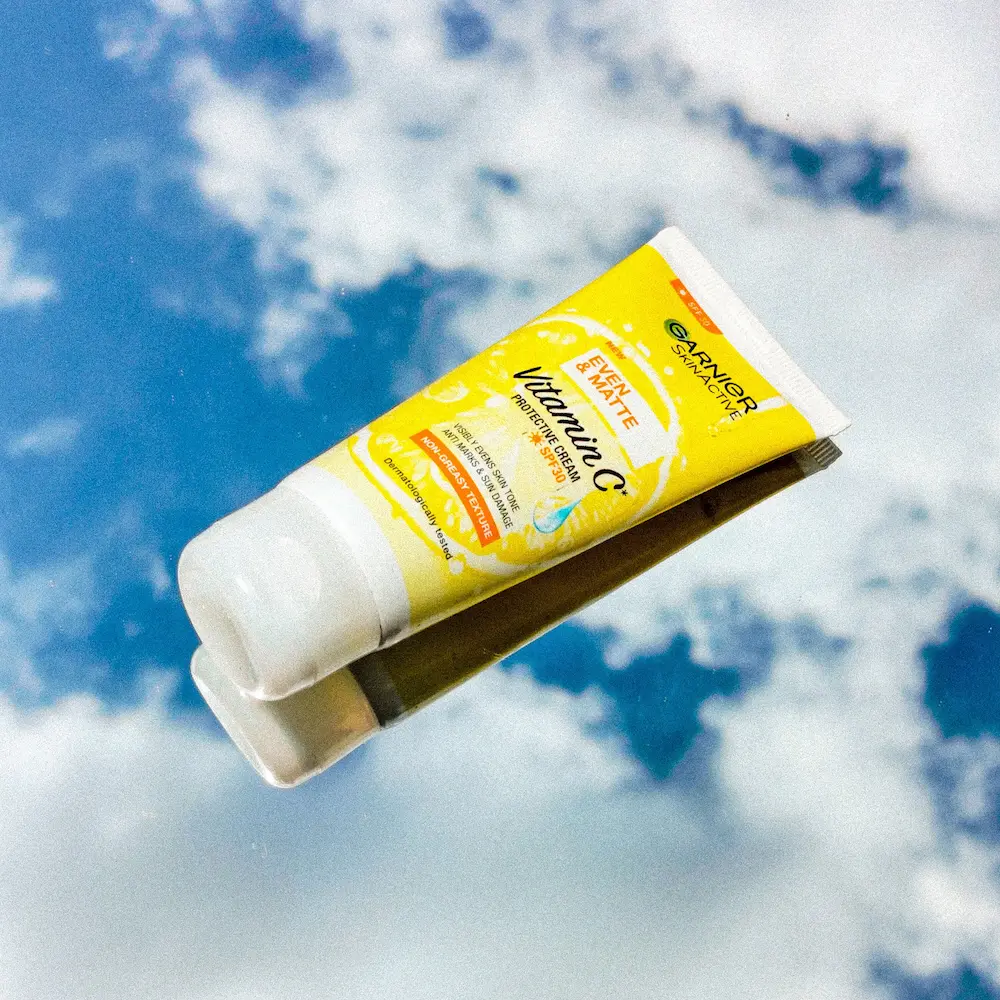
Choosing a sunscreen for dry skin involves more than comparing SPF numbers. We prioritize products that combine reliable broad-spectrum UV protection with ingredients that support hydration and skin barrier health.
Our evaluation focuses on:
- Broad-spectrum UVA & UVB protection
- Moisturizing ingredients
- Skin barrier support
- Formula stability
- Cosmetic elegance
- Compatibility under makeup
- Ingredient transparency
- Overall value for money
Every recommendation is based on scientific evidence, dermatologist guidance, ingredient analysis, and overall formulation quality rather than marketing claims alone.
Why Trust BestGlowCare?
At BestGlowCare, our editorial team researches skincare products using an evidence-based approach. We review published scientific literature, dermatologist recommendations, ingredient lists, formulation quality, and user experience before recommending products.
Our buying guides are designed to help readers make informed purchasing decisions—not simply highlight trending products.
As new formulations and clinical evidence become available, our recommendations are updated to keep this guide accurate and relevant.
Why Dry Skin Needs the Right Sunscreen
People with dry skin naturally have a weaker skin barrier, allowing moisture to escape more easily. Environmental factors such as cold weather, air conditioning, frequent cleansing, and UV exposure can further contribute to dryness.
A suitable sunscreen should not only shield your skin from ultraviolet radiation but also help reduce moisture loss throughout the day.
Using a sunscreen formulated for dry skin may help:
- Maintain skin hydration
- Reduce feelings of tightness
- Support the skin barrier
- Protect against premature aging
- Improve overall skin comfort
- Layer smoothly under makeup
- Complement your daily moisturizer
Daily sunscreen use remains one of the most effective ways to reduce UV-related skin damage and premature aging.
For a broader overview of sun protection, read our Best Sunscreens
What Causes Dry Skin?
Dry skin occurs when the outer layer of the skin loses too much water or lacks sufficient natural oils.
Common contributing factors include:
- Cold or dry climates
- Aging
- Frequent hot showers
- Harsh cleansers
- Overuse of exfoliating acids
- Retinoids
- Environmental pollution
- Excessive sun exposure
People with dry skin often benefit from skincare products that contain both humectants and barrier-supporting ingredients.
What Makes a Good Sunscreen for Dry Skin?
Not all sunscreens provide the same level of hydration.
The best sunscreen for dry skin typically includes moisturizing and skin-conditioning ingredients in addition to UV filters.
Look for formulas containing:
Hyaluronic Acid
Helps attract and retain moisture, making skin feel softer and more hydrated.
Ceramides
Support the skin barrier and reduce transepidermal water loss (TEWL).
Glycerin
One of the most widely used humectants that helps draw water into the outer layer of the skin.
Squalane
A lightweight emollient that helps soften skin without feeling greasy.
Panthenol (Vitamin B5)
Known for its soothing and moisturizing properties, panthenol supports skin barrier function and helps improve overall comfort.
Niacinamide
Although often associated with oily skin, niacinamide also helps strengthen the skin barrier and reduce moisture loss, making it beneficial for many people with dry skin.
Learn more in our Niacinamide: Benefits, Best Serums & How to Use It guide.
Mineral vs Chemical Sunscreen for Dry Skin
Both mineral and chemical sunscreens can work well for dry skin, but each has unique characteristics.
| Feature | Mineral Sunscreen | Chemical Sunscreen |
|---|---|---|
| Skin Feel | Richer Cream | Lightweight Lotion |
| White Cast | May Occur | Usually Minimal |
| Hydration | Often Excellent | Depends on Formula |
| Sensitive Skin | Often Preferred | Usually Well Tolerated |
| Daily Wear | Good | Excellent |
Many modern hybrid sunscreens combine mineral and chemical UV filters to balance cosmetic elegance with broad-spectrum protection.
If you’d like to learn more, read our Mineral vs Chemical Sunscreen: Which One Is Better? guide.
How We Evaluated These Sunscreens
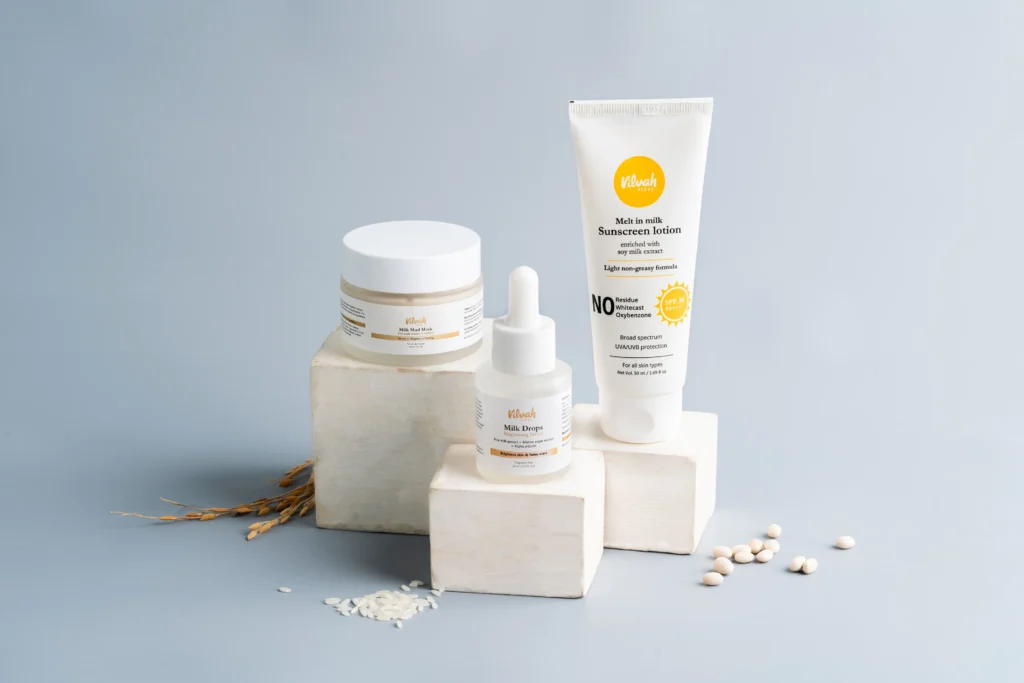
Every sunscreen featured in this guide is assessed using consistent editorial standards.
Our evaluation includes:
- Broad-spectrum UVA/UVB protection
- SPF value
- Moisturizing performance
- Skin barrier-supporting ingredients
- Cosmetic finish
- White cast potential
- Ease of application
- Fragrance content
- Suitability for sensitive skin
- Overall value
- Brand transparency
- User satisfaction
Rather than focusing solely on SPF, we consider how each product performs as part of a complete skincare routine for dry skin.
Who Should Use These Sunscreens?
These recommendations are especially suitable for people who experience:
- Dry skin year-round
- Tightness after cleansing
- Flaky patches
- Mature skin
- Mild dehydration
- Skin barrier concerns
- Seasonal dryness
If you have eczema, rosacea, or another diagnosed skin condition, consult a dermatologist before introducing new skincare products.
Common Ingredients to Avoid (If Your Skin Is Very Dry)
While everyone’s skin is different, some individuals with very dry skin may find these ingredients less comfortable in certain formulations:
- High concentrations of denatured alcohol
- Strong fragrances
- Essential oils (for sensitive skin)
- Harsh exfoliating acids in leave-on daytime products
- Drying matte finishes
This doesn’t mean these ingredients are harmful, but they may not be ideal for every person with dry skin.
Building a Complete Routine for Dry Skin
A sunscreen works best as part of a consistent skincare routine.
A simple morning routine may include:
- Gentle cleanser
- Hydrating serum (optional)
- Moisturizer
- Sunscreen
In the evening, consider incorporating ingredients such as ceramides, peptides, or retinoids based on your skin’s needs.
Related guides:
- Best Moisturizers
- Best Vitamin C Serums
- Best Retinol Serums
- Best Face Wash for Oily Acne-Prone Skin (if combination skin is also a concern)
Top 10 Best Sunscreens for Dry Skin (2026)
Choosing the best sunscreen for dry skin isn’t just about selecting the highest SPF. The right product should provide reliable broad-spectrum protection while helping your skin stay hydrated, comfortable, and healthy throughout the day.
Below are our top categories based on formulation quality, moisturizing ingredients, UV protection, cosmetic finish, and overall value.
Editorial Note: Affiliate product recommendations will be added beginning in August 2026 after completing our editorial review process.
1. Best Overall Sunscreen for Dry Skin
Editor’s Rating: ★★★★★
Best For: Daily use, normal to dry skin
A great everyday sunscreen for dry skin should combine broad-spectrum SPF protection with long-lasting hydration. The best formulas leave the skin feeling soft and comfortable without feeling greasy or heavy.
Key Ingredients to Look For
- Hyaluronic Acid
- Ceramides
- Glycerin
- Vitamin E
- Broad-spectrum UV filters
Why We Recommend It
This type of sunscreen works well for most people because it balances effective UV protection with skin barrier support, making it suitable for everyday wear.
Pros
- Excellent hydration
- Comfortable all-day wear
- Layers well under makeup
- No heavy residue
- Supports skin barrier
Cons
- Premium products may cost more
- Rich texture may not suit very oily skin
Affiliate recommendation will be added here.
2. Best Sunscreen for Sensitive Dry Skin
Editor’s Rating: ★★★★★
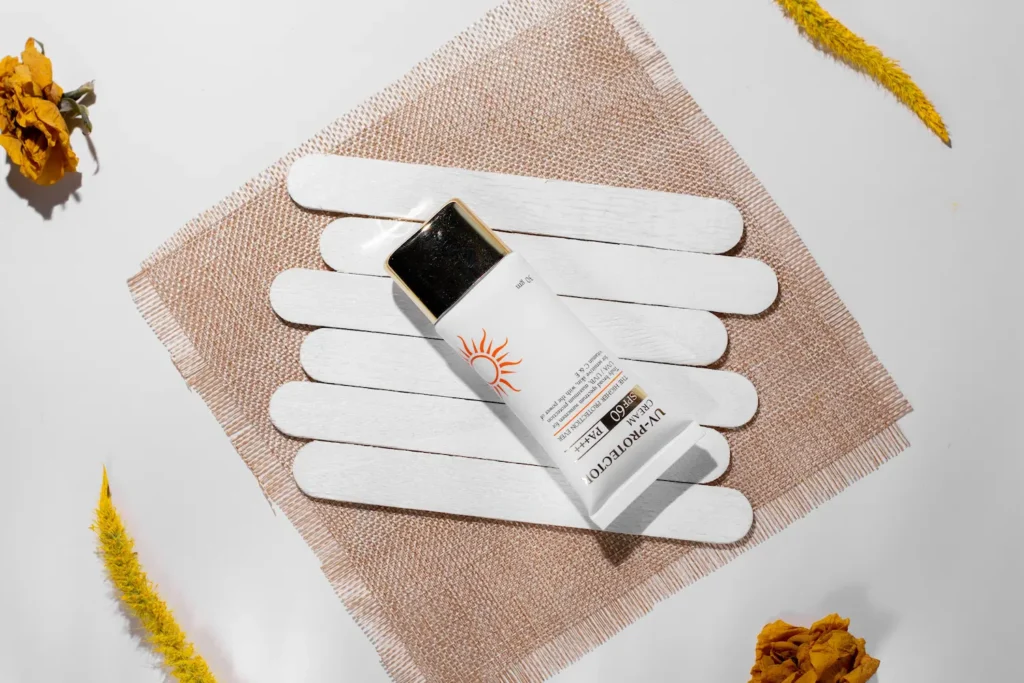
Sensitive skin often benefits from fragrance-free formulas with fewer potential irritants.
Look For
- Mineral or hybrid UV filters
- Ceramides
- Panthenol
- Colloidal Oatmeal
- Centella Asiatica
Why It Stands Out
Gentle formulations help reduce the likelihood of irritation while maintaining hydration throughout the day.
Pros
- Fragrance-free options available
- Supports sensitive skin
- Moisturizing finish
- Comfortable daily use
Cons
- Mineral formulas may leave a slight white cast
3. Best Budget Sunscreen for Dry Skin
Editor’s Rating: ★★★★☆
A good sunscreen doesn’t have to be expensive.
Many affordable options now include hydrating ingredients once found only in premium skincare.
Features
- SPF 50+
- Glycerin
- Hyaluronic Acid
- Lightweight cream texture
Pros
- Affordable
- Excellent value
- Suitable for everyday use
Cons
- Simpler formulations
- Fewer antioxidant ingredients
4. Best Luxury Sunscreen for Dry Skin
Editor’s Rating: ★★★★★
Luxury sunscreens often feature elegant textures, advanced delivery systems, and premium moisturizing ingredients.
Common additions include:
- Peptides
- Antioxidants
- Fermented ingredients
- Advanced emollients
Pros
- Beautiful finish
- Premium packaging
- Luxurious texture
- Excellent hydration
Cons
- Higher price
- Performance improvements may be incremental over quality mid-range products
5. Best Mineral Sunscreen for Dry Skin
Editor’s Rating: ★★★★★
Mineral sunscreens use zinc oxide, titanium dioxide, or a combination of both to protect against UV radiation.
Modern formulations are significantly more cosmetically elegant than older products.
Benefits
- Excellent for sensitive skin
- Immediate UV protection
- Broad-spectrum coverage
- Rich moisturizing texture
Pros
- Gentle
- Suitable for reactive skin
- Comfortable during winter
Cons
- Some products may leave a white cast
For a detailed comparison, read Mineral vs Chemical Sunscreen: Which One Is Better?
6. Best Chemical Sunscreen for Dry Skin
Editor’s Rating: ★★★★★
Modern chemical sunscreens are lightweight, easy to spread, and generally invisible on all skin tones.
Many newer formulations also include hydrating ingredients that work well for dry skin.
Pros
- Lightweight
- No white cast
- Easy reapplication
- Elegant finish
Cons
- Some people with sensitive skin may prefer mineral filters
7. Best Sunscreen for Mature Dry Skin
Editor’s Rating: ★★★★★
As skin ages, maintaining hydration becomes increasingly important.
The best options often combine sunscreen with anti-aging ingredients.
Helpful Ingredients
- Peptides
- Vitamin E
- Ceramides
- Niacinamide
- Hyaluronic Acid
Pros
- Supports mature skin
- Comfortable finish
- Helps reduce dryness
Cons
- Often more expensive
8. Best Sunscreen Under Makeup
Editor’s Rating: ★★★★☆
Many people with dry skin struggle to find sunscreen that works well beneath foundation.
The ideal product should absorb well while leaving a smooth, hydrated finish.
Look For
- Dewy finish
- Lightweight cream
- Silicone-balanced formula
- Non-pilling texture
Pros
- Makeup-friendly
- Hydrating
- Smooth finish
Cons
- Dewy formulas may not appeal to everyone
9. Best Everyday Sunscreen
Editor’s Rating: ★★★★★
Consistency is one of the most important factors in sun protection.
A sunscreen that’s comfortable enough to wear every day is often the best long-term choice.
Ideal Characteristics
- SPF 30–50+
- Broad-spectrum
- Comfortable texture
- Affordable
- Easy to reapply
Pros
- Suitable for daily routine
- Easy application
- Comfortable year-round
Cons
- May lack premium skincare ingredients
10. Best Sunscreen for Winter
Editor’s Rating: ★★★★★
Cold weather can significantly increase skin dryness.
Winter-friendly sunscreens usually have richer textures and stronger moisturizing ingredients.
Key Ingredients
- Ceramides
- Shea Butter
- Squalane
- Glycerin
- Panthenol
Pros
- Excellent hydration
- Protects against moisture loss
- Comfortable in cold climates
Cons
- Rich texture may feel heavy during hot weather
How to Choose the Best Sunscreen for Dry Skin
The best sunscreen depends on your skin type, lifestyle, and personal preferences.
Before purchasing, consider the following factors.
1. Choose Broad-Spectrum Protection
Always select a sunscreen labeled Broad Spectrum, meaning it protects against both:
- UVA rays (premature aging)
- UVB rays (sunburn)
Both types contribute to long-term skin damage.
2. SPF Recommendation
Most dermatologists recommend:
- SPF 30 for everyday use
- SPF 50+ for prolonged outdoor exposure
Higher SPF provides increased UVB protection, although no sunscreen blocks 100% of UV rays.
3. Hydrating Ingredients Matter
Dry skin benefits from ingredients such as:
- Hyaluronic Acid
- Ceramides
- Glycerin
- Panthenol
- Squalane
- Niacinamide
These ingredients help reduce moisture loss while keeping the skin comfortable.
4. Texture Preference
Different textures work for different lifestyles.
Cream
✔ Very dry skin
✔ Winter weather
✔ Mature skin
Lotion
✔ Daily use
✔ Combination skin
✔ Lightweight feel
Gel-Cream
✔ Warm climates
✔ Lightweight hydration
✔ Fast absorption
5. Fragrance-Free vs Fragranced
If you have sensitive or reactive dry skin, fragrance-free formulas may reduce the risk of irritation.
Fragrance isn’t inherently harmful, but it may not be suitable for everyone.
6. Water Resistance
If you exercise, swim, or spend extended periods outdoors, choose a sunscreen labeled water resistant and remember to reapply according to the product directions.
Ingredients That Pair Well with Sunscreen
Many people combine sunscreen with other skincare products to build a complete morning routine.
Excellent pairings include:
| Ingredient | Benefit |
|---|---|
| Vitamin C | Antioxidant protection and brighter-looking skin |
| Hyaluronic Acid | Increased hydration |
| Ceramides | Stronger skin barrier |
| Niacinamide | Supports barrier function and improves skin tone |
| Peptides | Helps maintain smoother-looking skin |
Related guides:
How to Apply Sunscreen for Dry Skin
Even the best sunscreen won’t deliver optimal protection if it’s applied incorrectly. Proper application helps ensure you receive the level of sun protection indicated on the label while keeping your skin comfortable throughout the day.
Step 1: Cleanse Your Skin
Begin with a gentle cleanser that removes dirt, oil, and leftover skincare products without stripping your skin’s natural moisture barrier.
If your skin feels tight after cleansing, consider switching to a hydrating cleanser designed for dry or sensitive skin.
Step 2: Apply a Moisturizer (If Needed)
Many modern sunscreens contain moisturizing ingredients, but people with very dry skin may still benefit from applying a lightweight moisturizer first.
Allow the moisturizer to absorb for a minute or two before applying sunscreen.
For recommendations, visit our Best Moisturizers
Step 3: Apply Sunscreen Generously
For your face and neck, dermatologists generally recommend using approximately two finger lengths of sunscreen (the “two-finger rule”) to achieve the labeled SPF protection.
Be sure to cover commonly missed areas, including:
- Ears
- Neck
- Hairline
- Around the jawline
Step 4: Allow It to Set
Wait a few minutes before applying foundation or other makeup products. This helps reduce pilling and allows the sunscreen to form an even protective layer.
Step 5: Reapply Throughout the Day
Reapply sunscreen:
- Every two hours during prolonged sun exposure
- Immediately after swimming
- After excessive sweating
- After towel drying
Daily consistency is more important than using sunscreen only on sunny days.
Morning Skincare Routine for Dry Skin
A simple routine may look like this:
- Gentle Cleanser
- Hydrating Serum (Optional)
- Moisturizer
- Vitamin C Serum
- Sunscreen
- Makeup (Optional)
For a complete routine, explore:
- Best Vitamin C Serums
- Best Moisturizers
- Best Retinol Serums (Evening)
Common Mistakes to Avoid
Using Too Little Sunscreen
Applying a thin layer significantly reduces the actual protection you receive.
Skipping Reapplication
Even high-SPF products gradually lose effectiveness due to sweat, rubbing, and normal daily activities.
Relying on Makeup SPF Alone
Foundation or tinted moisturizers containing SPF rarely provide enough protection unless applied in large quantities.
A dedicated sunscreen remains the best choice.
Forgetting the Neck
The neck is frequently exposed to UV radiation and is often overlooked during sunscreen application.
Using Expired Sunscreen
Expired products may not provide the level of protection indicated on the label.
Always check the expiration date and store sunscreen according to the manufacturer’s instructions.
Frequently Asked Questions (FAQ)
Which SPF is best for dry skin?
Most dermatologists recommend SPF 30 or higher for everyday use. If you spend extended periods outdoors, SPF 50+ provides additional UVB protection.
Is mineral sunscreen better for dry skin?
Not necessarily. Both mineral and chemical sunscreens can work well for dry skin. The overall formulation—including hydrating ingredients and cosmetic finish—is often more important than the type of UV filter alone.
Can sunscreen replace moisturizer?
Some hydrating sunscreens may provide enough moisture for people with mildly dry skin. However, those with very dry skin often benefit from using both a moisturizer and sunscreen.
Should I use sunscreen every day?
Yes. UV rays are present year-round, even on cloudy days. Daily sunscreen use helps reduce the risk of sunburn, premature skin aging, and UV-related skin damage.
Can sunscreen help prevent wrinkles?
Daily sunscreen helps protect against photoaging caused by UV exposure, which is one of the major contributors to fine lines and wrinkles.
Is sunscreen necessary indoors?
If you spend most of your day away from windows, sun exposure is generally lower. However, people who sit near windows or receive significant daylight exposure may still benefit from wearing sunscreen daily.
Can I use sunscreen with Vitamin C?
Yes. Vitamin C and sunscreen complement each other well in a morning skincare routine. Vitamin C provides antioxidant support, while sunscreen protects against UV radiation.
Learn more in our Best Vitamin C Serums
What ingredients are best for dry skin?
Many people with dry skin benefit from ingredients such as:
- Hyaluronic Acid
- Ceramides
- Glycerin
- Panthenol
- Squalane
- Niacinamide
These ingredients help maintain hydration and support the skin barrier.
Final Verdict
Finding the best sunscreen for dry skin is about more than selecting the highest SPF. A well-formulated sunscreen should protect your skin from harmful UVA and UVB rays while also supporting hydration and maintaining a healthy skin barrier.
When comparing products, look beyond marketing claims. Consider factors such as moisturizing ingredients, cosmetic finish, skin sensitivity, fragrance content, and overall formulation quality. Choosing a sunscreen you’ll enjoy wearing every day is one of the best ways to maintain consistent sun protection.
As our editorial team continues reviewing new formulations throughout 2026, this guide will be updated with detailed product reviews and recommendations to help you make informed purchasing decisions.
Continue Your Skincare Journey
Looking to build a complete skincare routine? Explore these related guides:
Sunscreen Guides
- Best Sunscreens
- Mineral vs Chemical Sunscreen: Which One Is Better?
- Sunscreen Benefits
- Best Sunscreen for Oily Skin
- Best Sunscreens for Sensitive Skin
Moisturizers
Serums
Ingredient Guides
References
The information in this guide is informed by evidence-based resources, including:
- American Academy of Dermatology Association — Guidance on sunscreen use, UV protection, and skin health.
- Food and Drug Administration — Consumer information about sunscreen labeling and safety.
- National Institutes of Health — Scientific information on skin biology and related healthPubMed — Peer-reviewed research on sunscreen formulations and photoprotection.