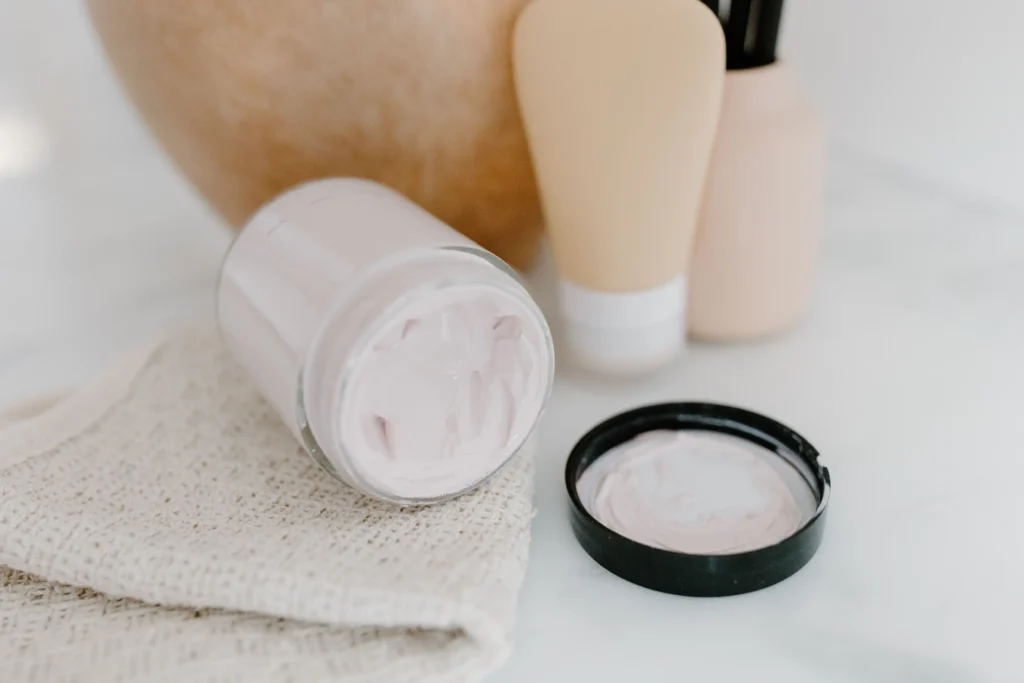
Finding the best moisturizer for acne-prone skin can feel overwhelming. Many people worry that applying moisturizer will make their skin oilier, clog pores, or trigger more breakouts. Because acne is often associated with excess oil, it’s easy to assume that skipping moisturizer is the safer option.
Fortunately, that’s one of the biggest skincare myths.
In reality, well-hydrated skin is healthier, more resilient, and often easier to manage when you’re dealing with acne. Whether you’re using benzoyl peroxide, salicylic acid, adapalene, or prescription retinoids, your skin needs adequate hydration to maintain a strong protective barrier. Without it, the skin can become dry, irritated, and inflamed—making acne treatments more difficult to tolerate.
A damaged skin barrier may also increase transepidermal water loss (TEWL), leaving your skin feeling tight while still appearing oily. As a response, your sebaceous glands may produce additional oil to compensate for dehydration, potentially contributing to clogged pores and future breakouts.
This is why dermatologists consistently recommend using a non-comedogenic moisturizer as part of a complete acne skincare routine. The right moisturizer helps restore moisture, supports the skin barrier, reduces irritation from active ingredients, and keeps your complexion balanced without feeling greasy.
Today’s moisturizers are far more advanced than older formulations. Many are specifically developed for acne-prone skin and feature lightweight textures along with dermatologist-recommended ingredients such as:
- Ceramides
- Hyaluronic acid
- Glycerin
- Niacinamide
- Panthenol
- Squalane
These ingredients work together to hydrate the skin while supporting barrier repair, calming redness, and improving overall skin comfort.
Throughout this guide, you’ll learn:
- Why moisturizer is essential for acne-prone skin
- How to identify ingredients that truly benefit acne-prone skin
- Which ingredients you may want to avoid
- How to choose a moisturizer based on your skin type
- Common moisturizing mistakes that can worsen acne
- Dermatologist-backed tips for healthier skin
- Our editor’s recommended moisturizer picks for 2026
Whether you have oily, combination, dry, or sensitive acne-prone skin, this guide will help you choose a moisturizer that supports clearer, healthier skin without compromising your acne treatment.
Related Guides
- Acne-Prone Skin Hub – Learn everything about preventing and treating acne.
- Best Face Wash for Oily Acne-Prone Skin (2026) – Build the perfect cleansing routine.
- Niacinamide: Benefits, Best Serums & How to Use It – Discover one of the best ingredients for oily, acne-prone skin.
- Skincare Ingredients Hub – Explore dermatologist-backed ingredient guides.
Quick Answer: What Is the Best Moisturizer for Acne-Prone Skin?
If you’re looking for a quick answer, here’s what matters most.
The best moisturizer for acne-prone skin is one that is lightweight, non-comedogenic, and formulated with skin barrier-supporting ingredients such as ceramides, hyaluronic acid, glycerin, and niacinamide. A good moisturizer hydrates without clogging pores while helping reduce irritation caused by acne treatments.
Instead of focusing on expensive brands or viral products, prioritize a moisturizer that matches your skin type and addresses your individual concerns.
At a Glance
| Skin Concern | Recommended Moisturizer |
|---|---|
| Oily Acne-Prone Skin | Lightweight gel or gel-cream |
| Combination Skin | Water-based lotion or gel-cream |
| Dry Acne-Prone Skin | Barrier-repair cream with ceramides |
| Sensitive Acne-Prone Skin | Fragrance-free moisturizer with soothing ingredients |
| Using Retinoids | Ceramide-rich moisturizer to reduce dryness |
Why Moisturizer Is Essential for Acne-Prone Skin
One of the most persistent skincare myths is that oily or acne-prone skin doesn’t need moisturizer. In reality, oil and hydration are completely different.
Oil (sebum) is produced by your sebaceous glands to lubricate the skin, while hydration refers to the amount of water retained within the skin. Your skin can be very oily while still being dehydrated.
When your skin lacks water, several problems may occur:
- Increased tightness after cleansing
- Flaking and peeling
- Redness
- Increased sensitivity
- Compromised skin barrier
- Greater irritation from acne treatments
To compensate for dehydration, your skin may produce even more oil. Although excess oil alone doesn’t directly cause acne, it can contribute to an environment where pores are more likely to become clogged.
A daily moisturizer helps interrupt this cycle by restoring hydration and supporting the skin’s natural defenses.
Benefits of Using a Moisturizer for Acne-Prone Skin
A well-formulated moisturizer can:
- Restore the skin barrier
- Reduce moisture loss
- Improve skin comfort
- Calm irritation
- Reduce flaking caused by acne medications
- Help skin recover more efficiently
- Improve tolerance to retinoids and exfoliating acids
- Support healthier-looking skin over time
Rather than making acne worse, the right moisturizer often helps create the conditions needed for acne treatments to work more effectively.
How Acne Treatments Can Damage the Skin Barrier
Many effective acne treatments intentionally increase skin cell turnover or reduce excess oil. While these actions help clear acne, they can also weaken the skin’s protective barrier—especially during the first few weeks of use.
Common acne treatments that may cause dryness include:
- Benzoyl peroxide
- Salicylic acid
- Adapalene
- Tretinoin
- Tazarotene
- Azelaic acid (in some people)
Common side effects include:
- Dry patches
- Peeling skin
- Tightness
- Burning sensation
- Temporary redness
- Increased sensitivity
Without adequate hydration, these side effects can become severe enough that some people stop using their acne medications altogether.
Applying a moisturizer after acne treatments helps replenish lost moisture and supports barrier recovery, making it easier to stay consistent with your routine.
Understanding the Skin Barrier
The outermost layer of your skin—called the stratum corneum—acts as your body’s first line of defense.
Think of it as a brick wall:
- Skin cells are the bricks.
- Natural lipids (including ceramides, cholesterol, and fatty acids) are the mortar.
When this barrier is healthy, it helps:
- Lock moisture into the skin
- Keep irritants out
- Reduce inflammation
- Maintain a balanced skin microbiome
- Support faster recovery
When the barrier becomes damaged, moisture escapes more easily, leaving the skin vulnerable to irritation and inflammation.
This is why dermatologists often recommend moisturizers that contain ceramides, glycerin, and hyaluronic acid to help strengthen the barrier while maintaining hydration.
What Makes the Best Moisturizer for Acne-Prone Skin?
Not every moisturizer is equally suitable for acne-prone skin. The best products provide hydration without feeling heavy or increasing the likelihood of clogged pores.
Here are the key features to look for.
1. Non-Comedogenic Formula
The term non-comedogenic means a product is formulated to reduce the likelihood of clogging pores.
While no moisturizer can guarantee it won’t cause breakouts for every individual, choosing products labeled non-comedogenic is generally a good starting point for acne-prone skin.
Keep in mind that everyone’s skin is unique. Patch testing a new product is always recommended.
2. Lightweight Texture
Heavy creams aren’t necessarily bad, but many people with acne-prone skin prefer lighter textures that absorb quickly.
Popular options include:
- Gel moisturizers
- Water-based lotions
- Gel-cream formulas
- Lightweight emulsions
- Oil-free moisturizers
These formulas typically leave less residue on the skin while still providing effective hydration.
If you’re prone to excess shine during the day, lightweight gel moisturizers often feel more comfortable under sunscreen and makeup.
3. Skin Barrier-Supporting Ingredients
Healthy skin begins with a healthy barrier.
The best moisturizers often include ingredients that replenish moisture while supporting the skin’s natural defenses.
Look for ingredients such as:
Ceramides
Ceramides are naturally occurring lipids that make up nearly half of the skin barrier.
Benefits include:
- Strengthening the skin barrier
- Preventing moisture loss
- Reducing dryness
- Supporting skin recovery
- Improving resilience during acne treatment
Ceramide-rich moisturizers are particularly beneficial if you’re using retinoids or benzoyl peroxide.
Hyaluronic Acid
Hyaluronic acid is a humectant capable of attracting water to the skin.
Benefits include:
- Lightweight hydration
- Improved skin comfort
- Smoother-looking skin
- Better moisture retention
Because it hydrates without adding oil, hyaluronic acid is suitable for nearly every skin type, including oily and acne-prone skin.
Glycerin
Glycerin is one of the most effective and well-researched moisturizing ingredients.
It works by attracting water into the outer layer of the skin, helping maintain hydration throughout the day.
Benefits include:
- Long-lasting hydration
- Lightweight feel
- Compatible with most active ingredients
- Suitable for nearly all skin types
Niacinamide
Niacinamide (Vitamin B3) is one of the most versatile skincare ingredients available.
Research suggests it may help:
- Improve skin barrier function
- Reduce excess oil
- Minimize redness
- Improve uneven skin tone
- Support healthier-looking pores
Moisturizers that combine niacinamide with ceramides are particularly popular for acne-prone skin because they address both hydration and barrier support.
Panthenol (Vitamin B5)
Panthenol is known for its soothing and skin-conditioning properties.
Benefits include:
- Calming irritation
- Supporting barrier repair
- Reducing dryness
- Improving overall skin comfort
It’s especially useful if your skin becomes irritated after using acne treatments.
Squalane
Despite its name, squalane is lightweight and generally well tolerated.
Benefits include:
- Softens the skin
- Supports barrier function
- Helps reduce moisture loss
- Provides lightweight nourishment without feeling greasy
Many modern moisturizers include plant-derived squalane to improve hydration while maintaining a lightweight texture.
4. Fragrance-Free When Possible
Fragrance isn’t inherently harmful, but it can be problematic for people with sensitive or reactive skin.
If your skin frequently experiences:
- Burning
- Redness
- Itching
- Irritation
consider choosing a fragrance-free moisturizer to minimize unnecessary exposure to potential irritants.
5. Focus on the Overall Formula
Many people believe “oil-free” automatically means better.
In reality, the overall formulation matters far more than a single marketing claim.
A moisturizer should provide:
- Effective hydration
- Comfortable texture
- Skin barrier support
- Compatibility with acne treatments
- Low risk of clogging pores
Instead of chasing trends, choose products based on evidence-backed ingredients and how your skin responds over time.
Ingredients to Avoid (or Use with Caution)
While no single ingredient causes acne for everyone, some formulations may feel too heavy or irritating depending on your skin type. Rather than focusing on one “bad” ingredient, evaluate the product as a whole and pay attention to how your skin responds after consistent use.
If you have oily or acne-prone skin, consider being cautious with products that are:
- Very thick or greasy without offering barrier-repair benefits
- Designed specifically for extremely dry or mature skin
- Rich in heavy occlusive ingredients that leave a persistent greasy film
- Highly fragranced if your skin is sensitive
- High in drying alcohols (such as Alcohol Denat.) if they leave your skin feeling tight or irritated
Remember that ingredient lists only tell part of the story. Two moisturizers can contain similar ingredients but perform very differently because of their overall formulation.
Whenever possible, introduce only one new skincare product at a time. This makes it much easier to determine whether a moisturizer works well for your skin.
Best Moisturizing Ingredients for Acne-Prone Skin
Choosing the right ingredients is often more important than choosing a specific brand. The best moisturizers combine humectants, emollients, and barrier-repair ingredients to hydrate without clogging pores.
Comparison of Beneficial Moisturizing Ingredients
| Ingredient | Main Benefit | Best For |
|---|---|---|
| Ceramides | Strengthen the skin barrier and reduce moisture loss | All skin types |
| Hyaluronic Acid | Lightweight hydration without feeling greasy | Oily & combination skin |
| Glycerin | Attracts water into the skin | All skin types |
| Niacinamide | Helps regulate excess oil and reduce redness | Oily & acne-prone skin |
| Panthenol (Vitamin B5) | Soothes irritation and supports skin repair | Sensitive skin |
| Allantoin | Calms redness and promotes skin recovery | Irritated skin |
| Squalane | Lightweight nourishment and barrier support | Dry & combination skin |
| Centella Asiatica | Helps soothe inflammation | Sensitive & acne-prone skin |
A moisturizer doesn’t need to contain every one of these ingredients. Instead, look for a balanced formula that matches your skin’s needs and complements the rest of your skincare routine.
How to Choose the Best Moisturizer Based on Your Skin Type
Not all acne-prone skin behaves the same. Understanding your skin type can help you choose a moisturizer that feels comfortable while supporting healthy skin.
Oily Acne-Prone Skin
Oily skin typically produces excess sebum throughout the day, especially around the forehead, nose, and chin.
Look for:
- Gel moisturizers
- Water-based lotions
- Oil-free formulas
- Fast-absorbing textures
Recommended ingredients:
- Hyaluronic Acid
- Niacinamide
- Glycerin
- Panthenol
Avoid choosing a moisturizer solely because it claims to be “mattifying.” Overly drying products may leave your skin dehydrated, encouraging additional oil production.
Combination Skin
Combination skin has both oily and dry areas.
Typically:
- Oily T-zone
- Normal or dry cheeks
A lightweight gel-cream or lotion usually provides enough hydration without overwhelming oilier areas.
Recommended ingredients:
- Ceramides
- Hyaluronic Acid
- Glycerin
- Niacinamide
Dry Acne-Prone Skin
Acne medications frequently leave the skin feeling:
- Tight
- Rough
- Flaky
- Sensitive
If your skin is dry, choose moisturizers containing:
- Ceramides
- Glycerin
- Panthenol
- Squalane
- Hyaluronic Acid
These ingredients help replenish moisture while strengthening the skin barrier.
Related Guide: Best Ceramide Creams for Dry Skin (2026)
Sensitive Acne-Prone Skin
Sensitive skin benefits from simpler formulations with fewer potential irritants.
Choose products that are:
- Fragrance-free
- Non-comedogenic
- Dermatologist-tested
- Suitable for sensitive skin
Look for calming ingredients including:
- Ceramides
- Panthenol
- Allantoin
- Centella Asiatica
Quick Comparison: Which Moisturizer Is Right for You?
| Skin Type | Best Texture | Recommended Ingredients |
| Oily | Gel | Niacinamide, Hyaluronic Acid |
| Combination | Gel-Cream | Ceramides, Glycerin |
| Dry | Cream | Ceramides, Squalane, Panthenol |
| Sensitive | Lotion | Allantoin, Ceramides |
| Acne Treatment Users | Barrier Cream | Ceramides, Panthenol |
This table provides a quick starting point, but remember that everyone’s skin responds differently. Patch testing is always recommended before fully incorporating a new moisturizer into your routine.
How Dermatologists Choose Moisturizers for Acne-Prone Skin
Dermatologists rarely recommend a moisturizer based solely on marketing claims or popularity. Instead, they evaluate how well a product supports the skin while minimizing irritation.
Here are the key characteristics many dermatologists look for:
1. Non-Comedogenic Formulation
A moisturizer should be formulated to reduce the likelihood of clogging pores, particularly for individuals with acne-prone skin.
2. Supports the Skin Barrier
Many acne treatments compromise the skin barrier, making barrier-supporting ingredients such as ceramides and glycerin especially valuable.
3. Appropriate Texture
A moisturizer should match your skin type.
For example:
- Gel for oily skin
- Lotion for combination skin
- Cream for dry skin
Choosing the right texture improves comfort and encourages consistent daily use.
4. Fragrance-Free for Sensitive Skin
Although fragrance isn’t harmful for everyone, dermatologists often recommend fragrance-free products for people with eczema, rosacea, or sensitive acne-prone skin.
5. Compatible with Acne Treatments
Your moisturizer should work alongside ingredients such as:
- Benzoyl peroxide
- Adapalene
- Retinoids
- Salicylic acid
- Azelaic acid
A compatible moisturizer helps reduce dryness without interfering with your acne treatment plan.
What Does the Research Say?
Scientific evidence supports the importance of moisturizing while treating acne.
According to the American Academy of Dermatology (AAD), moisturizers labeled non-comedogenic can help reduce dryness and irritation associated with acne treatments while supporting the skin’s protective barrier.
Research has also shown that maintaining a healthy skin barrier improves skin comfort and increases adherence to topical acne treatments. Patients who experience less irritation are generally more likely to continue using their prescribed medications consistently.
In addition, studies on ingredients such as ceramides, glycerin, and hyaluronic acid suggest they help reduce transepidermal water loss (TEWL), improve hydration, and strengthen the outer layer of the skin.
For these reasons, moisturizing isn’t simply about making skin feel softer—it’s an important part of an effective acne management strategy.
Editor’s Product Picks (2026)
Editorial Note: The products below were selected based on ingredient quality, formulation, reputation, and suitability for acne-prone skin. Individual results vary, and this section is intended for educational purposes. Affiliate links may be added in future updates.
1. CeraVe PM Facial Moisturizing Lotion
Best Overall
Why we like it:
- Lightweight lotion
- Non-comedogenic
- Contains ceramides
- Hyaluronic acid
- Niacinamide
- Suitable for daily use
Best for:
- Oily skin
- Combination skin
- Retinoid users
2. La Roche-Posay Toleriane Double Repair Face Moisturizer
Best for Sensitive Skin
Highlights:
- Ceramides
- Glycerin
- Niacinamide
- Fragrance-free
- Fast-absorbing
Ideal for people whose skin becomes irritated during acne treatment.
3. Vanicream Daily Facial Moisturizer
Best Minimal Formula
Why it’s recommended:
- Gentle ingredients
- Fragrance-free
- Dye-free
- Non-comedogenic
- Suitable for sensitive skin
4. Neutrogena Hydro Boost Water Gel
Best Gel Moisturizer
Pros:
- Lightweight texture
- Hyaluronic acid
- Comfortable under sunscreen
- Refreshing finish
Suitable for oily skin that prefers a water-gel formula.
5. COSRX Oil-Free Ultra-Moisturizing Lotion
Best K-Beauty Option
Key features:
- Lightweight lotion
- Fast absorption
- Suitable for oily and combination skin
- Layers well with acne treatments
Morning vs. Night Moisturizer: Do You Need Two?
Many people wonder whether one moisturizer is enough or if separate products are necessary.
The answer depends on your skin type and skincare routine.
Morning Moisturizer
During the day, your moisturizer should be:
- Lightweight
- Fast-absorbing
- Comfortable beneath sunscreen
- Non-greasy
Always finish your morning routine with a broad-spectrum sunscreen (SPF 30 or higher) to protect your skin from UV damage and help reduce the appearance of post-acne marks.
Related Guides:
Night Moisturizer
At night, your skin naturally focuses on repair and recovery.
If you’re using retinoids, benzoyl peroxide, or exfoliating acids, you may benefit from a slightly richer moisturizer that provides additional hydration and supports barrier repair.
The goal isn’t to use the thickest cream available—it’s to choose a moisturizer that keeps your skin comfortable without feeling heavy or clogging pores.
For many people, using the same moisturizer both morning and night works perfectly well. Others may prefer a lightweight gel during the day and a more nourishing cream in the evening, especially if they’re using prescription acne treatments.
How to Build the Perfect Moisturizing Routine for Acne-Prone Skin
Choosing the right moisturizer is only part of the equation. Applying it correctly—and consistently—can make a significant difference in how your skin responds to acne treatments.
A simple routine is often more effective than using too many products at once. Focus on the essentials and introduce new products gradually.
Morning Routine
Step 1: Cleanse
Wash your face with a gentle cleanser formulated for your skin type. Avoid harsh scrubs, which may damage the skin barrier and increase irritation.
Related Guide: Best Face Wash for Oily Acne-Prone Skin (2026)
Step 2: Apply Treatment or Serum (Optional)
If desired, use a lightweight serum containing ingredients such as:
- Niacinamide
- Hyaluronic Acid
- Vitamin C (for post-acne marks)
Avoid layering too many active ingredients unless your skin tolerates them well.
Step 3: Apply Moisturizer
Use a lightweight, non-comedogenic moisturizer to lock in hydration and support your skin barrier.
Apply it evenly over your face and neck.
Step 4: Finish with Sunscreen
Never skip sunscreen.
Daily UV protection helps prevent:
- Dark acne marks (Post-Inflammatory Hyperpigmentation)
- Premature skin aging
- Skin barrier damage
Choose a broad-spectrum sunscreen with SPF 30 or higher.
Related Guides
Evening Routine
Step 1: Cleanse Thoroughly
Remove sunscreen, makeup, and excess oil using a gentle cleanser.
Step 2: Apply Acne Treatment
Examples include:
- Benzoyl Peroxide
- Adapalene
- Retinoids
- Salicylic Acid
- Azelaic Acid
Use these products according to the directions provided by your dermatologist or product manufacturer.
Step 3: Moisturize
Apply your moisturizer after treatment (or as directed for your specific medication).
This helps:
- Reduce dryness
- Minimize irritation
- Improve comfort
- Support overnight skin repair
Consistency is more important than using multiple expensive products.
Common Moisturizing Mistakes That Can Make Acne Worse
Even an excellent moisturizer may not deliver the desired results if it’s used incorrectly.
1. Skipping Moisturizer Because Your Skin Is Oily
This is one of the most common skincare myths.
Oily skin still needs hydration. Without it, dehydration may contribute to increased oil production and skin discomfort.
2. Applying Too Much Product
Using a thick layer doesn’t provide extra benefits.
For most moisturizers, a pea-sized to almond-sized amount is sufficient for the entire face.
3. Choosing Products Based Only on Social Media Trends
A product that works well for someone else may not be ideal for your skin.
Instead, consider:
- Your skin type
- Ingredient list
- Texture
- Dermatologist recommendations
- Personal experience
4. Introducing Too Many Products at Once
If you change your cleanser, serum, moisturizer, and sunscreen simultaneously, it becomes difficult to determine which product is causing irritation or breakouts.
Introduce one new product every one to two weeks whenever possible.
5. Ignoring Your Skin Barrier
Many people focus only on treating acne.
Healthy skin requires:
- Adequate hydration
- Barrier repair
- Consistent skincare habits
Supporting your skin barrier helps improve overall skin comfort and makes acne treatments easier to tolerate.
Common Myths About Moisturizers and Acne
Let’s clear up some common misconceptions.
Myth: Moisturizer Causes Acne
Fact: A well-formulated, non-comedogenic moisturizer is unlikely to clog pores and may actually support acne treatment by reducing irritation and improving skin barrier function.
Myth: Oily Skin Doesn’t Need Moisturizer
Fact: Oil and hydration are different. Even oily skin benefits from appropriate hydration.
Myth: Expensive Moisturizers Always Work Better
Fact: Price doesn’t determine effectiveness. Ingredient quality, formulation, and compatibility with your skin are far more important.
Myth: Natural Ingredients Are Always Safer
Fact: Natural ingredients can still trigger irritation or allergic reactions. Always patch test new skincare products before regular use.
Signs Your Moisturizer May Not Be Right for Your Skin
Every person’s skin responds differently. If you notice any of the following after introducing a new moisturizer, it may not be the best match for your skin:
- Persistent breakouts
- New clogged pores
- Excessive greasiness
- Burning or stinging
- Increased redness
- Itching
- Peeling that worsens over time
If irritation continues, discontinue use and consult a dermatologist for personalized advice.
Frequently Asked Questions
Can moisturizer make acne worse?
A properly formulated, non-comedogenic moisturizer is unlikely to worsen acne. In fact, many moisturizers help reduce irritation caused by acne treatments and support a healthier skin barrier.
Should oily skin use moisturizer every day?
Yes. Oily skin still requires hydration. Choosing a lightweight gel or water-based moisturizer can help maintain skin balance without feeling greasy.
Can I use moisturizer after benzoyl peroxide?
Yes. Applying moisturizer after benzoyl peroxide can help reduce dryness and irritation while improving comfort.
Is gel moisturizer better than cream?
Not necessarily. Gel moisturizers are often preferred for oily skin, while creams may be more suitable for dry or dehydrated acne-prone skin.
Can I use moisturizer with retinol?
Absolutely. Dermatologists frequently recommend using moisturizer alongside retinoids to reduce dryness and improve skin tolerance.
How often should I moisturize?
Most people benefit from moisturizing twice daily—once in the morning and again at night.
Can teenagers with acne use moisturizer?
Yes. Teenagers with acne should use a gentle, non-comedogenic moisturizer as part of a simple daily skincare routine.
What ingredients should I look for in a moisturizer?
Some of the most beneficial ingredients include:
- Ceramides
- Hyaluronic Acid
- Glycerin
- Niacinamide
- Panthenol
- Allantoin
These ingredients help hydrate the skin while supporting the skin barrier.
Final Thoughts
Using the best moisturizer for acne-prone skin isn’t about finding the most expensive product—it’s about choosing a formula that supports your skin’s natural barrier while fitting your individual skin type and routine.
A lightweight, non-comedogenic moisturizer with ingredients such as ceramides, glycerin, hyaluronic acid, and niacinamide can help maintain hydration without clogging pores. When paired with a gentle cleanser, targeted acne treatments, and daily sunscreen, moisturizing becomes an essential part of achieving healthier, more resilient skin.
Remember that skincare is highly individual. A product that works well for someone else may not be the perfect fit for you. Introduce new products gradually, monitor how your skin responds, and prioritize consistency over complicated routines.
Healthy skin isn’t achieved overnight, but small, consistent habits can make a meaningful difference over time.
Continue Building Your Acne Skincare Routine
If you found this guide helpful, explore these related resources on BestGlowCare:
- Acne-Prone Skin Hub – A complete collection of acne care guides and routines.
- Best Face Wash for Oily Acne-Prone Skin (2026) – Learn how to choose the right cleanser.
- Best Sunscreen for Oily Skin (2026) – Daily UV protection without a greasy finish.
- Best Sunscreen for Sensitive Skin (2026) – Gentle sunscreen recommendations.
- Mineral vs Chemical Sunscreen: Which One Is Better? – Compare sunscreen types.
- Niacinamide: Benefits, Best Serums & How to Use It – Discover one of the most effective ingredients for oily and acne-prone skin.
- Retinol Guide – Learn how to use retinoids safely.
- Salicylic Acid Guide – Understand one of the most popular acne-fighting ingredients.
- Skincare Ingredients Hub – Explore dermatologist-backed ingredient guides.
- Best Moisturizers – Compare moisturizers for different skin types and concerns.
By understanding your skin’s needs and choosing products based on science rather than trends, you’ll be better equipped to build a skincare routine that supports clearer, healthier skin for years to come.
References
The information in this guide is based on recommendations and educational resources from trusted dermatology organizations and peer-reviewed research.
- American Academy of Dermatology (AAD): Acne treatment and skincare recommendations.
- National Institutes of Health (NIH): Research on skin barrier function and moisturizers.
- Journal of Clinical and Aesthetic Dermatology (JCAD): Studies on acne management and barrier repair.
- American Academy of Dermatology Association: Guidance on non-comedogenic skincare products.
Medical Disclaimer: This article is for educational purposes only and should not be considered medical advice. If you have severe, persistent, or painful acne, or experience significant irritation from skincare products, consult a board-certified dermatologist for personalized evaluation and treatment.