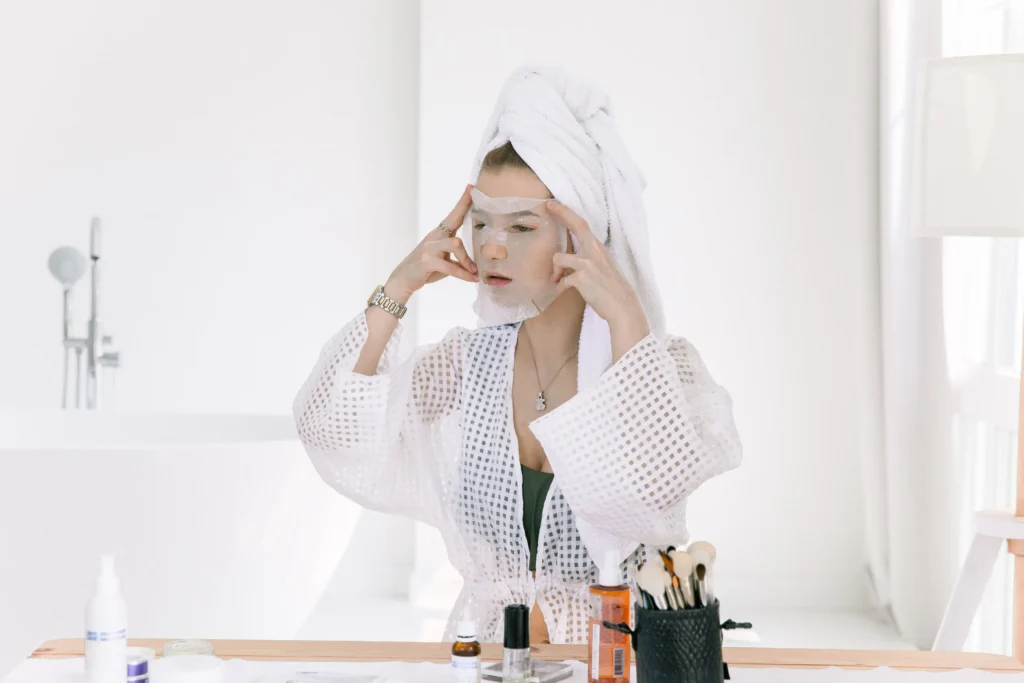
Learn the essential skincare steps, product order, and beginner-friendly routine for healthier-looking skin.
Starting a skincare routine can feel overwhelming. With countless cleansers, serums, moisturizers, sunscreens, and active ingredients available, it’s easy to wonder where to begin. The good news is that an effective skincare routine doesn’t have to be complicated. In fact, many dermatologists recommend keeping your routine simple when you’re just getting started.
A beginner skincare routine should focus on building healthy habits rather than using as many products as possible. Cleansing your skin gently, keeping it hydrated, and protecting it from the sun every day form the foundation of almost every skincare routine. Once these basics become part of your daily routine, you can gradually introduce targeted treatments if needed.
Whether your goal is preventing breakouts, reducing dryness, controlling excess oil, or simply maintaining healthier-looking skin, this guide will help you understand the essential skincare steps, choose the right products for your skin type, and avoid common beginner mistakes.
What Is a Beginner Skincare Routine?
A beginner skincare routine is a simple daily regimen designed to cleanse, moisturize, and protect your skin without overwhelming it with unnecessary products or active ingredients.
Many people assume they need a 10-step skincare routine to achieve healthy skin. However, for most beginners, a routine with just a few carefully selected products is often more effective and easier to maintain.
The primary goals of a beginner skincare routine are to:
- Remove dirt, excess oil, and daily impurities.
- Support a healthy skin barrier.
- Maintain hydration.
- Protect the skin from ultraviolet (UV) damage.
- Establish a consistent daily habit.
As your skin becomes accustomed to a basic routine, you can gradually add products that address specific concerns such as acne, hyperpigmentation, or signs of aging.
Why Simplicity Is Better for Beginners
One of the most common skincare mistakes is buying too many products at once. Introducing several new products simultaneously makes it difficult to know which one is helping—or causing irritation.
A simple routine offers several advantages:
- Easier to follow consistently.
- Lower risk of irritation.
- More affordable.
- Better understanding of how your skin responds to individual products.
- Stronger foundation before adding advanced treatments.
Consistency is often more important than complexity. Following a simple routine every day generally produces better long-term results than using many products inconsistently.

The Four Essential Skincare Products Every Beginner Needs
Most beginners only need four core products to build an effective daily skincare routine.
1. Gentle Cleanser
Cleansing removes excess oil, sweat, sunscreen, makeup, and environmental impurities that accumulate throughout the day.
Choose a cleanser that matches your skin type:
- Dry Skin: Cream or hydrating cleanser.
- Oily Skin: Gel or foaming cleanser.
- Combination Skin: Gentle gel cleanser.
- Sensitive Skin: Fragrance-free, non-stripping cleanser.
Avoid cleansers that leave your skin feeling tight or overly dry, as these may disrupt the skin’s natural moisture barrier.
2. Moisturizer
Moisturizer helps replenish hydration, strengthen the skin barrier, and reduce water loss.
Even oily skin benefits from moisturizing. Skipping moisturizer may actually lead to increased oil production as the skin attempts to compensate for lost moisture.
Look for ingredients such as:
- Ceramides
- Hyaluronic Acid
- Glycerin
- Squalane
These ingredients help support long-lasting hydration while maintaining a healthy skin barrier.
3. Sunscreen
Daily sunscreen is one of the most important steps in any skincare routine.
Broad-spectrum sunscreen helps protect the skin from UVA and UVB rays, which contribute to premature skin aging and increase the risk of sun damage.
Choose:
- SPF 30 or higher.
- Broad-spectrum protection.
- A texture suitable for your skin type.
Apply sunscreen every morning as the final step in your skincare routine, even on cloudy days or when spending most of your time indoors near windows.
4. One Treatment Product (Optional)
After following a basic skincare routine consistently for several weeks, you may choose to introduce one treatment product to address a specific concern.
Examples include:
| Skin Concern | Beginner-Friendly Ingredient |
|---|---|
| Excess Oil | Niacinamide |
| Acne | Salicylic Acid |
| Dryness | Hyaluronic Acid |
| Dullness | Vitamin C |
| Early Signs of Aging | Retinol (begin slowly) |
Only introduce one new active ingredient at a time and allow your skin several weeks to adjust before adding another.
Beginner Morning Skincare Routine
Morning skincare focuses on protecting your skin from environmental stressors while maintaining hydration throughout the day.
A simple morning routine typically includes five steps.
Step 1: Cleanse
Wash your face using a gentle cleanser suitable for your skin type. If your skin feels clean and comfortable in the morning, some people with dry or sensitive skin may choose to rinse with water instead of using cleanser.
Step 2: Apply a Serum (Optional)
A lightweight serum can provide additional hydration or target specific skin concerns.
Popular beginner-friendly serums include:
- Hyaluronic Acid for hydration.
- Niacinamide for oil balance.
- Vitamin C for antioxidant protection.
If you’re new to skincare, using a serum is optional. A cleanser, moisturizer, and sunscreen can still form an effective morning routine.
Step 3: Moisturize
Apply a moisturizer to help maintain hydration and support your skin barrier throughout the day.
Choose a lightweight gel moisturizer for oily skin or a richer cream if your skin tends to be dry.
Step 4: Sunscreen
Finish your morning routine with a broad-spectrum sunscreen rated SPF 30 or higher.
Remember that sunscreen should always be the last skincare product applied before makeup.
Using sunscreen consistently is one of the most effective ways to help maintain healthy-looking skin over time.
Morning Routine at a Glance
- Gentle Cleanser
- Serum (Optional)
- Moisturizer
- Broad-Spectrum Sunscreen (SPF 30+)
A simple routine like this is often all beginners need to establish healthy skincare habits before introducing more advanced products.
Related articles that can increase your knowledge:
Hub Pages
Guides Skincare Basics
Guides Skincare Routines
Skincare Ingredients
Best Moisturizers
Best Sunscreens
Best Face Washes
Ingredients
Niacinamide Guide
Retinol Guide
Vitamin C Guide
Hyaluronic Acid Guide
Salicylic Acid Guide
Ceramide Guide
Skin Concern
Acne-Prone Skin
Dry Skin
Sensitive Skin
Oily Skin
Beginner Night Skincare Routine
While your morning routine focuses on protection, your nighttime routine is all about cleansing, hydration, and supporting your skin’s natural overnight renewal process.
Unlike the morning, there’s no need to apply sunscreen before bed. Instead, your evening routine can include treatment products that target concerns such as acne, uneven skin tone, or fine lines.
For beginners, keeping your evening routine simple is still the best approach.
Step 1: Cleanse Your Skin
Start by removing sunscreen, makeup, excess oil, and daily impurities.
If you wear heavy makeup or water-resistant sunscreen, consider double cleansing:
- Oil-based cleanser (first cleanse)
- Gentle water-based cleanser (second cleanse)
If you don’t wear makeup, a single gentle cleanser is usually sufficient.
Step 2: Apply a Treatment Product (Optional)
Treatment products should only be introduced after your skin has adjusted to a basic routine.
Choose one active ingredient based on your primary concern.
Examples include:
| Skin Concern | Recommended Ingredient |
|---|---|
| Acne | Salicylic Acid |
| Excess Oil | Niacinamide |
| Dryness | Hyaluronic Acid |
| Uneven Skin Tone | Vitamin C (usually morning) |
| Fine Lines | Retinol |
Avoid combining several active ingredients at the same time when you’re just starting.
Step 3: Moisturize
Nighttime is an ideal opportunity to replenish moisture and support the skin barrier.
Choose a moisturizer that matches your skin type.
Many evening moisturizers include ingredients such as:
- Ceramides
- Glycerin
- Squalane
- Panthenol
- Hyaluronic Acid
These ingredients help reduce moisture loss while supporting overnight skin recovery.
Night Routine at a Glance
- Cleanser
- Treatment Product (Optional)
- Moisturizer
As your skin becomes more comfortable with your routine, you can gradually introduce additional products if needed—but simplicity should remain your priority.

Weekly Skincare Routine for Beginners
Not every skincare product needs to be used every day.
Some treatments work best when applied only once or a few times each week.
A simple weekly routine may include:
Exfoliation
Chemical exfoliants such as AHAs or BHAs help remove dead skin cells and improve skin texture.
General guideline:
- Oily skin: 2–3 times per week
- Dry skin: 1–2 times per week
- Sensitive skin: Once per week or less, depending on tolerance
Over-exfoliating can weaken the skin barrier and increase irritation.
Hydrating Mask (Optional)
Hydrating sheet masks or cream masks can provide additional moisture, especially if your skin feels dry or dehydrated.
While not essential, they can be a relaxing addition to your skincare routine.
Review Your Skin
Once a week, take a moment to assess how your skin is responding.
Ask yourself:
- Is my skin becoming less irritated?
- Am I experiencing excessive dryness?
- Are breakouts improving?
- Do I need to reduce or increase the frequency of any products?
Tracking changes can help you adjust your routine more effectively over time.
How to Choose Products Based on Your Skin Type
One of the biggest factors in building an effective skincare routine is selecting products that suit your skin type.
Dry Skin
Dry skin often benefits from richer, more moisturizing products.
Look for:
- Cream cleansers
- Ceramide moisturizers
- Hyaluronic Acid
- Glycerin
- Squalane
Avoid harsh cleansers containing high levels of alcohol or strong surfactants.
Oily Skin
Oily skin still needs hydration.
Choose lightweight products such as:
- Gel cleansers
- Oil-free moisturizers
- Niacinamide serums
- Lightweight sunscreen
Avoid over-cleansing, as removing too much oil may encourage your skin to produce even more.
Combination Skin
Combination skin requires balancing different areas of the face.
Many people find success using:
- Gentle gel cleansers
- Lightweight moisturizers
- Hydrating serums
- Targeted treatments only where needed
Sensitive Skin
Sensitive skin generally responds best to minimal routines.
Look for products that are:
- Fragrance-free
- Alcohol-free (where appropriate)
- Dermatologist tested
- Barrier-supporting
Introduce only one new product every two to three weeks so you can monitor your skin’s response.

Common Beginner Skincare Mistakes
Even a simple routine can become less effective if common mistakes are overlooked.
Using Too Many Products
Adding multiple new products at once makes it difficult to identify which product is helping—or causing irritation.
Start with the basics before expanding your routine.
Skipping Sunscreen
Many people focus on serums and treatments while forgetting daily sun protection.
Without sunscreen, UV exposure can reduce the benefits of many skincare products and contribute to premature skin aging.
Expecting Immediate Results
Most skincare products require consistent use over several weeks before noticeable improvements appear.
Patience is an important part of any skincare routine.
Over-Exfoliating
Using exfoliating acids too frequently can damage the skin barrier and lead to redness, dryness, or increased sensitivity.
Less is often more.
Changing Products Too Quickly
Constantly switching products may prevent your skin from adapting and make it difficult to evaluate results.
Try to give most products at least several weeks before deciding whether they’re working.
Ignoring Your Skin Barrier
A healthy skin barrier helps keep moisture in and irritants out.
If your skin becomes persistently red, tight, flaky, or uncomfortable, simplify your routine and focus on hydration before introducing additional active ingredients.
How Long Does It Take to See Results?
Many beginners become discouraged when they don’t see immediate improvements.
In reality, skincare requires consistency and realistic expectations.
Although results vary from person to person, general timelines include:
| Product Type | Typical Time Frame |
| Cleanser | Immediate cleansing benefits |
| Moisturizer | Several days to two weeks |
| Sunscreen | Immediate UV protection |
| Niacinamide | Around 4–8 weeks |
| Vitamin C | Around 6–12 weeks |
| Retinol | Around 8–12 weeks or longer |
Rather than looking for overnight transformations, focus on building habits that support healthier-looking skin over time.
A simple routine followed consistently is often more effective than an advanced routine used only occasionally.
Beginner Skincare Routine by Skin Type
Every person’s skin is unique, which means the best skincare routine depends on your individual skin type and concerns. While the basic steps remain the same, choosing products that suit your skin can make your routine more effective and comfortable.
Use these beginner-friendly routines as a starting point and adjust them gradually as you learn how your skin responds.
Beginner Routine for Dry Skin
Dry skin often lacks moisture and may feel tight, rough, or flaky. The goal is to keep the skin hydrated while strengthening its natural moisture barrier.
Morning
- Hydrating Cream Cleanser
- Hyaluronic Acid Serum (Optional)
- Ceramide Moisturizer
- Broad-Spectrum Sunscreen SPF 30+
Evening
- Gentle Cleanser
- Hydrating Serum (Optional)
- Rich Moisturizer
Helpful Ingredients
- Ceramides
- Hyaluronic Acid
- Glycerin
- Squalane
- Panthenol
Beginner Routine for Oily Skin
Oily skin produces excess sebum but still requires hydration. The objective is to balance oil production without stripping away the skin’s natural moisture.
Morning
- Gentle Gel Cleanser
- Niacinamide Serum (Optional)
- Lightweight Gel Moisturizer
- Oil-Free Sunscreen SPF 30+
Evening
- Gentle Cleanser
- Salicylic Acid (2–3 nights per week)
- Lightweight Moisturizer
Helpful Ingredients
- Niacinamide
- Salicylic Acid
- Hyaluronic Acid
- Zinc PCA
Beginner Routine for Combination Skin
Combination skin typically has an oily T-zone with drier cheeks. A balanced routine works best for most people.
Morning
- Gentle Cleanser
- Lightweight Hydrating Serum (Optional)
- Lightweight Moisturizer
- Sunscreen SPF 30+
Evening
- Gentle Cleanser
- Treatment Product (Optional)
- Moisturizer
You may also choose to apply richer moisturizers only to drier areas of your face if needed.
Beginner Routine for Sensitive Skin
Sensitive skin benefits from simple routines with fewer products and minimal active ingredients.
Morning
- Gentle Fragrance-Free Cleanser
- Barrier-Supporting Moisturizer
- Mineral or Gentle Sunscreen SPF 30+
Evening
- Gentle Cleanser
- Moisturizer
When introducing a new product, patch test first and wait two to three weeks before adding another active ingredient.
Helpful Ingredients
- Ceramides
- Colloidal Oatmeal
- Panthenol
- Centella Asiatica
Beginner Routine for Acne-Prone Skin
Acne-prone skin requires a routine that helps manage excess oil and clogged pores while protecting the skin barrier.
Morning
- Gentle Cleanser
- Niacinamide Serum (Optional)
- Oil-Free Moisturizer
- Non-Comedogenic Sunscreen SPF 30+
Evening
- Gentle Cleanser
- Salicylic Acid (2–3 nights per week)
- Moisturizer
Avoid using multiple acne treatments at the same time when you’re first starting, as this may increase dryness or irritation.
Tips for Long-Term Success
Healthy skin isn’t achieved overnight. Building a skincare routine is about creating consistent habits that support your skin over time.
Keep these practical tips in mind:
- Start with the essentials before buying additional products.
- Introduce only one new product at a time.
- Wear sunscreen every morning.
- Moisturize consistently, even if your skin is oily.
- Be patient and allow products enough time to work.
- Pay attention to how your skin responds and adjust your routine gradually.
- Remember that consistency usually delivers better results than using many products inconsistently.
The simplest routine is often the easiest to maintain—and the one most likely to become part of your daily lifestyle.
Final Thoughts
Building your first skincare routine doesn’t need to be confusing or expensive. A simple routine centered around cleansing, moisturizing, and daily sun protection provides a strong foundation for healthier-looking skin.
Once these habits become part of your daily routine, you can gradually introduce targeted ingredients such as niacinamide, hyaluronic acid, vitamin C, or retinol based on your skin’s needs.
Rather than chasing the latest skincare trends, focus on choosing products that suit your skin type and using them consistently. Small improvements made every day often lead to the most noticeable long-term results.
Remember that skincare is a personal journey. What works well for someone else may not be the best choice for you. Learning how your skin responds—and making gradual adjustments along the way—is one of the most effective ways to build a routine you’ll enjoy and maintain.
Continue Your Skincare Journey
Ready to take the next step? Explore our beginner-friendly skincare guides to deepen your understanding of ingredients, routines, and product recommendations.
You may also find these guides helpful:
- Skincare Routines
- Skincare Basics
- Skincare Dictionary
- Guides
- Skincare Ingredients Explained
- Best Moisturizers
- Best Sunscreens
- Best Face Washes
- Best Retinol Serums
- Best Vitamin C Serums
- Best Niacinamide Serums
Whether you’re building your very first skincare routine or refining an existing one, BestGlowCare is here to help you make informed skincare decisions with practical guides, evidence-informed advice, and easy-to-understand product recommendations.
Frequently Asked Questions
What is the best beginner skincare routine?
A simple skincare routine that includes a gentle cleanser, moisturizer, and broad-spectrum sunscreen is the best place to start. Once your skin adjusts, you can gradually introduce one treatment product such as niacinamide, hyaluronic acid, or retinol based on your skincare goals.
Do beginners really need a serum?
No. A serum is optional for beginners. Many people can maintain healthy-looking skin using only a cleanser, moisturizer, and sunscreen. Serums become helpful when you want to target concerns such as dehydration, acne, or uneven skin tone.
How many skincare products should beginners use?
Most beginners only need three to four products:
- Gentle cleanser
- Moisturizer
- Sunscreen
- One treatment product (optional)
Adding too many products at once may increase irritation and make it harder to identify which products work well for your skin.
What is the correct order to apply skincare products?
A simple skincare routine generally follows this order:
Morning
- Cleanser
- Serum (optional)
- Moisturizer
- Sunscreen
Evening
- Cleanser
- Treatment Product (optional)
- Moisturizer
Products are typically applied from the lightest texture to the heaviest.

Should I use sunscreen every day?
Yes. Daily sunscreen is widely recommended to help protect the skin from UVA and UVB rays, reduce the appearance of premature skin aging, and support the effectiveness of your overall skincare routine.
Choose a broad-spectrum sunscreen with SPF 30 or higher and apply it every morning as the final step of your routine.
How long does it take for skincare products to work?
Results depend on the product and your skin concern.
Typical timelines include:
- Moisturizer: A few days to two weeks
- Niacinamide: Around 4–8 weeks
- Vitamin C: Around 6–12 weeks
- Retinol: Around 8–12 weeks or longer
Consistency is usually more important than using many products.
Can I use retinol as a beginner?
Yes, but introduce retinol gradually.
Many beginners start by applying it one or two nights per week before slowly increasing frequency if their skin tolerates it well.
Using moisturizer and sunscreen consistently can also help reduce irritation associated with retinol.
Is a 10-step skincare routine necessary?
No.
Although multi-step routines are popular in some skincare trends, most people can maintain healthy-looking skin with a much simpler routine.
A consistent routine with a cleanser, moisturizer, sunscreen, and one targeted treatment often provides excellent long-term results.
What should I avoid when starting a skincare routine?
Common beginner mistakes include:
- Buying too many products at once.
- Using multiple active ingredients together.
- Skipping sunscreen.
- Over-exfoliating.
- Expecting immediate results.
- Frequently switching products.
Starting slowly allows your skin time to adjust and helps you identify which products are most effective.
Can beginners use active ingredients together?
Some active ingredients work well together, while others may increase the risk of irritation when combined.
If you’re new to skincare, introduce only one active ingredient at a time and monitor your skin’s response for several weeks before adding another product.
This gradual approach makes it easier to build a routine that suits your skin.
Conclusion
A beginner skincare routine doesn’t need to be complicated to be effective. The most successful routines are built on consistency, patience, and products that match your skin type.
By focusing on the essentials—cleansing, moisturizing, and daily sun protection—you create a strong foundation that supports healthier-looking skin over time. As your skin becomes more comfortable with your routine, you can gradually introduce targeted ingredients to address concerns such as acne, dryness, uneven skin tone, or early signs of aging.
Remember that skincare is a long-term investment rather than a quick fix. Small, consistent habits often deliver better results than complicated routines that are difficult to maintain.
As you continue learning about skincare, explore our ingredient guides, product recommendations, and skincare routine articles to build a routine that fits your unique skin goals.
Related References such as:
American Academy of Dermatology (AAD) for basic skincare and sunscreen guidelines.
National Institutes of Health (NIH) for scientific information on active skincare ingredients.
U.S. Food and Drug Administration (FDA) for information on sunscreen.