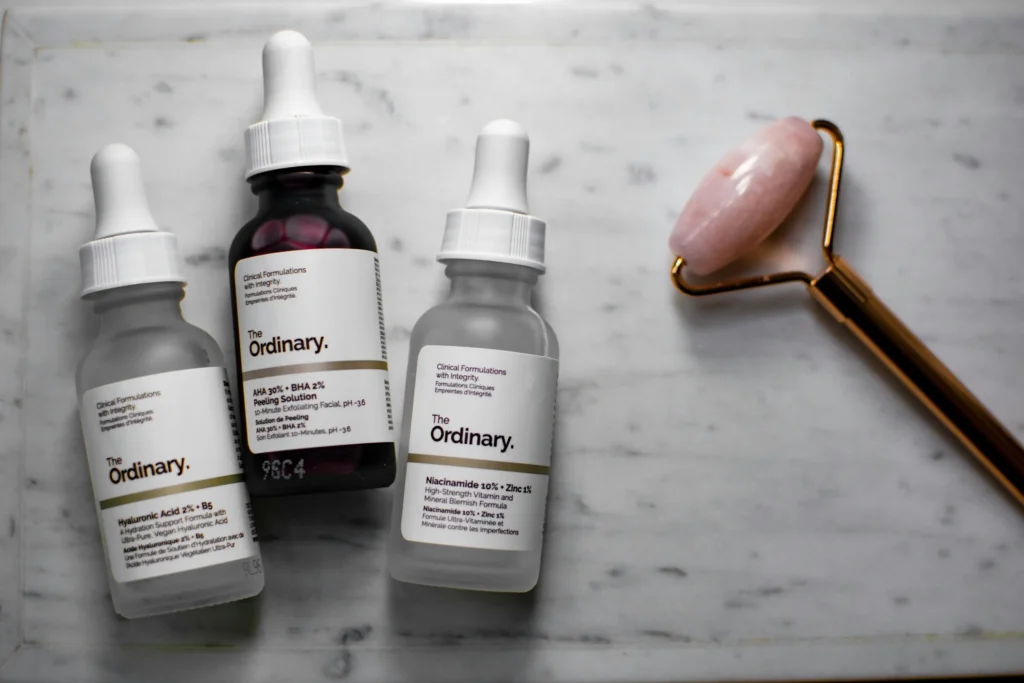
Introduction
Applying high-quality skincare products is important—but using them in the correct order is just as essential. Even the most effective serum or moisturizer may not deliver its full benefits if it’s layered incorrectly.
Many beginners wonder:
- Should serum come before moisturizer?
- When should sunscreen be applied?
- Can retinol and vitamin C be used together?
- Which products should go on first?
The answer lies in understanding how different skincare products are formulated. Lightweight, water-based products should generally be applied before thicker creams and oils. This simple principle helps active ingredients penetrate the skin more effectively while creating a protective barrier that locks in hydration.
Whether your goal is preventing acne, reducing signs of aging, improving skin hydration, or maintaining healthy skin, following the proper skincare routine order can make a noticeable difference over time.
In this comprehensive guide, you’ll learn the correct order to apply skincare products for both morning and evening routines, discover common layering mistakes to avoid, and get practical tips for building a routine that suits your skin type.
Quick Answer
What Is the Correct Order to Apply Skincare Products?
As a general rule, apply skincare products from the thinnest consistency to the thickest consistency.
Morning Routine
- Cleanser
- Toner (optional)
- Essence (optional)
- Vitamin C Serum or Treatment Serum
- Eye Cream (optional)
- Moisturizer
- Sunscreen (SPF 30 or higher)
Night Routine
- Makeup Remover / Cleansing Oil (if needed)
- Cleanser
- Toner (optional)
- Treatment Serum (Retinol, Niacinamide, etc.)
- Eye Cream (optional)
- Moisturizer
- Facial Oil (optional)
Following this sequence allows each product to absorb properly and helps maximize the effectiveness of active ingredients.
Key Takeaways
✅ Apply products from the thinnest to the thickest texture.
✅ Sunscreen should always be the last step of your morning skincare routine.
✅ Retinol is best used at night, while vitamin C is commonly used in the morning.
✅ Allow each layer to absorb for around 30–60 seconds before applying the next product.
✅ Avoid using too many active ingredients together if your skin is sensitive.
✅ A simple routine performed consistently is usually more effective than using too many products at once.
Table of Contents
- Why the Order of Skincare Products Matters
- The Golden Rule: Apply from Thinnest to Thickest
- Complete Correct Order to Apply Skincare Products
- Morning Skincare Routine Order
- Night Skincare Routine Order
- How to Layer Active Ingredients
- Common Skincare Layering Mistakes
- Skincare Order by Skin Type
- Frequently Asked Questions
- Final Thoughts
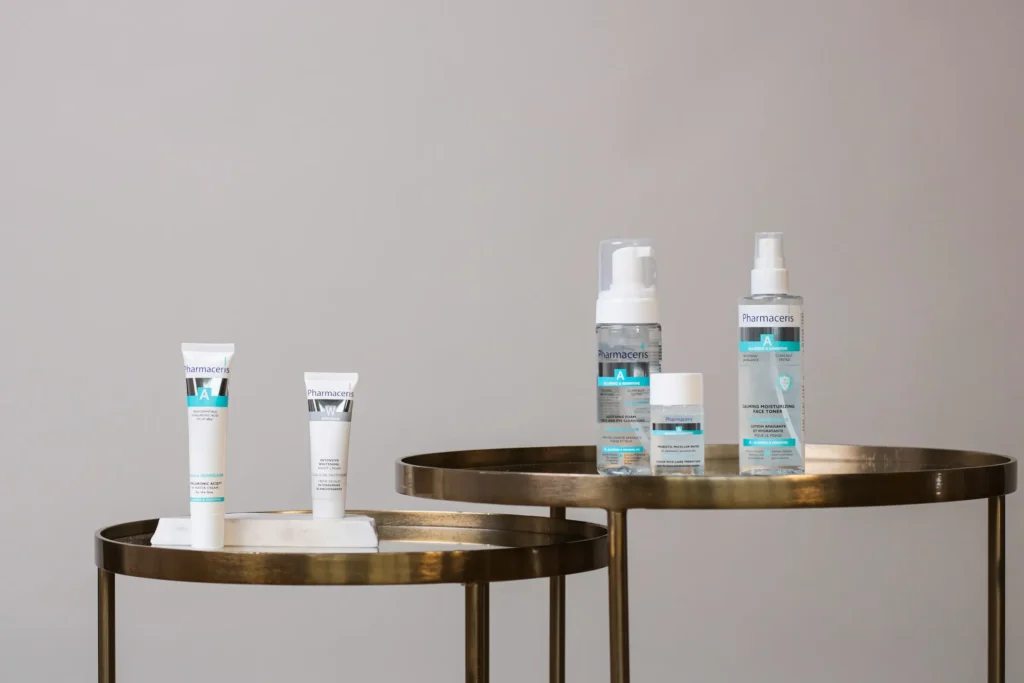
Why the Order of Skincare Products Matters
Many people invest in premium skincare products but overlook one important factor—the order in which those products are applied.
Applying skincare in the correct sequence helps each product absorb properly and perform as intended. If products are layered incorrectly, thicker formulas can block lighter, water-based products from reaching the skin effectively.
For example, applying a rich moisturizer before a vitamin C serum may reduce the serum’s ability to penetrate the skin. Likewise, applying sunscreen before moisturizer can compromise its protective film, reducing UV protection.
Dermatologists generally recommend applying products from the lightest consistency to the heaviest. This allows active ingredients to reach the skin first while heavier products help seal in hydration and strengthen the skin barrier.
Using the correct skincare order can help:
- Improve absorption of active ingredients
- Increase product effectiveness
- Reduce product waste
- Support a healthier skin barrier
- Minimize irritation caused by incorrect layering
- Create a consistent skincare routine that is easier to maintain
Remember, expensive skincare products alone do not guarantee better results. Proper application and consistency are equally important.
The Golden Rule: Apply Products from Thinnest to Thickest
If you only remember one skincare rule, make it this one:
Apply products from the thinnest texture to the thickest texture.
Water-based products are designed to absorb quickly into the skin, while thicker creams and oils create a protective layer that helps prevent moisture loss.
A simple layering order looks like this:
Water-Based Products
↓
Hydrating Toners
↓
Essences
↓
Treatment Serums
↓
Gel Moisturizers
↓
Cream Moisturizers
↓
Facial Oils
↓
Sunscreen (Morning Only)
Think of skincare as getting dressed in layers. You wouldn’t wear a winter coat before putting on your shirt. The same logic applies to skincare products.
Complete Correct Order to Apply Skincare Products
The following routine works well for most skin types, including normal, combination, oily, and dry skin.
| Step | Product | Morning | Night | Purpose |
|---|---|---|---|---|
| 1 | Cleanser | ✅ | ✅ | Remove dirt and oil |
| 2 | Toner (Optional) | ✅ | ✅ | Hydrate and prepare skin |
| 3 | Essence (Optional) | ✅ | ✅ | Add lightweight hydration |
| 4 | Treatment Serum | ✅ | ✅ | Deliver active ingredients |
| 5 | Eye Cream | Optional | Optional | Hydrate eye area |
| 6 | Moisturizer | ✅ | ✅ | Lock in moisture |
| 7 | Facial Oil | Optional | Optional | Seal hydration |
| 8 | Sunscreen SPF 30+ | ✅ | ❌ | Protect against UV rays |
Although this sequence is suitable for most routines, your skincare products may vary depending on your skin concerns and treatment goals.
Step 1 — Cleanser
Cleansing removes excess oil, dirt, sweat, makeup, and sunscreen residue that accumulate throughout the day.
Starting with clean skin allows the products applied afterward to absorb more effectively.
Choose a cleanser based on your skin type:
Oily Skin
A gentle foaming cleanser helps remove excess sebum without stripping the skin.
Dry Skin
A hydrating cream cleanser helps maintain moisture while cleansing.
Sensitive Skin
Look for fragrance-free cleansers with soothing ingredients like ceramides or glycerin.
Avoid harsh scrubbing, as over-cleansing may weaken the skin barrier.
Related articles
➡ Best Face Wash for Oily Acne-Prone Skin
➡ Best Skincare Routine for Acne-Prone Skin
Step 2 — Toner (Optional)
Modern toners are very different from the alcohol-based formulas of the past.
Today’s hydrating toners help replenish moisture and prepare the skin for the next products.
Benefits include:
- Light hydration
- Improved skin comfort
- Better serum absorption
- Reduced tightness after cleansing
Not everyone needs a toner, but it can be a useful addition if your skin feels dry after cleansing.
Step 3 — Essence (Optional)
Essences are lightweight, water-like products designed to increase hydration before applying treatment serums.
While not essential, they can benefit people with:
- Dry skin
- Dehydrated skin
- Mature skin
- Compromised skin barrier
Because essences are thinner than serums, they should always be applied first.
Step 4 — Treatment Serum
Serums contain concentrated active ingredients that target specific skin concerns.
This is where your routine becomes personalized.
Vitamin C Serum
Best for:
- Dull skin
- Hyperpigmentation
- Uneven skin tone
- Environmental protection
Typically used in the morning.
Niacinamide Serum
Best for:
- Large pores
- Oily skin
- Acne-prone skin
- Redness
Suitable for both morning and night.
Hyaluronic Acid Serum
Best for:
- Dehydration
- Dry skin
- Fine lines
Can be used twice daily.
Retinol Serum
Best for:
- Wrinkles
- Acne
- Uneven texture
- Fine lines
Generally recommended for nighttime use because retinol may increase sun sensitivity.
If you’re new to retinol, begin with two or three nights per week before gradually increasing frequency.
Step 5 — Eye Cream (Optional)
The skin around the eyes is thinner than the rest of the face, making it more prone to dryness and fine lines.
Eye creams can help:
- Hydrate delicate skin
- Reduce the appearance of puffiness
- Improve the look of fine lines
- Support the skin barrier
Use your ring finger to gently tap the product around the orbital bone without rubbing.
Step 6 — Moisturizer
Moisturizer is one of the most important steps in every skincare routine.
Its primary role is to:
- Lock in hydration
- Support the skin barrier
- Reduce water loss
- Improve skin comfort
- Protect against environmental stress
Even oily skin benefits from moisturizer.
Skipping moisturizer may actually cause the skin to produce more oil in an attempt to compensate for dehydration.
For best results, choose a moisturizer suitable for your skin type.
Related article
Step 7 — Facial Oil (Optional)
Facial oils are usually applied after moisturizer because they create an occlusive layer that helps reduce moisture loss.
They are particularly beneficial for:
- Dry skin
- Mature skin
- Winter skincare routines
People with oily or acne-prone skin may not need a facial oil unless recommended by a dermatologist.
Step 8 — Sunscreen (Morning Only)
Sunscreen should always be the final step in your morning skincare routine.
Applying sunscreen after moisturizer allows it to form an even protective layer on the skin.
For daily use, choose:
- Broad-spectrum protection
- SPF 30 or higher
- Water-resistant formula if spending time outdoors
Reapply every two hours during prolonged sun exposure, especially after swimming or sweating.
Consistent sunscreen use is one of the most effective ways to help prevent premature skin aging and reduce the risk of UV-related skin damage.
Related article
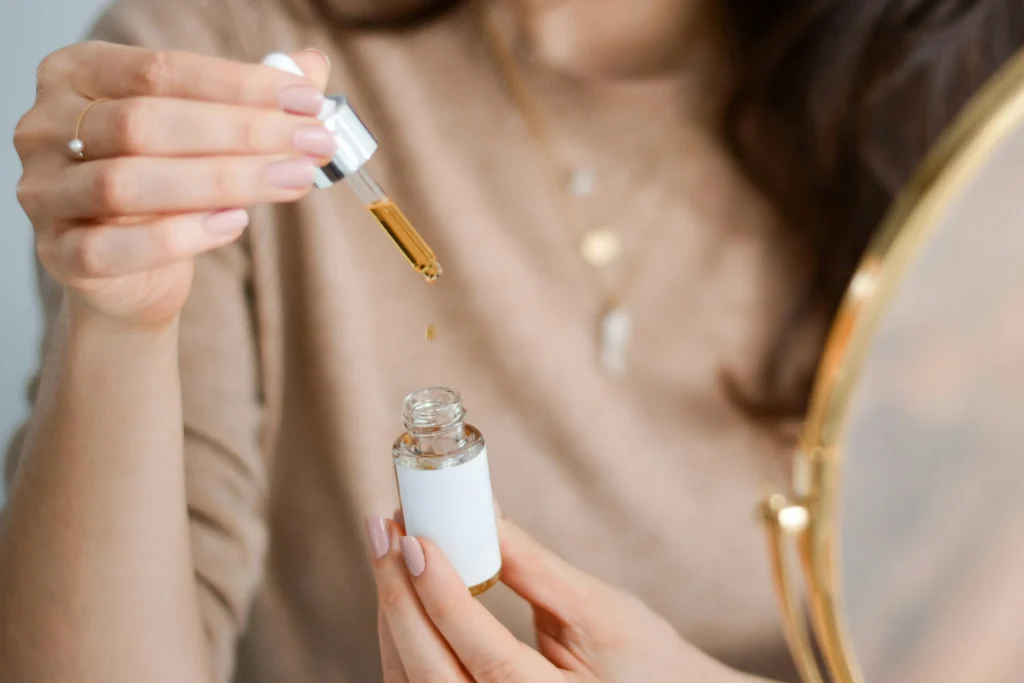
Morning vs Night Routine Comparison
| Product | Morning | Night |
|---|---|---|
| Cleanser | ✅ | ✅ |
| Toner | Optional | Optional |
| Essence | Optional | Optional |
| Vitamin C | ✅ | Optional |
| Niacinamide | ✅ | ✅ |
| Hyaluronic Acid | ✅ | ✅ |
| Retinol | ❌ | ✅ |
| Moisturizer | ✅ | ✅ |
| Facial Oil | Optional | Optional |
| Sunscreen | ✅ Always | ❌ |
Morning Skincare Routine Order
Your morning skincare routine is designed to prepare your skin for the day ahead. During the daytime, your skin faces exposure to sunlight, pollution, dirt, sweat, and environmental stressors. The goal is to protect your skin while keeping it hydrated and healthy.
A simple morning routine is usually enough for most people.
Step 1 – Cleanser
Start by washing your face with a gentle cleanser.
If you have oily skin, use a foaming cleanser to remove excess sebum.
If your skin is dry or sensitive, choose a hydrating cleanser that cleans without leaving your skin feeling tight.
Avoid washing your face with very hot water, as it may strip away natural oils and weaken the skin barrier.
Step 2 – Toner (Optional)
A hydrating toner can provide an extra layer of moisture after cleansing.
Look for ingredients such as:
- Glycerin
- Panthenol
- Hyaluronic Acid
- Centella Asiatica
Skip this step if your cleanser already leaves your skin feeling comfortable.
Step 3 – Antioxidant Serum
Morning is the ideal time to use antioxidants because they help defend your skin against environmental damage.
The most popular option is Vitamin C.
Benefits include:
- Brightening dull skin
- Helping fade post-acne marks
- Supporting collagen production
- Protecting against free radicals
If Vitamin C irritates your skin, Niacinamide is another excellent morning option.
Step 4 – Eye Cream (Optional)
Use a small amount around the orbital bone.
Eye cream is helpful if you experience:
- Dryness
- Puffiness
- Fine lines
If your facial moisturizer is gentle enough, many dermatologists agree that a separate eye cream is optional.
Step 5 – Moisturizer
Moisturizer locks in hydration and supports the skin barrier throughout the day.
Choose according to your skin type.
| Skin Type | Recommended Moisturizer |
|---|---|
| Oily | Lightweight gel |
| Combination | Lotion |
| Dry | Rich cream |
| Sensitive | Fragrance-free cream |
Step 6 – Sunscreen
Never skip sunscreen.
Even on cloudy days, UV rays can contribute to:
- Premature aging
- Hyperpigmentation
- Sunburn
- Skin cancer
Use:
✔ SPF 30 or higher
✔ Broad Spectrum
✔ Apply generously
✔ Reapply every two hours outdoors
If you’re wearing makeup, sunscreen should still be applied beforehand.
Night Skincare Routine Order
Your nighttime routine focuses on repair rather than protection.
While you sleep, your skin naturally works to repair itself. Nighttime is therefore the best opportunity to use treatment products such as retinol and exfoliating acids.
Step 1 – Remove Makeup & Sunscreen
If you wear makeup or sunscreen, begin with an oil-based cleanser or cleansing balm.
This first cleanse helps dissolve:
- Makeup
- Sunscreen
- Excess oil
Step 2 – Water-Based Cleanser
Follow with your regular facial cleanser.
This “double cleansing” method leaves your skin clean without excessive scrubbing.
Double cleansing is particularly beneficial for:
- Oily skin
- Acne-prone skin
- People who wear makeup daily
- Those who use water-resistant sunscreen
Step 3 – Toner (Optional)
A soothing toner may help replenish hydration before applying treatment products.
Step 4 – Treatment Products
Nighttime is when active ingredients are most commonly used.
Examples include:
Retinol
Best for:
- Wrinkles
- Fine lines
- Acne
- Texture
Niacinamide
Useful for:
- Oil control
- Enlarged pores
- Redness
- Acne
Hyaluronic Acid
Excellent for overnight hydration.
Ceramide Serum
Supports skin barrier repair while you sleep.
Step 5 – Moisturizer
Moisturizer helps reduce overnight moisture loss and supports skin recovery.
Many people benefit from a slightly richer moisturizer at night than during the day.
Step 6 – Facial Oil (Optional)
Apply facial oil only after moisturizer.
This helps “seal” hydration rather than replace moisturizer.

How Long Should You Wait Between Products?
One of the most common skincare myths is that you must wait several minutes between every step.
For most products, this isn’t necessary.
General guideline:
| Product | Suggested Wait Time |
|---|---|
| Toner | 20–30 seconds |
| Essence | 20–30 seconds |
| Serum | 30–60 seconds |
| Moisturizer | 30–60 seconds |
| Sunscreen | 1–2 minutes before makeup |
Instead of watching the clock, simply wait until the previous product has mostly absorbed before applying the next one.
How to Layer Active Ingredients
Many beginners own several serums but aren’t sure how to combine them.
Here are some common combinations.
Vitamin C + Hyaluronic Acid
✅ Safe
Vitamin C goes first.
Follow with Hyaluronic Acid.
Niacinamide + Hyaluronic Acid
✅ Safe
Excellent for everyday use.
Retinol + Ceramide
✅ Highly recommended
Ceramides help reduce dryness that may occur with retinol.
Retinol + Hyaluronic Acid
✅ Safe
Hyaluronic Acid provides extra hydration.
Vitamin C + Sunscreen
✅ One of the best morning combinations.
Vitamin C helps defend against oxidative stress, while sunscreen protects against UV exposure.
Ingredients That Should Be Used Carefully Together
Some active ingredients can increase the likelihood of irritation, especially for beginners or those with sensitive skin.
| Combination | Recommendation |
|---|---|
| Retinol + AHA | Use on alternate nights if irritation occurs |
| Retinol + Benzoyl Peroxide | Avoid layering unless advised by a dermatologist |
| Multiple Exfoliating Acids | Avoid using together unnecessarily |
| High-strength Retinol + High-strength Acid | May increase irritation |
This doesn’t mean these ingredients can never be used together, but introducing them gradually and monitoring your skin’s response is often the safest approach.
Common Skincare Layering Mistakes
Even experienced skincare users sometimes make mistakes that reduce product effectiveness.
Here are the most common ones.
1. Applying Products in the Wrong Order
This is the biggest mistake.
Always go from lightweight to heavier textures.
2. Skipping Sunscreen
Using retinol or vitamin C without daily sunscreen can reduce the benefits of your routine and leave your skin more vulnerable to UV damage.
3. Using Too Many Active Ingredients
More isn’t always better.
A routine with six different treatment serums is unlikely to outperform a simple, consistent routine—and it may increase the risk of irritation.
4. Applying Too Much Product
Your skin can only absorb so much.
Using more product than recommended doesn’t necessarily improve results and can simply waste product.
5. Not Waiting for Products to Absorb
Applying products too quickly may cause pilling, where products roll into small flakes on the skin.
Waiting about 30–60 seconds between layers is usually sufficient.
6. Ignoring Your Skin Type
A routine that works well for oily skin may not be ideal for dry or sensitive skin.
Adjust product textures and active ingredients based on your skin’s individual needs.
7. Frequently Changing Products
Switching products every few days makes it difficult to determine what’s working—or what’s causing irritation.
Give new products at least several weeks (unless they cause significant irritation) before evaluating their effectiveness.
Skincare Order by Skin Type
Although the general rule of applying skincare from the thinnest to the thickest consistency applies to everyone, the products you choose should be tailored to your skin type.
Here’s how to build an effective routine based on your individual skin needs.
Oily Skin
People with oily skin often believe they should avoid moisturizer, but this is a common misconception.
When your skin becomes dehydrated, it may actually produce even more oil to compensate.
Recommended Morning Routine
- Gentle Foaming Cleanser
- Niacinamide Serum
- Lightweight Gel Moisturizer
- Sunscreen SPF 30+
Recommended Night Routine
- Cleanser
- Niacinamide Serum
- Retinol (2–3 nights per week)
- Lightweight Moisturizer
Tips
✔ Choose non-comedogenic products.
✔ Avoid heavy facial oils unless your skin is dehydrated.
✔ Use salicylic acid only as directed to prevent over-exfoliation.
Dry Skin
Dry skin lacks sufficient moisture and often feels tight after cleansing.
Hydrating products should become the focus of your routine.
Recommended Morning Routine
- Hydrating Cleanser
- Hydrating Toner
- Hyaluronic Acid Serum
- Ceramide Moisturizer
- Sunscreen
Recommended Night Routine
- Gentle Cleanser
- Hydrating Serum
- Ceramide Cream
- Facial Oil (Optional)
Tips
✔ Avoid harsh foaming cleansers.
✔ Apply moisturizer while the skin is still slightly damp.
✔ Look for ingredients like glycerin, ceramides, and squalane.
Combination Skin
Combination skin usually has an oily T-zone and drier cheeks.
A balanced routine often works best.
Recommended Morning Routine
- Gentle Cleanser
- Vitamin C Serum
- Lightweight Moisturizer
- Sunscreen
Recommended Night Routine
- Cleanser
- Niacinamide
- Moisturizer
Some people may choose a richer moisturizer only on dry areas.
Sensitive Skin
Sensitive skin requires a simple routine.
Adding too many active ingredients at once may increase irritation.
Recommended Morning Routine
- Gentle Cleanser
- Moisturizer
- Sunscreen
Recommended Night Routine
- Cleanser
- Ceramide Moisturizer
Once your skin barrier becomes healthier, you can gradually introduce treatment serums.
Tips
✔ Patch test new products.
✔ Avoid heavily fragranced skincare.
✔ Introduce only one new product at a time.
Acne-Prone Skin
Acne-prone skin needs products that control excess oil while protecting the skin barrier.
Recommended Morning Routine
- Gentle Cleanser
- Niacinamide Serum
- Lightweight Moisturizer
- Sunscreen
Recommended Night Routine
- Cleanser
- Acne Treatment
- Moisturizer
Remember that overusing acne treatments can cause irritation and worsen the skin barrier.
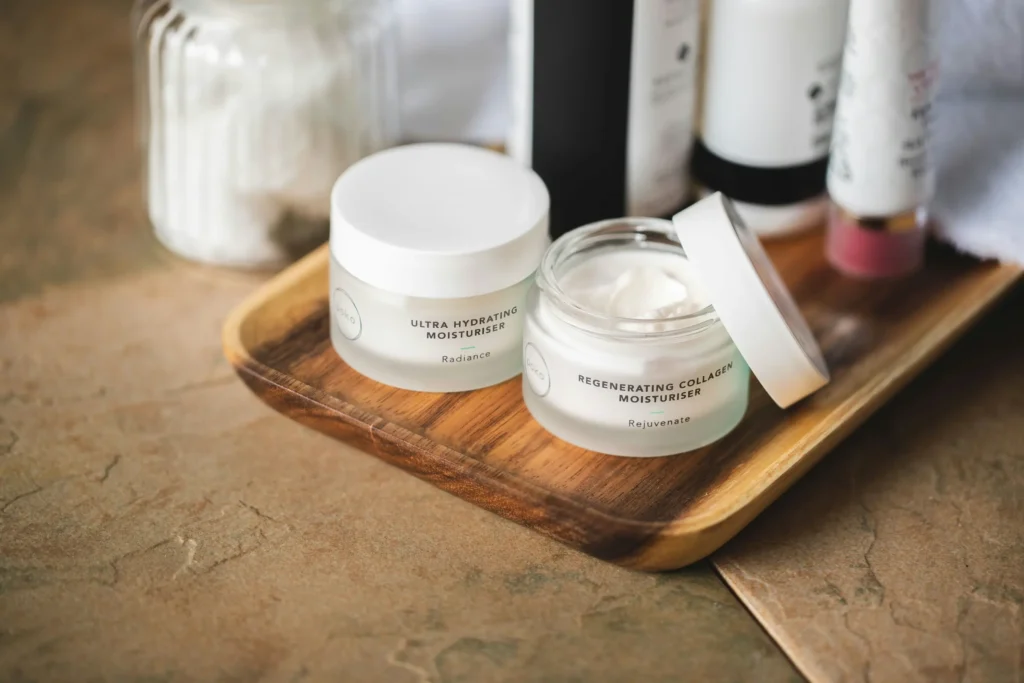
How to Introduce New Skincare Products
One of the biggest mistakes beginners make is introducing multiple products at the same time.
If irritation occurs, it becomes almost impossible to identify the cause.
A better approach is to introduce products gradually.
Week 1
Add only one new product.
Observe your skin for signs of irritation.
Week 2
If your skin tolerates the first product well, introduce another.
Week 3
Continue building your routine one product at a time.
This method makes it easier to determine which products work well for your skin.
Should You Use Every Product Every Day?
No.
Many active ingredients are designed to be used only a few times per week.
Examples include:
| Ingredient | Typical Frequency |
|---|---|
| Retinol | 2–4 nights weekly (or as tolerated) |
| AHA | 1–3 times weekly |
| BHA | 2–4 times weekly (depending on skin tolerance) |
| Vitamin C | Daily if well tolerated |
| Niacinamide | Daily |
| Hyaluronic Acid | Daily |
| Ceramides | Daily |
Using products more frequently than recommended won’t necessarily improve results and may increase irritation.
Signs You’re Applying Products in the Wrong Order
Your skincare routine may need adjustment if you notice any of these issues:
- Products rolling or pilling on the skin
- Sticky or greasy residue that doesn’t absorb
- Increased skin irritation
- Unexpected breakouts after adding multiple products
- Dry patches despite using moisturizer
- Makeup applying unevenly
If you experience these problems, review both the order of application and the number of active ingredients in your routine.
Building a Simple Skincare Routine for Beginners
A common misconception is that effective skincare requires many products.
In reality, a simple routine is often easier to maintain and can deliver excellent results.
Beginner Morning Routine
- Cleanser
- Moisturizer
- Sunscreen
Beginner Night Routine
- Cleanser
- Moisturizer
After several weeks, you can gradually add treatment products such as Vitamin C, Niacinamide, or Retinol if needed.
Dermatologist Tips for Better Results
To get the most from your skincare routine:
- Be consistent rather than constantly switching products.
- Apply products gently without excessive rubbing.
- Avoid using very hot water to cleanse your face.
- Replace products if they have expired or changed in smell or texture.
- Clean makeup brushes and beauty tools regularly.
- Prioritize sunscreen every morning, even on cloudy days.
Healthy skin develops over time. Most skincare products require several weeks of consistent use before noticeable improvements appear.
Who Should See a Dermatologist?
While many skincare concerns can be managed with over-the-counter products, it’s advisable to consult a board-certified dermatologist if you experience:
- Persistent acne that doesn’t improve
- Severe skin irritation
- Painful cystic acne
- Sudden or significant changes in your skin
- Unusual moles or skin lesions
- Suspected allergic reactions to skincare products
Professional guidance can help you find the most appropriate treatment plan for your specific skin concerns.
Evidence-Based Skincare: What the Research Says
Current dermatology guidelines consistently support a few core principles:
- Use a broad-spectrum sunscreen (SPF 30 or higher) daily to help protect against UV-related skin damage.
- Maintain a healthy skin barrier with regular moisturization.
- Introduce active ingredients gradually to minimize irritation.
- Cleanse gently—over-cleansing can disrupt the skin barrier.
- Consistency over time is generally more important than using many products at once.
These recommendations align with guidance from organizations such as the American Academy of Dermatology (AAD) and are supported by published dermatology research.
Editor’s Product Picks
Editor’s Note: We’re currently testing and reviewing skincare products to identify the best options for different skin types and concerns. This section will be updated regularly with dermatologist-recommended and editor-approved products.
Recommended Products (Coming Soon)
| Product Category | Best For | Status |
|---|---|---|
| Vitamin C Serum | Brightening | Coming Soon |
| Niacinamide Serum | Oily Skin | Coming Soon |
| Ceramide Moisturizer | Dry Skin | Coming Soon |
| Retinol Serum | Anti-Aging | Coming Soon |
| Sunscreen SPF50 | Daily Protection | Coming Soon |
Update: Product recommendations and affiliate links will be added after our editorial review process is complete.
Frequently Asked Questions
1. What is the correct order to apply skincare products?
Apply skincare products from the thinnest consistency to the thickest consistency.
A typical morning routine is:
- Cleanser
- Toner
- Serum
- Moisturizer
- Sunscreen
At night, replace sunscreen with treatment products such as retinol if appropriate for your skin.
2. Should serum go before moisturizer?
Yes.
Serums contain concentrated active ingredients designed to penetrate the skin before heavier products.
Moisturizer should generally be applied afterward to help lock in hydration.
3. Is toner necessary?
Not always.
Modern toners mainly provide hydration and prepare the skin for subsequent products.
If your cleanser is gentle and your skin feels comfortable, you may choose to skip toner.
4. Can I use Vitamin C and Retinol together?
Both ingredients can be part of the same overall skincare routine, but many people prefer using Vitamin C in the morning and Retinol at night to minimize the risk of irritation and simplify their routine.
5. How long should I wait between skincare products?
Waiting around 30 to 60 seconds between layers is usually enough.
The previous product should feel mostly absorbed before applying the next one.
6. Should sunscreen be the last step?
Yes.
Sunscreen should be the final step of your morning skincare routine before applying makeup.
7. Do I need both morning and night routines?
Yes.
Morning routines focus on protecting your skin from environmental stressors, while nighttime routines emphasize repair and recovery.
8. Can I skip moisturizer if I have oily skin?
No.
Even oily skin benefits from moisturizer.
Using a lightweight, non-comedogenic moisturizer can help maintain hydration without feeling greasy.
9. What happens if I apply skincare in the wrong order?
Products may not absorb properly, which can reduce their effectiveness.
Incorrect layering may also increase the risk of pilling or irritation.
10. How many skincare products do beginners need?
A simple routine is usually sufficient:
- Cleanser
- Moisturizer
- Sunscreen (morning)
Additional products can be introduced gradually based on your skin concerns.
Final Thoughts
Following the correct order to apply skincare products doesn’t have to be complicated.
The most important principle is to apply products from the lightest consistency to the heaviest while using ingredients that suit your skin type and concerns.
Rather than building an extensive routine overnight, focus on consistency. A simple routine followed every day often produces better long-term results than using many products inconsistently.
Remember that healthy skin takes time. Most skincare products require several weeks of regular use before noticeable improvements become visible.
By understanding proper skincare layering and choosing products wisely, you’ll give each product the best opportunity to perform effectively.
Key Takeaways
✔ Apply products from thinnest to thickest
✔ Sunscreen is always the final morning step
✔ Retinol is generally used at night
✔ Introduce new products gradually
✔ Don’t overload your routine with too many active ingredients
✔ Consistency is more important than complexity
Continue Reading
If you found this guide helpful, you may also enjoy these articles:
- Best Skincare Routine for Acne-Prone Skin
- Morning Skincare Routine (Coming Soon)
- Night Skincare Routine (Coming Soon)
- Niacinamide: Benefits, Best Serums & How to Use It
- Retinol Guide
- Vitamin C Guide
- Ceramide Guide
- Skin Barrier Repair Guide
- Best Moisturizers
- Best Sunscreens
- Skincare Routine
- Skincare Basics
- Guides
- Dictionary
- Beauty Tools
Call-to-Action
Build Your Perfect Skincare Routine
Every skin type is different, and finding the right routine takes time.
Explore our skincare guides, ingredient explainers, and product recommendations to build a routine that works for your unique skin concerns.
At BestGlowCare, our goal is to help you make informed skincare decisions through evidence-based guides, expert research, and unbiased product reviews.
External References
For additional evidence-based skincare information, readers can refer to: