Understanding skincare terminology can feel overwhelming, especially for beginners building a skincare routine for acne-prone, oily, or sensitive skin.
This skincare dictionary explains popular skincare ingredients, acne terms, anti-aging concepts, beauty tools, and dermatologist-recommended skincare language in a simple and beginner-friendly way.
Whether you are researching serums, moisturizers, retinol, sunscreen, or acne treatments, this guide can help you better understand modern skincare products and routines.
Add info:
American Academy of Dermatology skin care basics
Cleveland Clinic skincare ingredient guide
Acne-Prone Skin Terms
Acne-Prone Skin
Skin that is more likely to develop pimples, blackheads, whiteheads, or clogged pores.
Blackheads
Open clogged pores filled with oil and dead skin cells that appear dark on the skin surface.
Whiteheads
Closed clogged pores trapped underneath the skin.
Clogged Pores
Pores blocked by excess oil, dead skin cells, makeup, or debris.
Sebum
Natural oil produced by the skin. Excess sebum may contribute to acne and oily skin.
Non-Comedogenic
Products formulated to avoid clogging pores.
Breakouts
A general term used to describe acne flare-ups or pimples.
Acne Scars
Marks or texture changes left behind after acne heals.
Purging
Temporary breakouts that may happen when starting active ingredients like retinol or exfoliating acids.
Skincare Ingredient Terms
Retinol
A vitamin A derivative commonly used for anti-aging, acne, fine lines, and improving skin texture.
Niacinamide
A form of vitamin B3 that helps reduce oiliness, redness, and uneven skin tone.
Salicylic Acid
A beta hydroxy acid (BHA) used to unclog pores and treat acne-prone skin.
Hyaluronic Acid
A hydrating ingredient that helps the skin retain moisture.
Vitamin C
An antioxidant ingredient commonly used for brightening skin and reducing dark spots.
Ceramides
Lipids that help support and protect the skin barrier.
Benzoyl Peroxide
An acne treatment ingredient used to reduce acne-causing bacteria.
Peptides
Short chains of amino acids used in anti-aging skincare products.
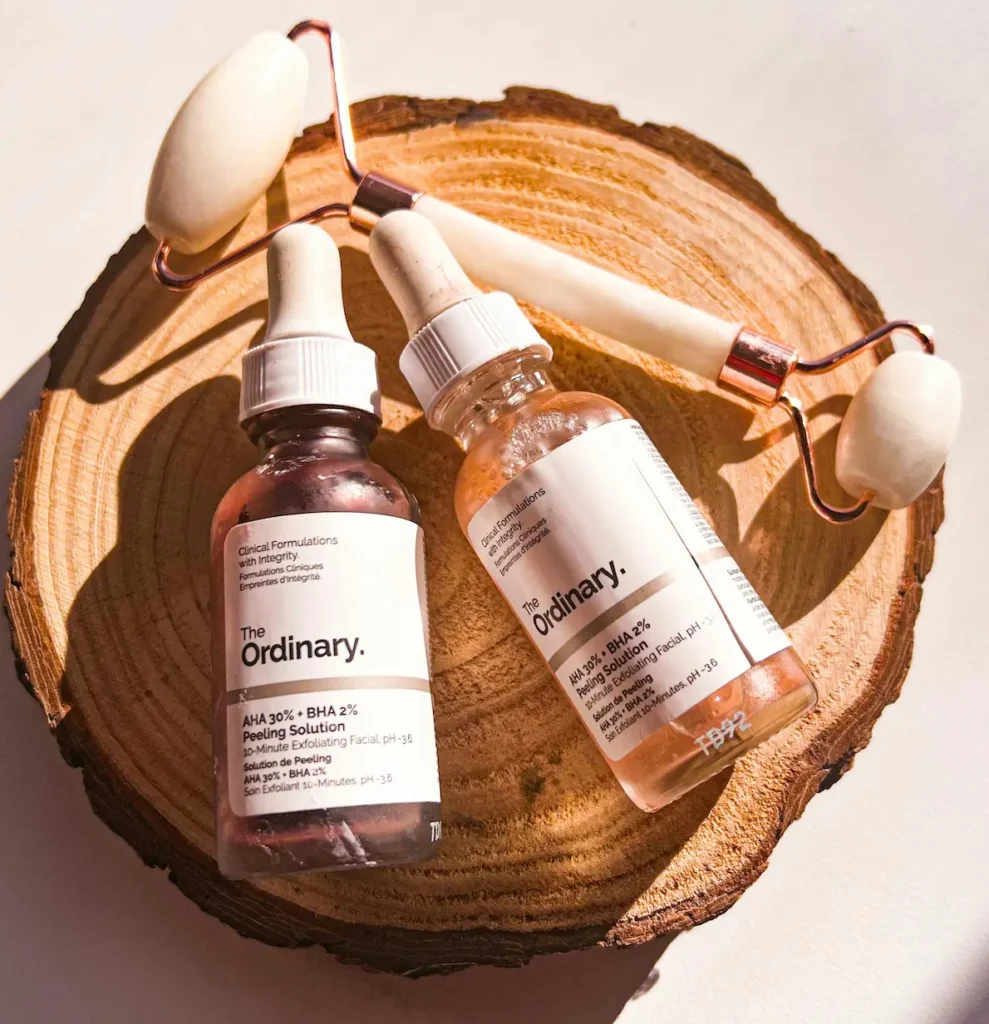
AHAs (Alpha Hydroxy Acids)
Water-soluble exfoliating acids often used for dull skin and uneven texture.
BHAs (Beta Hydroxy Acids)
Oil-soluble exfoliating acids commonly used for oily and acne-prone skin.
Anti-Aging Skincare Terms
Fine Lines
Small shallow wrinkles usually associated with aging and dehydration.
Wrinkles
Deeper skin folds caused by aging, sun exposure, and collagen loss.
Collagen
A protein that helps maintain skin firmness and elasticity.
Skin Elasticity
The skin’s ability to stretch and return to its original shape.
Photoaging
Premature skin aging caused by sun exposure.
Dark Spots
Areas of hyperpigmentation caused by acne, sun exposure, or inflammation.
Hyperpigmentation
Darkened patches of skin caused by excess melanin production.
Sunscreen & SPF Terms
SPF (Sun Protection Factor)
A measurement indicating how well sunscreen protects against UVB rays.
Broad Spectrum Sunscreen
Sunscreen that protects against both UVA and UVB rays.
UVA Rays
Ultraviolet rays associated with skin aging and wrinkles.
UVB Rays
Ultraviolet rays associated with sunburn.
Mineral Sunscreen
Sunscreen formulated with zinc oxide or titanium dioxide.
Chemical Sunscreen
Sunscreen using chemical UV filters to absorb ultraviolet rays.
Beauty Tools Terms
LED Face Mask
A skincare device using light therapy technology to help target acne or signs of aging.
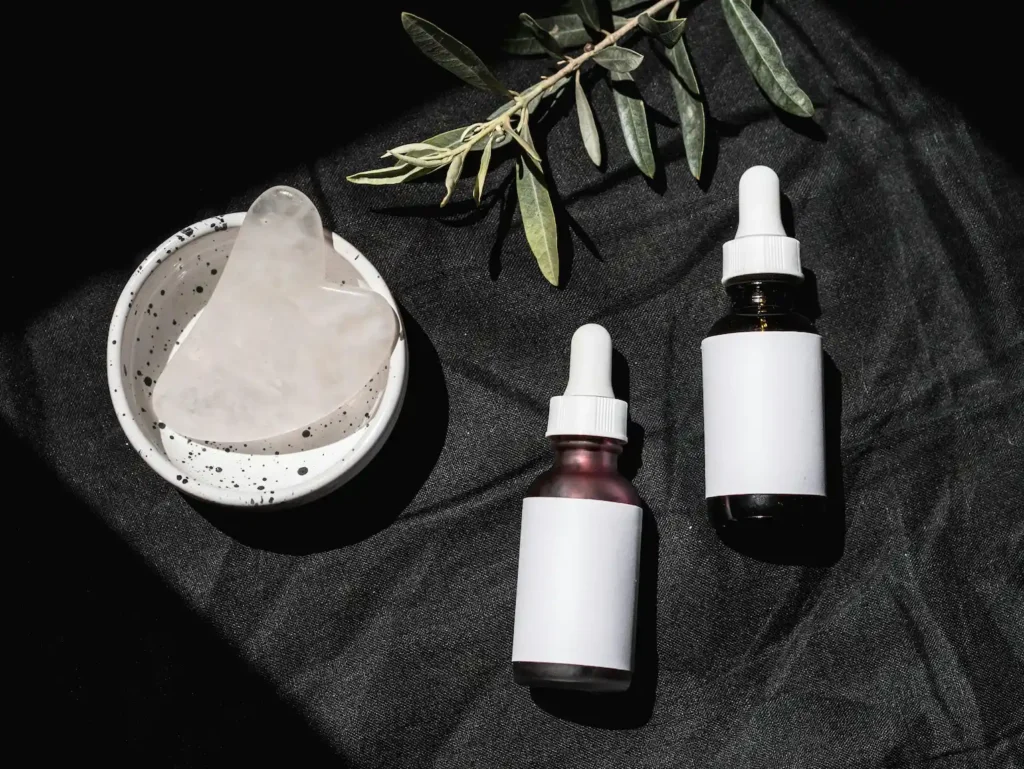
Gua Sha
A facial massage tool commonly used to improve circulation and reduce puffiness.
Ice Roller
A cooling beauty tool designed to reduce facial puffiness and soothe the skin.
Facial Cleansing Brush
An electronic or manual cleansing tool used to help remove dirt and oil.
Blackhead Remover Tool
A skincare tool designed to help remove clogged pores and blackheads.
Skincare Routine Terms
Double Cleansing
A cleansing method using an oil-based cleanser followed by a water-based cleanser.
Exfoliation
The process of removing dead skin cells from the skin surface.
Skin Barrier
The outer protective layer of the skin that helps retain moisture and block irritants.
Patch Test
Testing a skincare product on a small area of skin before full application.
Active Ingredients
Ingredients designed to target specific skincare concerns like acne or wrinkles.
Skin Texture
The overall smoothness or roughness of the skin.
Sensitive Skin
Skin that is easily irritated by skincare products or environmental triggers.
Internal Linking Opportunities
Recommended internal links for this glossary article:
- Best Face Wash for Acne-Prone Skin
- Best Toners for Acne-Prone Skin
- Best Serum for Acne-Prone Skin
- Best Exfoliators for Acne-Prone Skin
- Best Moisturizer for Acne-Prone Skin
- Retinol Benefits for Skin
- Niacinamide Benefits for Skin
- Best Sunscreen for Oily Skin
- Best LED Face Masks for Acne
- Best Gua Sha Tools for Face
FAQ
What is the difference between AHA and BHA?
AHAs are water-soluble exfoliating acids mainly used for surface exfoliation, while BHAs like salicylic acid penetrate oil and pores.
What does non-comedogenic mean?
Non-comedogenic products are formulated to reduce the risk of clogged pores.
Is retinol good for acne-prone skin?
Retinol may help improve acne, clogged pores, and skin texture when used correctly.
Why is sunscreen important in skincare?
Sunscreen helps protect the skin from UV damage, premature aging, and hyperpigmentation.
What skincare ingredients help oily skin?
Ingredients commonly used for oily skin include niacinamide, salicylic acid, and lightweight non-comedogenic moisturizers.
Final Thoughts
Learning basic skincare terminology can help you better understand ingredients, products, and skincare routines designed for acne-prone, oily, sensitive, or aging skin.
As skincare trends continue evolving in 2026, understanding terms like retinol, niacinamide, salicylic acid, SPF, and skin barrier repair can help you choose skincare products more confidently and safely.
For beginners, focusing on a gentle skincare routine, non-comedogenic products, sunscreen, and dermatologist-inspired skincare advice is often the best starting point.