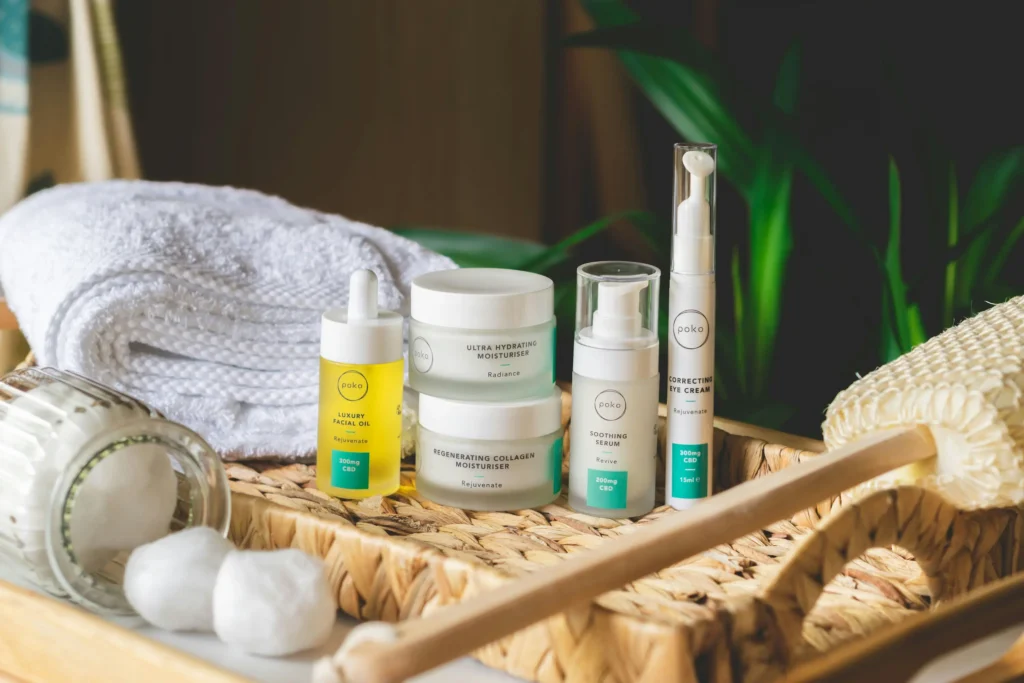
If your skin suddenly feels tight, dry, red, irritated, or stings when you apply products that never used to bother you, there’s a good chance your skin barrier has been compromised.
A damaged skin barrier is one of the most common causes of sensitive, dehydrated, and easily irritated skin. Fortunately, with the right skincare routine and a little patience, your skin barrier can often recover.
This comprehensive guide explains everything you need to know about skin barrier repair, including:
- What the skin barrier actually does
- Signs that your skin barrier is damaged
- Common causes of barrier damage
- The best ingredients for repair
- A dermatologist-inspired morning and evening routine
- Product recommendations for different skin types
- Common mistakes that slow recovery
- How long healing usually takes
Whether your skin became irritated from over-exfoliating, using retinol too aggressively, or simply trying too many new products at once, this guide will help you restore a healthier, stronger complexion.
Key Takeaways
✔ The skin barrier is your skin’s natural protective shield against moisture loss, pollution, allergens, and bacteria.
✔ Over-exfoliation, harsh cleansers, excessive active ingredients, and UV exposure are among the most common causes of barrier damage.
✔ Ceramides, glycerin, panthenol, squalane, and colloidal oatmeal are some of the best ingredients for repairing the skin barrier.
✔ Avoid strong acids, high-strength retinoids, and harsh scrubs while your skin heals.
✔ Daily sunscreen is essential because UV exposure slows barrier recovery.
✔ Most mild barrier damage improves within 2–4 weeks with a gentle skincare routine.
What Is the Skin Barrier?
Your skin barrier, also called the stratum corneum, is the outermost layer of your skin. Think of it as a protective wall that keeps the good things in—like water—and harmful things out.
Dermatologists often describe the skin barrier using the “brick and mortar” model:
- The skin cells (corneocytes) are the bricks.
- Natural lipids—including ceramides, cholesterol, and fatty acids—act as the mortar holding everything together.
When this structure is healthy, your skin remains:
- Smooth
- Hydrated
- Comfortable
- Resilient
- Less reactive to environmental stressors
A healthy skin barrier also helps maintain your skin’s natural microbiome, supporting beneficial microorganisms that contribute to overall skin health.
Why Is the Skin Barrier Important?
The skin barrier performs several critical functions every day.
Prevents Water Loss
One of the barrier’s primary jobs is reducing transepidermal water loss (TEWL). When the barrier weakens, moisture escapes more easily, leaving skin dry, flaky, and dehydrated.
Blocks Irritants
A healthy barrier protects against:
- Pollution
- Dust
- Allergens
- Harsh weather
- Certain chemicals
- Bacteria and other microbes
When the barrier is compromised, these irritants penetrate the skin more easily, increasing the likelihood of redness and discomfort.
Reduces Sensitivity
Strong skin barriers tolerate skincare ingredients much better.
Damaged barriers often react to products that were previously well tolerated, leading to burning, itching, or stinging.
Supports Healthy Aging
Healthy skin retains moisture better, appears smoother, and often shows fewer visible fine lines caused by dehydration.
While barrier repair won’t erase wrinkles, maintaining a strong barrier helps skin look healthier and more resilient over time.
Signs Your Skin Barrier Is Damaged
A damaged skin barrier doesn’t always look dramatic. Sometimes the symptoms develop gradually after introducing new skincare products or changing your routine.
Common signs include:
Persistent Dryness
Even after applying moisturizer, your skin quickly feels dry again.
Tightness After Cleansing
If your face feels uncomfortably tight within minutes of washing, your cleanser may be stripping away protective lipids.
Increased Sensitivity
Products that once felt comfortable now sting or burn.
This is one of the earliest signs that your barrier may be compromised.
Redness
Inflammation often increases when the skin barrier becomes weaker.
The redness may be constant or appear after cleansing or applying skincare.
Flaking
Dry patches or peeling skin indicate that the outer protective layer is struggling to retain moisture.
Rough Texture
Skin may feel bumpy or uneven even without acne.
More Frequent Breakouts
Ironically, a damaged barrier can contribute to acne because irritation and inflammation disrupt the skin’s normal balance.
Excess Oil Production
Some people notice their skin becomes oilier after over-cleansing.
This happens because dehydrated skin may compensate by producing more sebum.
Common Causes of a Damaged Skin Barrier
Understanding what weakened your skin barrier is the first step toward repairing it.
Over-Exfoliation
Using exfoliating acids too frequently is one of the leading causes of barrier damage.
Examples include:
- Glycolic acid
- Salicylic acid
- Lactic acid
- Mandelic acid
Even gentle exfoliants can cause problems when used too often or combined without allowing recovery time.
If you’re unsure which exfoliant suits your skin, read our guide on Salicylic Acid vs. Glycolic Acid.
Using Too Many Active Ingredients
Layering multiple powerful ingredients can overwhelm your skin.
Examples include combining:
- Retinol
- Vitamin C
- AHAs
- BHAs
- Benzoyl peroxide
- Prescription acne medications
While each ingredient can be beneficial on its own, using too many at once increases the risk of irritation.
Harsh Cleansers
Cleansers with strong surfactants or high-pH formulas may strip away natural oils that help keep the barrier intact.
Signs a cleanser is too harsh include:
- Tightness
- Squeaky-clean feeling
- Immediate dryness
- Burning after washing
A gentle, pH-balanced cleanser is generally a better choice, especially if your skin is already irritated.
Sun Exposure
Ultraviolet (UV) radiation doesn’t just increase the risk of sunburn and premature aging—it also weakens the skin barrier.
Daily sunscreen helps protect your skin while it heals and reduces further damage from UV exposure.
Cold or Dry Weather
Environmental conditions can also affect the skin barrier.
Cold temperatures, low humidity, and strong winds may reduce moisture levels, making skin more prone to irritation.
Indoor heating during winter can have a similar drying effect.
Overwashing
Washing your face too frequently removes beneficial oils that help maintain the barrier.
For most people:
- Cleanse twice daily at most.
- If your skin is very dry or sensitive, rinsing with water in the morning may be sufficient.
Hot Water
Long, hot showers can dissolve protective skin lipids faster than lukewarm water.
Using lukewarm water is generally gentler on the skin and supports barrier health.
Physical Scrubs
Rough exfoliating scrubs with large abrasive particles can create tiny injuries on the skin’s surface.
If your barrier is already damaged, it’s best to avoid physical exfoliation until your skin has recovered.
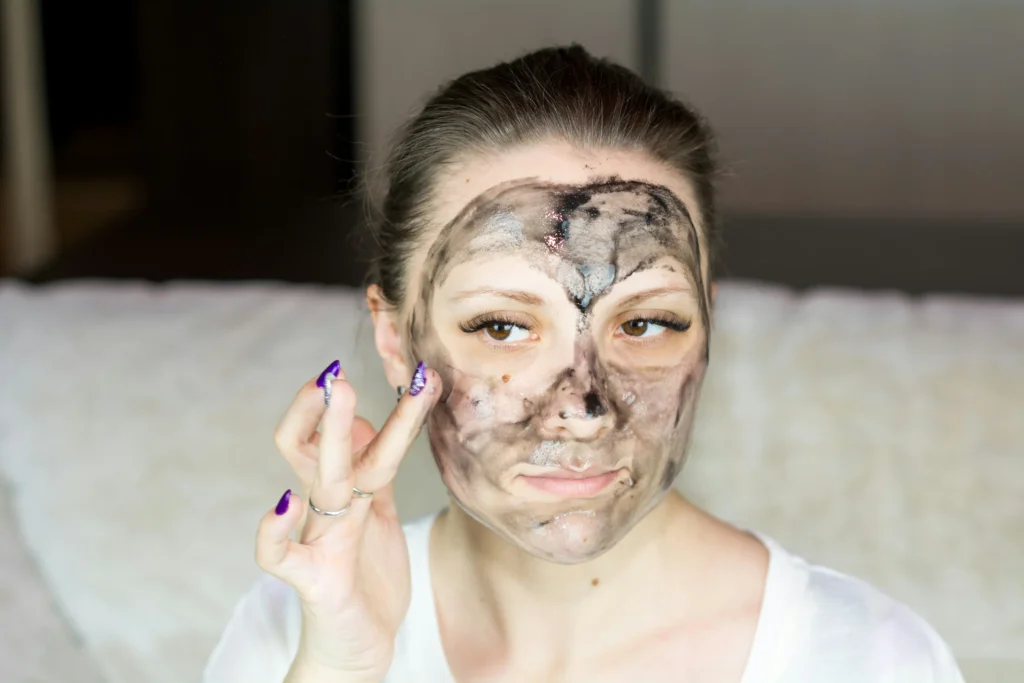
How Does Skin Barrier Repair Work?
Your skin naturally repairs itself, but the process takes time and depends on minimizing further irritation.
Barrier repair focuses on three main goals:
1. Restore Moisture
Hydrating ingredients such as glycerin and hyaluronic acid help attract water to the skin, improving comfort and reducing dehydration.
2. Replenish Essential Lipids
Ceramides, cholesterol, and fatty acids help rebuild the “mortar” between skin cells, strengthening the barrier over time.
3. Protect While Healing
Reducing exposure to irritants, avoiding overuse of active ingredients, and wearing sunscreen every day allow the skin to recover more efficiently.
Healing speed varies based on the severity of the damage. Mild irritation may improve within a couple of weeks, while more significant barrier disruption can take longer and may require a simplified skincare routine.
Complete Skin Barrier Repair Routine
A damaged skin barrier doesn’t need an elaborate 10-step routine. In fact, simplifying your skincare is often the fastest way to help your skin recover.
The goal is to:
- Cleanse gently
- Rehydrate the skin
- Rebuild the lipid barrier
- Protect against UV damage
- Avoid unnecessary irritation
Less is often more until your skin feels healthy again.
Morning Skin Barrier Repair Routine
Your morning routine should focus on hydration and protection rather than treatment.
Step 1 – Use a Gentle Cleanser
If your skin feels oily when you wake up, wash with a mild, fragrance-free cleanser.
If your skin is very dry or irritated, simply rinsing with lukewarm water may be enough.
Look for cleansers that are:
- Sulfate-free
- pH-balanced
- Fragrance-free
- Non-stripping
Good Ingredients
- Glycerin
- Ceramides
- Amino acids
- Oat extract
Avoid cleansers that leave your skin feeling “squeaky clean,” as this often indicates they’ve removed too much of your natural protective oil.
Step 2 – Apply a Hydrating Serum
After cleansing, apply a lightweight hydrating serum to damp skin.
Hydrating serums increase water content in the outer layers of the skin and prepare it for moisturizer.
Look for ingredients like:
- Hyaluronic Acid
- Glycerin
- Panthenol (Vitamin B5)
- Beta-Glucan
- Polyglutamic Acid
If your skin stings when applying a serum, simplify your routine and focus on moisturizer until the irritation subsides.
Step 3 – Apply a Barrier Repair Moisturizer
Moisturizer is the most important step in any barrier repair routine.
An effective moisturizer should contain a balance of:
- Humectants (draw in water)
- Emollients (smooth the skin)
- Occlusives (lock in moisture)
Best Barrier Repair Ingredients
- Ceramides
- Cholesterol
- Fatty Acids
- Squalane
- Shea Butter
- Panthenol
- Colloidal Oatmeal
A richer cream may be more suitable if your skin feels extremely dry, while a lightweight lotion can work well for oily or combination skin.
Step 4 – Wear Sunscreen Every Morning
Daily sunscreen is essential while repairing your skin barrier.
UV exposure can worsen inflammation, increase moisture loss, and slow down healing.
Choose a sunscreen that:
- SPF 30 or higher
- Broad-spectrum (UVA + UVB)
- Fragrance-free if possible
- Suitable for sensitive skin
If your skin is very reactive, mineral sunscreens containing zinc oxide or titanium dioxide are often better tolerated than some chemical filters.
Night Skin Barrier Repair Routine
Your evening routine focuses on recovery and minimizing irritation.
Step 1 – Remove Makeup and Sunscreen Gently
If you wear makeup or water-resistant sunscreen, use:
- Cleansing balm
- Cleansing oil
- Micellar water (followed by a gentle cleanser if needed)
Avoid aggressive rubbing.
Massage gently using your fingertips.
Step 2 – Cleanse
Use the same gentle cleanser from your morning routine.
Double cleansing is only necessary if you’re wearing heavy makeup or long-wear sunscreen.
Otherwise, a single cleanse is usually enough.
Step 3 – Hydrating Serum
Apply a hydrating serum while the skin is still slightly damp.
If your skin is extremely irritated, you can skip this step and move directly to moisturizer.
Step 4 – Barrier Repair Moisturizer
Apply a generous layer of moisturizer.
Nighttime is when the skin naturally loses more moisture, making this step particularly important.
Step 5 – Optional Occlusive Layer
If your skin feels very dry or flaky, apply a thin layer of an occlusive product over your moisturizer.
Examples include:
- Petrolatum
- Healing ointments
- Barrier balms
This technique helps reduce overnight moisture loss and supports faster recovery.
Skin Barrier Repair Routine Order
| Morning | Night |
|---|---|
| Gentle Cleanser | Makeup Remover (if needed) |
| Hydrating Serum | Gentle Cleanser |
| Barrier Moisturizer | Hydrating Serum |
| Sunscreen SPF 30+ | Barrier Moisturizer |
| — | Optional Healing Balm |
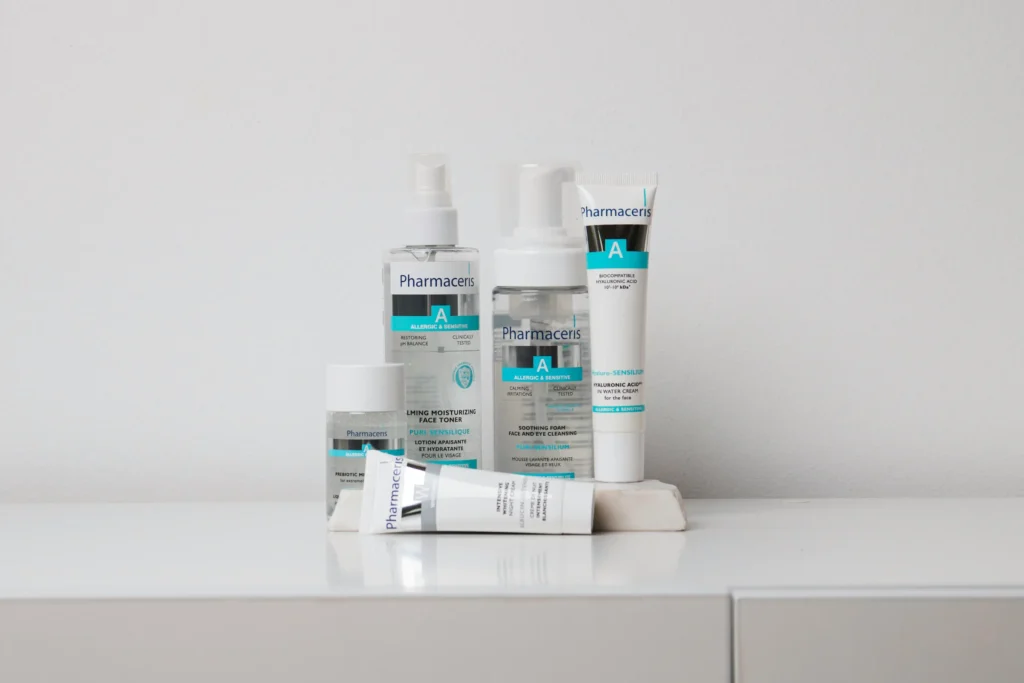
Best Ingredients for Skin Barrier Repair
Not all skincare ingredients are created equal. Some are especially effective at repairing and strengthening the skin barrier.
Ceramides
Ceramides are naturally occurring lipids that make up nearly half of your skin barrier.
When the barrier is damaged, ceramide levels often decrease.
Benefits include:
- Strengthen the barrier
- Reduce moisture loss
- Improve softness
- Support long-term skin resilience
Ceramides are considered one of the most important ingredients in barrier repair products.
Cholesterol
Cholesterol is another natural lipid found in healthy skin.
When combined with ceramides and fatty acids, it helps rebuild the skin’s protective structure more effectively than ceramides alone.
Fatty Acids
Fatty acids help replenish the lipid layer and improve skin flexibility.
Common examples include:
- Linoleic Acid
- Linolenic Acid
- Oleic Acid (used carefully depending on skin type)
Together with ceramides and cholesterol, they form the foundation of many barrier-repair moisturizers.
Glycerin
Glycerin is one of the most effective humectants available.
It attracts water from deeper layers of the skin and the surrounding environment, improving hydration and reducing tightness.
Suitable for nearly every skin type, glycerin is a staple in many gentle cleansers and moisturizers.
Hyaluronic Acid
Hyaluronic acid binds water to the skin, helping it feel plumper and more hydrated.
Although it doesn’t rebuild the barrier directly, it supports recovery by improving moisture levels.
To prevent dehydration in very dry environments, always apply hyaluronic acid under a moisturizer.
Panthenol (Vitamin B5)
Panthenol is well known for its soothing and moisturizing properties.
Benefits include:
- Calms redness
- Improves hydration
- Supports wound healing
- Reduces irritation
It’s especially helpful for sensitive or compromised skin.
Squalane
Squalane is a lightweight emollient that mimics the skin’s natural oils.
Unlike heavier oils, it absorbs quickly without leaving a greasy finish.
Benefits include:
- Softens skin
- Prevents moisture loss
- Supports barrier recovery
- Suitable for oily and acne-prone skin
Colloidal Oatmeal
Colloidal oatmeal has been used for decades to soothe dry, itchy, and irritated skin.
It offers multiple benefits:
- Reduces inflammation
- Relieves itching
- Strengthens the skin barrier
- Helps lock in moisture
It’s an excellent choice for eczema-prone or highly sensitive skin.
Niacinamide
Niacinamide can help strengthen the skin barrier by increasing ceramide production and reducing inflammation.
However, if your barrier is severely damaged, start with lower concentrations (around 2–5%), as high-strength formulas (10% or more) may cause temporary irritation in some people.
For a deeper look at this ingredient, see our Niacinamide Guide.
Ingredients to Avoid While Repairing Your Skin Barrier
While your skin heals, temporarily reduce or avoid products that commonly cause irritation.
Strong Exfoliating Acids
Pause or limit:
- Glycolic Acid
- Salicylic Acid
- Lactic Acid
- Mandelic Acid
These ingredients are effective when your skin is healthy, but using them on a damaged barrier can prolong irritation.
High-Strength Retinoids
Retinol and prescription retinoids can be irritating if introduced too quickly or used too often.
If your skin is already compromised, it’s generally best to stop using retinoids until your barrier has recovered.
When reintroducing them, start gradually—once or twice a week—and increase frequency only if your skin tolerates it well.
Benzoyl Peroxide
Benzoyl peroxide is highly effective for acne but can be drying.
If you’re dealing with a damaged barrier, consider pausing it temporarily or using it only as a spot treatment after your skin has improved.
Alcohol-Based Products
Some toners and acne treatments contain high levels of denatured alcohol, which can strip moisture and worsen dryness.
Look for alcohol-free alternatives whenever possible.
Fragrances and Essential Oils
Fragrance isn’t harmful for everyone, but damaged skin is more reactive than usual.
Choosing fragrance-free products during the healing process can reduce the risk of additional irritation.
Common Mistakes That Slow Skin Barrier Recovery
Even with good intentions, certain habits can delay healing.
Using Too Many Products
Adding multiple serums, masks, and treatments at once can overwhelm your skin.
A simple routine is often more effective.
Exfoliating Too Soon
Many people resume acids or scrubs as soon as their skin feels slightly better.
Wait until your skin is fully comfortable—without redness, tightness, or stinging—before slowly reintroducing exfoliants.
Skipping Moisturizer
Hydration alone isn’t enough.
Without moisturizer to seal in water, your skin continues losing moisture throughout the day.
Forgetting Sunscreen
Sun exposure can undo much of your progress.
Even on cloudy days, UV rays can weaken the skin barrier and trigger inflammation.
Daily sunscreen is one of the easiest ways to protect your skin while it heals.
Constantly Switching Products
Barrier repair takes time.
Changing products every few days makes it difficult to know what’s working and may expose your skin to unnecessary irritation.
Stick to a consistent routine for at least 2–4 weeks before deciding whether it’s effective.
Best Products for Skin Barrier Repair
Choosing the right products can make a significant difference when repairing a damaged skin barrier. Instead of looking for the most expensive option, focus on products with proven barrier-supporting ingredients such as ceramides, glycerin, panthenol, squalane, cholesterol, and colloidal oatmeal.
The recommendations below are widely recognized for their gentle formulations and suitability for sensitive or compromised skin.
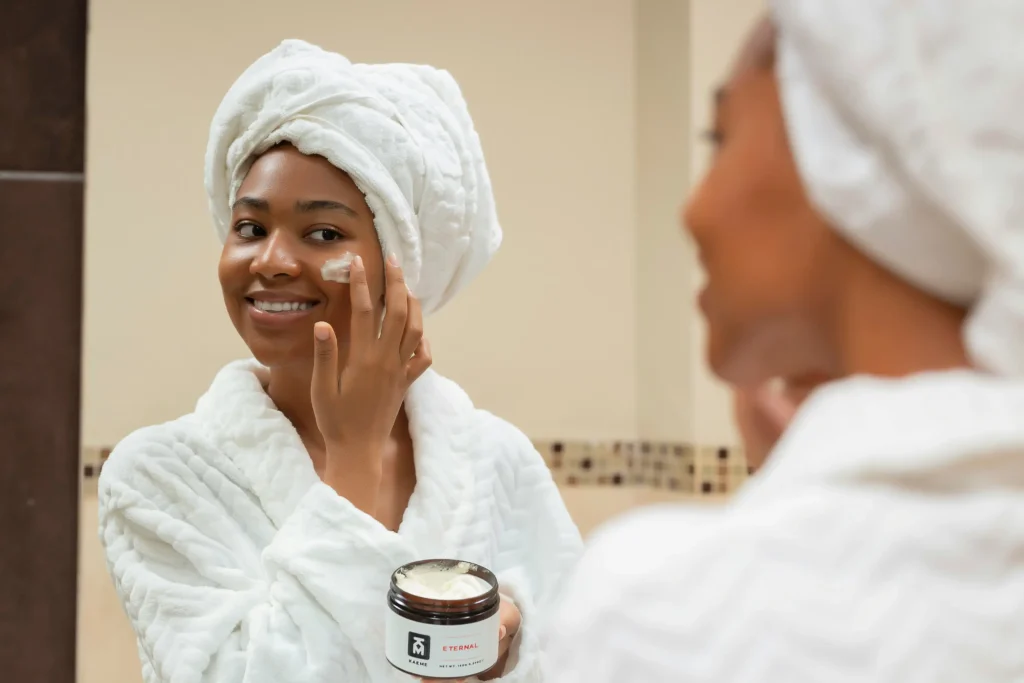
Best Gentle Cleansers
A good cleanser should remove dirt, oil, and sunscreen without stripping your skin’s natural protective lipids.
| Product | Best For | Key Ingredients |
|---|---|---|
| CeraVe Hydrating Cleanser | Dry & Sensitive Skin | Ceramides, Hyaluronic Acid |
| La Roche-Posay Toleriane Hydrating Gentle Cleanser | Sensitive Skin | Ceramides, Glycerin, Niacinamide |
| Vanicream Gentle Facial Cleanser | Allergy-Prone Skin | Glycerin |
| Aveeno Calm + Restore Nourishing Oat Cleanser | Irritated Skin | Colloidal Oatmeal |
| Cetaphil Gentle Skin Cleanser | All Skin Types | Glycerin, Panthenol |
Buying Tip: If your skin feels tight immediately after cleansing, your cleanser may be too harsh. Switching to a gentler formula is often one of the quickest ways to support barrier recovery.
Best Moisturizers for Skin Barrier Repair
Moisturizer is the cornerstone of any barrier repair routine.
Look for products that combine ceramides, cholesterol, fatty acids, and humectants for optimal support.
| Product | Best For | Highlights |
|---|---|---|
| CeraVe Moisturizing Cream | Very Dry Skin | Ceramides + Hyaluronic Acid |
| La Roche-Posay Cicaplast Baume B5+ | Irritated Skin | Panthenol, Madecassoside |
| Avène Cicalfate+ Restorative Protective Cream | Compromised Skin | Soothing, Protective Formula |
| Vanicream Moisturizing Cream | Sensitive Skin | Fragrance-Free |
| Eucerin Advanced Repair Cream | Rough, Dry Skin | Ceramides + Urea |
These moisturizers help reduce transepidermal water loss (TEWL) while replenishing essential lipids that strengthen the skin barrier.
Best Hydrating Serums
Hydrating serums add water to the skin and improve comfort, especially when layered under a moisturizer.
Recommended ingredients include:
- Hyaluronic Acid
- Panthenol
- Beta-Glucan
- Polyglutamic Acid
- Glycerin
Popular options include:
- The Ordinary Hyaluronic Acid 2% + B5
- Vichy Minéral 89
- La Roche-Posay Hyalu B5 Serum
- Torriden DIVE-IN Low Molecular Hyaluronic Acid Serum
- Isntree Hyaluronic Acid Water Essence
If your skin is extremely irritated, you may skip serum entirely and focus on moisturizer until your skin feels more comfortable.
Best Sunscreens for a Damaged Skin Barrier
Sunscreen is essential because UV exposure can delay skin barrier recovery and increase inflammation.
For sensitive skin, choose formulas that are:
- Broad-spectrum
- SPF 30 or higher
- Fragrance-free
- Non-irritating
- Moisturizing
Recommended options include:
- EltaMD UV Daily SPF 40
- La Roche-Posay Anthelios UVMune 400
- Beauty of Joseon Relief Sun SPF50+
- CeraVe Hydrating Mineral Sunscreen SPF 30
- Vanicream Facial Moisturizer SPF 30
Sunscreen Comparison Table
| Sunscreen | SPF | Type | Best For | Finish |
|---|---|---|---|---|
| EltaMD UV Daily | 40 | Hybrid | Sensitive Skin | Natural |
| Beauty of Joseon Relief Sun | 50+ | Chemical | Normal to Dry Skin | Dewy |
| La Roche-Posay Anthelios UVMune 400 | 50+ | Chemical | Oily & Combination Skin | Lightweight |
| CeraVe Hydrating Mineral Sunscreen | 30 | Mineral | Very Sensitive Skin | Moisturizing |
| Vanicream Facial Moisturizer SPF 30 | 30 | Mineral | Allergy-Prone Skin | Creamy |
Editor’s Note: If your skin stings with chemical sunscreens, consider switching to a mineral sunscreen with zinc oxide or titanium dioxide until your skin barrier has fully recovered.
Recommended Products by Skin Type
Choosing products based on your skin type can improve comfort and help avoid unnecessary irritation.
| Skin Type | Cleanser | Moisturizer | Sunscreen |
|---|---|---|---|
| Dry Skin | CeraVe Hydrating Cleanser | CeraVe Moisturizing Cream | Beauty of Joseon Relief Sun |
| Oily Skin | La Roche-Posay Toleriane Cleanser | Vanicream Daily Facial Moisturizer | La Roche-Posay Anthelios UVMune 400 |
| Combination Skin | Cetaphil Gentle Skin Cleanser | CeraVe PM Facial Moisturizing Lotion | EltaMD UV Daily |
| Sensitive Skin | Vanicream Gentle Facial Cleanser | La Roche-Posay Cicaplast Baume B5+ | CeraVe Hydrating Mineral Sunscreen |
| Acne-Prone Skin | Aveeno Calm + Restore Cleanser | CeraVe PM Facial Moisturizing Lotion | EltaMD UV Daily |
Editor’s Product Picks ⭐
If you’re looking for a simple, effective routine, these are our top recommendations based on ingredient quality, dermatologist popularity, and suitability for barrier repair.
🥇 Best Overall Moisturizer
CeraVe Moisturizing Cream
Why We Recommend It
- Contains three essential ceramides
- Includes hyaluronic acid
- Fragrance-free
- Suitable for face and body
- Excellent value for money
- Developed with dermatologists
Best For
- Dry skin
- Sensitive skin
- Compromised skin barrier
🥇 Best Recovery Balm
La Roche-Posay Cicaplast Baume B5+
Why We Recommend It
- Rich in panthenol
- Helps soothe visible irritation
- Supports skin recovery
- Multi-purpose formula
- Suitable after cosmetic procedures (as directed by a healthcare professional)
Best For
- Redness
- Flaking
- Irritated skin
- Over-exfoliated skin
🥇 Best Gentle Cleanser
La Roche-Posay Toleriane Hydrating Gentle Cleanser
Why We Recommend It
- Non-stripping formula
- Ceramides and glycerin
- Soap-free
- Fragrance-free
- Ideal for daily use
🥇 Best Budget Option
Vanicream Moisturizing Cream
Why We Recommend It
- Minimal ingredient list
- Free from fragrance, dyes, parabens, and formaldehyde releasers
- Excellent for highly sensitive skin
- Affordable and widely recommended by dermatologists
🥇 Best Sunscreen for Sensitive Skin
CeraVe Hydrating Mineral Sunscreen SPF 30
Why We Recommend It
- Zinc oxide and titanium dioxide filters
- Ceramides to support the skin barrier
- Fragrance-free
- Broad-spectrum protection
- Suitable for compromised skin
How to Choose the Right Barrier Repair Product
With so many skincare products on the market, it’s easy to become overwhelmed. Instead of focusing on marketing claims like “miracle repair” or “overnight results,” evaluate products based on their ingredient list and suitability for your skin.
Here are a few practical tips:
Prioritize Barrier-Supporting Ingredients
Look for products containing:
- Ceramides
- Cholesterol
- Fatty acids
- Glycerin
- Panthenol
- Squalane
- Colloidal oatmeal
The closer these ingredients appear to the top of the ingredient list, the more likely they are to be present in meaningful amounts.
Choose Fragrance-Free Formulas
While fragrance isn’t inherently harmful, it can increase the risk of irritation when your skin barrier is already compromised.
Avoid Overcomplicating Your Routine
Using multiple “repair” products at the same time won’t necessarily speed up healing. A gentle cleanser, a hydrating moisturizer, and sunscreen are often enough for most people.
Patch Test New Products
Even products designed for sensitive skin can cause reactions in some individuals. Apply a small amount to an inconspicuous area for a few days before using it on your entire face.
Be Patient
Healthy skin takes time to rebuild. Most people notice gradual improvement over several weeks rather than overnight.
Lifestyle Tips to Support Skin Barrier Repair
Your skincare routine is only part of the equation. Everyday habits can also influence how quickly your skin barrier recovers.
Stay Hydrated
Drinking enough water supports your body’s overall health. While hydration alone won’t repair a damaged skin barrier, it contributes to healthy skin function when combined with a consistent skincare routine.
Avoid Overwashing
Washing your face more than twice a day can strip away natural oils that help protect your skin.
If your skin is dry or sensitive, cleansing once in the evening and rinsing with lukewarm water in the morning may be sufficient.
Use Lukewarm Water
Hot water removes protective lipids more quickly than lukewarm water.
When cleansing your face or showering, choose warm—not hot—water to minimize moisture loss.
Humidify Dry Indoor Air
Low humidity, especially during winter or in air-conditioned environments, can increase transepidermal water loss (TEWL).
Using a humidifier can help maintain a more skin-friendly environment, particularly if your skin feels tight or flaky.
Get Enough Sleep
Your skin performs many repair processes while you sleep.
Aim for 7–9 hours of quality sleep each night to support overall skin recovery.
Eat a Balanced Diet
A nutrient-rich diet may support healthy skin. Foods containing omega-3 fatty acids, vitamins A, C, D, and E, and adequate protein contribute to normal skin function.
Manage Stress
Chronic stress may affect the skin by increasing inflammation and potentially worsening conditions such as eczema or acne.
Regular exercise, mindfulness, and healthy sleep habits can all contribute to better skin health.
How Long Does It Take to Repair a Damaged Skin Barrier?
Recovery time depends on the severity of the damage and how consistent you are with your skincare routine.
| Severity | Typical Recovery Time |
|---|---|
| Mild dryness or tightness | 1–2 weeks |
| Moderate irritation | 2–4 weeks |
| Significant barrier damage | 1–3 months |
| Chronic skin conditions (eczema, dermatitis) | Varies—consult a dermatologist |
Keep in mind that everyone’s skin is different. Some people notice improvements within days, while others require several weeks of consistent care.
The key is patience and avoiding the temptation to introduce new active ingredients too soon.
When Should You See a Dermatologist?
Most mild cases of barrier damage improve with a gentle skincare routine. However, professional evaluation is recommended if you experience:
- Severe redness or swelling
- Persistent burning or pain
- Cracked or bleeding skin
- Signs of infection (such as pus or increasing warmth)
- Symptoms lasting longer than 6–8 weeks despite simplifying your routine
- Frequent flare-ups without an obvious trigger
A dermatologist can determine whether another condition—such as eczema, allergic contact dermatitis, rosacea, or psoriasis—is contributing to your symptoms.
Key Takeaways
- A healthy skin barrier protects against moisture loss, irritation, and environmental damage.
- Over-exfoliation, harsh cleansers, excessive active ingredients, and UV exposure are common causes of barrier damage.
- A simple routine with a gentle cleanser, hydrating moisturizer, and daily sunscreen is often the most effective approach.
- Ceramides, cholesterol, fatty acids, glycerin, panthenol, and squalane are among the best ingredients for supporting barrier repair.
- Avoid strong acids, retinoids, harsh scrubs, and heavily fragranced products until your skin has recovered.
- Most mild cases improve within 2–4 weeks with consistent care.
Frequently Asked Questions (FAQ)
1. What is the fastest way to repair a damaged skin barrier?
The fastest approach is to simplify your routine. Use a gentle cleanser, a ceramide-rich moisturizer, and broad-spectrum sunscreen every day. Avoid exfoliating acids and retinoids until your skin feels comfortable again.
2. Can I use retinol while repairing my skin barrier?
It’s generally best to pause retinol if your skin barrier is damaged. Once your skin has recovered, reintroduce it gradually—starting once or twice a week.
3. Is niacinamide good for skin barrier repair?
Yes. Niacinamide can help strengthen the skin barrier by supporting ceramide production and reducing inflammation. If your skin is very sensitive, start with lower concentrations (around 2–5%).
4. How do I know if my skin barrier is damaged?
Common signs include dryness, tightness, redness, flaking, burning, stinging, increased sensitivity, and products suddenly causing irritation.
5. Should I exfoliate while repairing my skin barrier?
No. It’s usually best to pause chemical and physical exfoliation until your skin has fully recovered.
6. Which ingredients are best for repairing the skin barrier?
Look for ceramides, cholesterol, fatty acids, glycerin, panthenol, squalane, hyaluronic acid, and colloidal oatmeal.
7. Does sunscreen help a damaged skin barrier?
Yes. Daily sunscreen protects your skin from UV damage, which can slow healing and increase inflammation.
8. Can oily skin have a damaged skin barrier?
Absolutely. Oily skin can still become dehydrated and irritated if the skin barrier is compromised, especially from over-cleansing or overusing acne treatments.
Please read our guides:
Morning Skincare Routine (2026)
Beginner Skincare Routine
Niacinamide: Benefits, Best Serums & How to Use It
Best Moisturizer for Acne-Prone Skin
Best Moisturizers for Oily Skin
Best Ceramide Creams for Dry Skin
Best Mineral Sunscreens for Sensitive Skin
Best Sunscreens
Niacinamide vs Vitamin C
Salicylic Acid Guide
Please read our recommendation from external source:
American Academy of Dermatology (AAD) – Skin care and dry skin guidance
National Eczema Association (NEA) – Skin barrier and eczema resources
Cleveland Clinic – Skin barrier overview and healthy skincare habits
Harvard Health Publishing – Evidence-based skincare and skin health articles
Call-to-Action (CTA)
Ready to Build a Healthier Skincare Routine?
Repairing your skin barrier is the foundation of healthy, resilient skin. Once your barrier is strong, you’ll be better able to tolerate active ingredients and achieve long-term skincare goals.
Continue your skincare journey with these expert guides:
- Morning Skincare Routine (2026 Guide)
- Beginner Skincare Routine
- Niacinamide: Benefits, Best Serums & How to Use It
- Best Ceramide Creams for Dry Skin
- Best Mineral Sunscreens for Sensitive Skin
Explore more evidence-based skincare advice here on BestGlowCare to build a routine that works for your unique skin type.