Acne-prone skin requires more than simply using acne treatments. A well-balanced skincare routine helps reduce breakouts, strengthen the skin barrier, and prevent post-acne marks without causing irritation.
The best skincare routine for acne-prone skin focuses on gentle cleansing, proven active ingredients, lightweight hydration, and daily sun protection. Choosing products that work together is often more effective than using multiple harsh acne treatments at the same time.
In this guide, you’ll learn how to build an effective morning and evening routine, discover the best ingredients for acne-prone skin, avoid common mistakes, and find product recommendations suitable for different skin types.
Table of Contents
- Why a Proper Skincare Routine Matters
- Morning Skincare Routine for Acne-Prone Skin
- Evening Skincare Routine for Acne-Prone Skin
- Best Ingredients for Acne-Prone Skin
- Ingredients to Avoid
- Recommended Products
- Common Mistakes
- Frequently Asked Questions
- Final Thoughts
Why Is a Proper Skincare Routine Important for Acne-Prone Skin?
Many people believe acne develops because the skin is “dirty.” In reality, acne is influenced by several factors, including:
- Excess oil (sebum) production
- Clogged pores
- Acne-causing bacteria
- Inflammation
- Hormonal changes
A consistent skincare routine helps address these causes while maintaining a healthy skin barrier.
Benefits include:
- Reduces clogged pores
- Helps prevent new breakouts
- Controls excess oil
- Minimizes acne marks
- Keeps the skin hydrated
- Supports faster skin recovery
Rather than aggressively drying the skin, modern dermatology recommends maintaining a healthy skin barrier while treating acne with scientifically proven ingredients.
Related Guide: Read our Acne-Prone Skin Hub to learn how to care for acne-prone skin based on your skin type.
Morning Skincare Routine for Acne-Prone Skin
A morning routine focuses on protecting the skin throughout the day while controlling oil production and preventing new breakouts.
Step 1 – Cleanse Your Face
Start with a gentle cleanser designed for acne-prone skin.
Look for products that:
- Remove excess oil
- Clean pores effectively
- Do not strip the skin barrier
- Are fragrance-free when possible
- Are labeled non-comedogenic
If your skin becomes tight after cleansing, your cleanser may be too harsh.
Recommended reading:
➡ Best Face Wash for Oily Acne-Prone Skin
Step 2 – Apply a Treatment Serum
After cleansing, apply a lightweight treatment serum containing ingredients that target acne while supporting overall skin health.
Excellent options include:
- Niacinamide
- Salicylic Acid
- Vitamin C (for acne marks)
- Benzoyl Peroxide (spot treatment)
Each ingredient has different benefits.
For example:
Niacinamide
Niacinamide helps:
- Reduce redness
- Balance oil production
- Improve the skin barrier
- Fade post-acne marks
Learn more in our Niacinamide Guide.
Salicylic Acid
Salicylic acid penetrates inside pores to dissolve excess oil and dead skin cells, making it one of the most effective ingredients for blackheads and whiteheads.
Read our complete Salicylic Acid Guide.
Vitamin C
Vitamin C is better suited for treating post-inflammatory hyperpigmentation (dark acne marks) rather than active acne.
Read:
Niacinamide vs Vitamin C: Which One Is Better for Acne Marks?
Step 3 – Moisturize Every Morning
Many people skip moisturizer because they believe it causes breakouts.
In reality, dehydrated skin often produces even more oil.
Choose a moisturizer that is:
- Lightweight
- Oil-free
- Non-comedogenic
- Suitable for acne-prone skin
Proper hydration supports the skin barrier and reduces irritation from acne treatments.
For product recommendations, visit:
Step 4 – Never Skip Sunscreen
Daily sunscreen is one of the most overlooked steps in an acne skincare routine.
Many acne treatments, including salicylic acid, benzoyl peroxide, and retinoids, can make your skin more sensitive to UV rays. Without sunscreen, acne marks may become darker and take longer to fade.
Choose a sunscreen that is:
- Broad-spectrum SPF 30 or higher
- Lightweight
- Non-comedogenic
- Fragrance-free if you have sensitive skin
A good sunscreen should feel comfortable enough for everyday use without leaving a heavy or greasy finish.
Recommended reading:
If you have reactive skin, also see:
➡ Best Sunscreens for Sensitive Skin
Evening Skincare Routine for Acne-Prone Skin
Your evening routine focuses on cleansing away dirt, sunscreen, and excess oil while allowing active ingredients to work overnight.
Step 1 – Cleanse Thoroughly
Wash your face with a gentle cleanser to remove:
- Sunscreen
- Makeup
- Sweat
- Excess oil
- Dirt accumulated during the day
Avoid scrubbing aggressively, as this can worsen inflammation and damage the skin barrier.
Step 2 – Apply Acne Treatment
Nighttime is the best opportunity to use targeted acne treatments.
Depending on your skin concerns, you may choose one of the following ingredients.
Salicylic Acid
Best for:
- Blackheads
- Whiteheads
- Oily skin
- Enlarged pores
Salicylic acid exfoliates inside the pores, helping reduce congestion and future breakouts.
Benzoyl Peroxide
Best for:
- Inflamed pimples
- Red acne
- Acne-causing bacteria
Benzoyl peroxide works by reducing Cutibacterium acnes bacteria and lowering inflammation.
Because it may cause dryness, start with a lower concentration and use it only a few nights each week if you’re new to the ingredient.
Read our complete Benzoyl Peroxide Guide.
Retinol
Retinol increases skin cell turnover, helping improve acne while reducing post-acne marks and early signs of aging.
Beginners should introduce retinol gradually, starting one to two nights per week before increasing frequency as tolerated.
For more information, visit our Retinol Guide.
Step 3 – Moisturize
Even when using acne treatments, moisturizer remains an essential part of your evening routine.
A quality moisturizer helps:
- Reduce irritation
- Support the skin barrier
- Improve hydration
- Minimize peeling from active ingredients
Skipping moisturizer often results in increased dryness, which may trigger additional oil production.
Explore our recommendations in:
Best Ingredients for Acne-Prone Skin
Choosing the right active ingredients is often more important than using multiple products.
| Ingredient | Primary Benefit | Best For |
|---|---|---|
| Niacinamide | Controls oil, strengthens the skin barrier, reduces redness | Most skin types |
| Salicylic Acid | Unclogs pores and exfoliates | Oily and acne-prone skin |
| Benzoyl Peroxide | Kills acne-causing bacteria | Inflamed acne |
| Retinol | Prevents clogged pores and improves skin texture | Persistent acne and acne marks |
| Vitamin C | Brightens post-acne marks | Hyperpigmentation |
If you’re unsure which ingredient to start with, niacinamide is generally one of the most beginner-friendly options.
Ingredients to Avoid (or Use Carefully)
Not every popular skincare ingredient is suitable for acne-prone skin.
Avoid overusing products containing:
- High concentrations of alcohol
- Physical scrubs with large abrasive particles
- Strong fragrances if your skin is sensitive
- Multiple exfoliating acids in the same routine
- Too many active ingredients applied at once
Using several powerful treatments together may weaken the skin barrier and increase redness or irritation.
Recommended Product Types
Below is a simple skincare routine suitable for most people with acne-prone skin.
Morning Routine
✔ Gentle Cleanser
✔ Niacinamide Serum
✔ Lightweight Moisturizer
✔ Broad-Spectrum Sunscreen SPF 30+
Evening Routine
✔ Gentle Cleanser
✔ Salicylic Acid or Benzoyl Peroxide or Retinol (depending on your needs)
✔ Moisturizer
Affiliate Product Recommendations
Editor’s Picks
Gentle Cleanser
Choose a non-comedogenic facial cleanser that removes excess oil without stripping the skin.
Recommended Products
- Gentle Amino Acid Cleanser
- Low pH Facial Cleanser
- Oil Control Face Wash
Niacinamide Serum
Look for a serum containing approximately 5–10% niacinamide.
Ideal for:
- Oil control
- Redness
- Enlarged pores
- Acne marks
Recommended Products
- 5% Niacinamide Serum
- 10% Niacinamide Serum
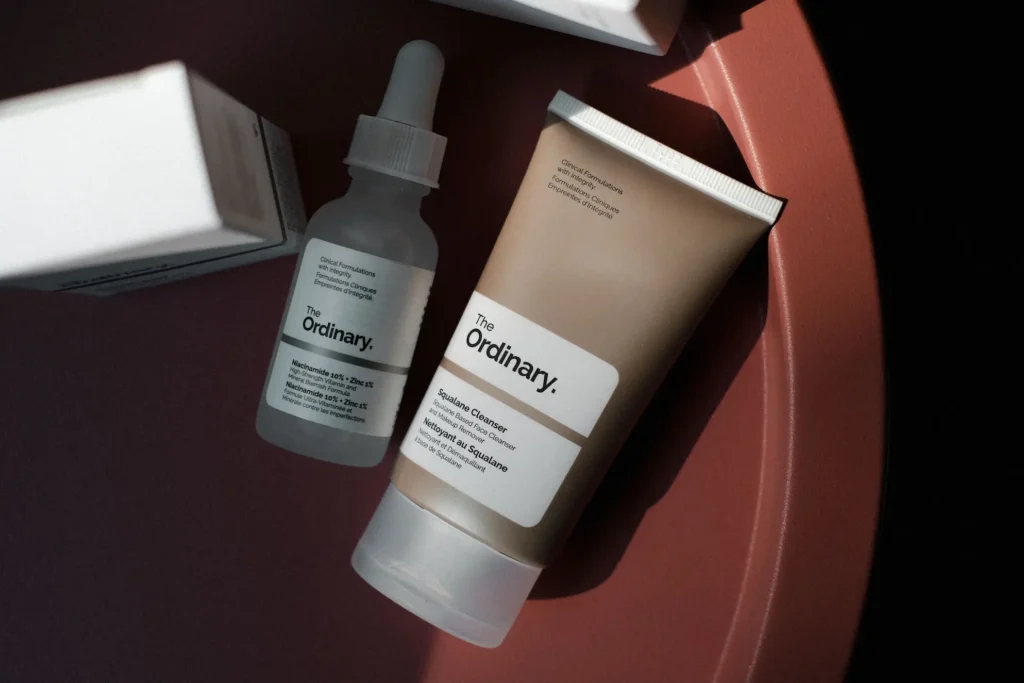
- Niacinamide + Zinc Serum
Lightweight Moisturizer
A lightweight moisturizer helps maintain hydration without clogging pores.
Look for ingredients such as:
- Ceramides
- Glycerin
- Hyaluronic Acid
Daily Sunscreen
Choose a sunscreen that is:
- SPF 30+
- Broad-spectrum
- Lightweight
- Non-comedogenic
Dermatologist Tips
Dermatologists generally recommend keeping your skincare routine simple rather than using too many products at once.
For beginners:
- Start with a gentle cleanser.
- Introduce one active ingredient at a time.
- Moisturize consistently.
- Apply sunscreen every morning.
- Give new products at least 6–8 weeks before judging their effectiveness.
This approach reduces irritation while making it easier to identify which products are working for your skin.
Trusted External Resources
For more evidence-based skincare recommendations, refer to:
- American Academy of Dermatology (AAD) – Acne: How to Treat Different Types of Acne
https://www.aad.org/public/diseases/acne - Mayo Clinic – Acne: Symptoms and Causes
https://www.mayoclinic.org/diseases-conditions/acne
Common Skincare Mistakes to Avoid
Even the best skincare products may not deliver results if they’re used incorrectly. Here are some common mistakes people with acne-prone skin should avoid.
1. Washing Your Face Too Often
Cleansing more than twice a day can strip the skin’s natural oils, leading to dryness and increased oil production.
Instead, cleanse your face:
- Morning
- Evening
- After heavy sweating (if necessary)
2. Using Too Many Active Ingredients
Combining several strong ingredients in one routine may increase irritation.
Avoid using multiple exfoliating products together unless recommended by a dermatologist.
For beginners, introduce one active ingredient at a time.
3. Skipping Moisturizer
Many people believe moisturizer causes acne.
In reality, a lightweight, non-comedogenic moisturizer helps maintain a healthy skin barrier and reduces irritation from acne treatments.
4. Forgetting Sunscreen
Without daily sunscreen, post-acne marks can become darker and take longer to fade.
Even if you spend most of your day indoors, UV exposure through windows can still contribute to skin damage.
5. Expecting Overnight Results
Most acne treatments require consistent use.
Visible improvements typically appear after 6 to 12 weeks, depending on the product and the severity of acne.
Patience and consistency are key to achieving healthier skin.
Frequently Asked Questions
What is the best skincare routine for acne-prone skin?
A simple routine includes:
- Gentle cleanser
- Treatment serum (such as niacinamide or salicylic acid)
- Lightweight moisturizer
- Broad-spectrum sunscreen during the day
At night, replace sunscreen with an appropriate acne treatment if needed.
Should I moisturize if I have oily acne-prone skin?
Yes.
Skipping moisturizer can weaken the skin barrier and may cause your skin to produce even more oil. Choose an oil-free, non-comedogenic moisturizer designed for acne-prone skin.
Can I use niacinamide every day?
Yes.
Niacinamide is generally well tolerated and can be used both morning and evening. It helps control oil production, reduce redness, and strengthen the skin barrier.
Learn more in our Niacinamide Guide.
Can I use salicylic acid every day?
Many people can, but beginners should start slowly.
If dryness or irritation occurs, reduce the frequency to two or three times per week before gradually increasing use.
Which is better for acne: niacinamide or benzoyl peroxide?
They serve different purposes.
- Niacinamide helps regulate oil, reduce redness, and improve the skin barrier.
- Benzoyl Peroxide targets acne-causing bacteria and is more effective for inflamed pimples.
They may be used in the same routine if your skin tolerates them, but introduce them gradually.
How long does it take to see results?
Most people notice improvements after 6–12 weeks of consistent skincare.
Avoid switching products too frequently, as this can make it difficult to determine what is working.
Can sunscreen make acne worse?
Not if you choose the right formula.
Look for sunscreens labeled:
- Non-comedogenic
- Oil-free
- Lightweight
- Broad-spectrum SPF 30+
These formulations are designed to minimize the risk of clogged pores.
When should I see a dermatologist?
Consult a dermatologist if:
- Acne is painful or cystic.
- Over-the-counter products have not helped after several months.
- Acne is causing permanent scarring.
- Breakouts significantly affect your quality of life.
Professional treatment may include prescription topical or oral medications tailored to your condition.
Final Thoughts
The best skincare routine for acne-prone skin doesn’t need to be complicated.
A consistent routine built around gentle cleansing, effective active ingredients, hydration, and daily sun protection can help reduce breakouts while supporting a healthier skin barrier.
Remember that every skin type is different. Introduce new products gradually, avoid using too many active ingredients at once, and give your skincare routine enough time to show results.
With patience and consistency, you can build a routine that supports clearer, healthier-looking skin over the long term.
Related Guides
If you found this guide helpful, you may also like:
- Acne-Prone Skin Hub
- Best Face Wash for Oily Acne-Prone Skin
- Niacinamide Guide
- Salicylic Acid Guide
- Benzoyl Peroxide Guide
- Retinol Guide
- Vitamin C Guide
- Best Niacinamide Serums
- Best Moisturizers
- Best Sunscreens
- Best Sunscreens for Sensitive Skin
- Niacinamide vs Vitamin C: Which One Is Better for Acne Marks?
References
The recommendations in this guide are based on evidence from reputable medical organizations:
- American Academy of Dermatology (AAD): Acne treatment recommendations
https://www.aad.org/public/diseases/acne - Mayo Clinic: Acne overview and treatment options
https://www.mayoclinic.org/diseases-conditions/acne - National Institute of Arthritis and Musculoskeletal and Skin Diseases (NIAMS): Acne information
https://www.niams.nih.gov/health-topics/acne