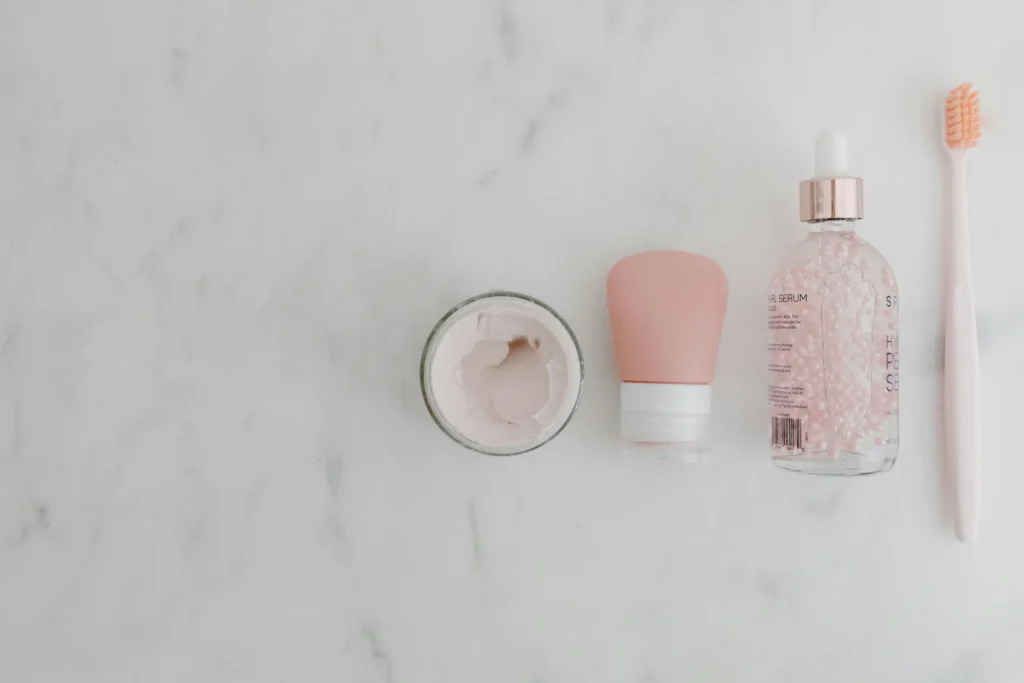
Building a skincare routine for acne-prone skin can feel overwhelming, especially with so many cleansers, serums, exfoliators, and acne treatments available today. Many people with oily or breakout-prone skin struggle to find products that reduce acne without causing dryness, irritation, or clogged pores.
The good news is that an effective skincare routine does not need to be complicated. A consistent routine using gentle, non-comedogenic skincare products may help improve excess oil, clogged pores, blackheads, and breakouts over time.
In this 2026 guide, we explain how to build the best skincare routine for acne-prone skin, including cleansers, toners, moisturizers, exfoliators, sunscreen, and dermatologist-inspired skincare tips for oily and acne-prone skin.
Please see related artikel:
American Academy of Dermatology acne skincare tips
Cleveland Clinic skincare routine guide
Why Acne-Prone Skin Needs a Proper Skincare Routine
Acne-prone skin often produces excess oil and may be more sensitive to pore-clogging ingredients, harsh scrubs, and over-exfoliation.
A balanced skincare routine may help:
- reduce excess oil,
- improve clogged pores,
- support the skin barrier,
- minimize blackheads and whiteheads,
- improve overall skin texture.
Consistency is often more important than using too many active ingredients at once.
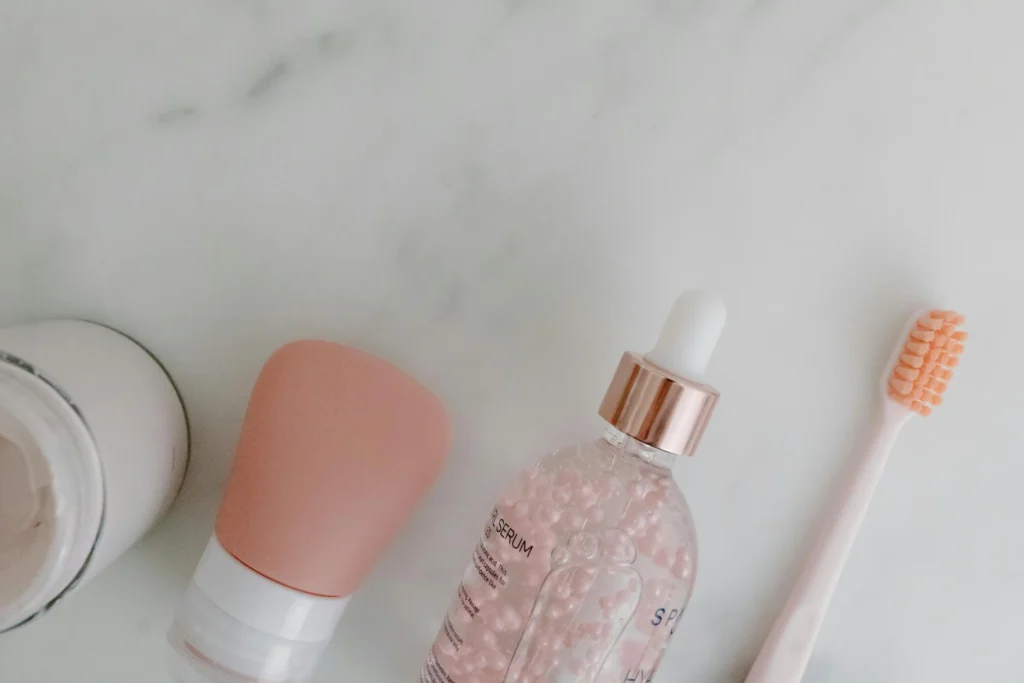
Morning Skincare Routine for Acne-Prone Skin
Step 1 — Gentle Cleanser
Start with a gentle cleanser designed for oily or acne-prone skin.
Look for:
- non-comedogenic formulas,
- lightweight textures,
- salicylic acid or niacinamide (optional).
A gentle cleanser may help remove excess oil and impurities without damaging the skin barrier.
People with oily skin often choose dermatologist-inspired face washes that help reduce shine and clogged pores.
Step 2 — Toner (Optional)
Toners may help hydrate the skin or improve excess oil depending on the ingredients used.
The best toners for acne-prone skin often contain:
- niacinamide,
- salicylic acid,
- soothing ingredients,
- alcohol-free formulas.
Avoid harsh toners that cause excessive dryness or irritation.
Step 3 — Serum
Serums are commonly used to target specific skincare concerns.
Popular serum ingredients for acne-prone skin include:
- niacinamide,
- salicylic acid,
- hyaluronic acid,
- vitamin C.
The best serums for acne-prone skin are usually lightweight and non-comedogenic.
Step 4 — Moisturizer
Even oily skin needs hydration.
Skipping moisturizer may actually increase oil production in some people.
Look for:
- lightweight gel moisturizers,
- oil-free formulas,
- non-comedogenic ingredients.
The best moisturizers for acne-prone skin help support the skin barrier without feeling greasy.
Step 5 — Sunscreen
Daily sunscreen is one of the most important steps in any skincare routine.
UV exposure may worsen:
- acne marks,
- dark spots,
- skin irritation,
- premature aging.
The best sunscreens for oily skin are lightweight, non-greasy, and designed for acne-prone skin.
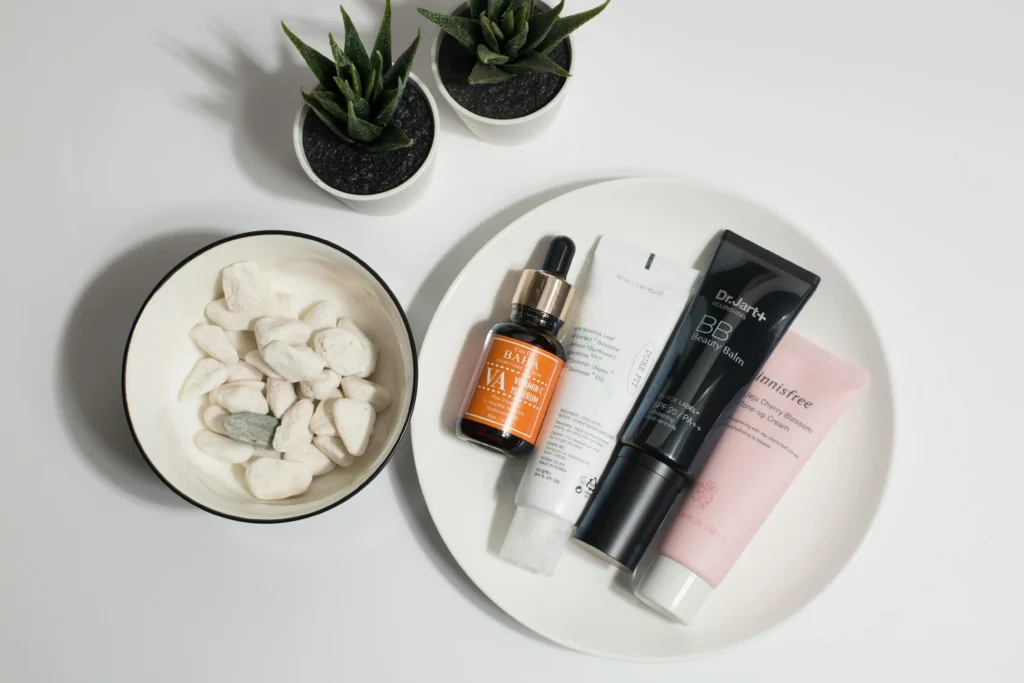
Evening Skincare Routine for Acne-Prone Skin
Step 1 — Cleanser
Cleanse the skin again to remove sunscreen, dirt, and excess oil accumulated throughout the day.
Step 2 — Exfoliator (2–3 Times Weekly)
Exfoliation may help improve:
- clogged pores,
- blackheads,
- rough skin texture.
Popular exfoliating ingredients include:
- salicylic acid,
- glycolic acid,
- lactic acid.
The best exfoliators for acne-prone skin use gentle chemical exfoliation rather than harsh physical scrubs.
Step 3 — Treatment Products
Treatment products may target:
- active acne,
- dark spots,
- uneven texture,
- acne scars.
Common ingredients:
- retinol,
- benzoyl peroxide,
- salicylic acid,
- niacinamide.
Start slowly to avoid irritation.
Step 4 — Moisturizer
Nighttime moisturizers help support hydration and skin barrier recovery.
Best Ingredients for Acne-Prone Skin
Salicylic Acid
Helps unclog pores and reduce excess oil.
Niacinamide
Helps improve redness, oiliness, and skin barrier support.
Retinol
May improve acne, uneven texture, and fine lines.
Hyaluronic Acid
Helps maintain hydration without feeling heavy.
Vitamin C
May help improve dull skin and dark spots caused by acne.
Common Skincare Mistakes to Avoid
Over-Exfoliating
Using too many exfoliating acids can damage the skin barrier.
Skipping Sunscreen
Daily SPF is essential for protecting acne-prone skin.
Using Harsh Scrubs
Physical scrubs may worsen inflammation and irritation.
Trying Too Many Products at Once
Introduce new products slowly to monitor skin reactions.
Recommended Beginner Routine
Morning
- Gentle cleanser
- Toner (optional)
- Lightweight serum
- Moisturizer
- Sunscreen SPF 30+
Evening
- Cleanser
- Exfoliator (2–3 times weekly)
- Treatment serum
- Moisturizer
FAQ
What is the best skincare routine for acne-prone skin?
A simple routine including cleanser, moisturizer, sunscreen, and targeted treatment products is often recommended for acne-prone skin.
Should oily skin use moisturizer?
Yes. Oily skin still needs hydration to support the skin barrier.
Is salicylic acid good for acne-prone skin?
Yes. Salicylic acid is commonly used to help unclog pores and reduce excess oil.
How often should I exfoliate acne-prone skin?
Most people benefit from exfoliating 2–3 times per week.
Can sunscreen help acne-prone skin?
Yes. Sunscreen helps protect the skin barrier and may help reduce dark spots caused by acne.
Final Thoughts
Building the best skincare routine for acne-prone skin does not require dozens of products. A simple, consistent routine using gentle cleansers, lightweight moisturizers, sunscreen, and carefully selected active ingredients may help improve oily skin, clogged pores, blackheads, and breakouts over time.
The key is consistency, patience, and choosing skincare products designed for acne-prone and oily skin types.
Please see related artikel:
best face wash for acne-prone skin
best moisturizer for acne-prone skin
best exfoliators for acne-prone skin
best sunscreen for oily skin