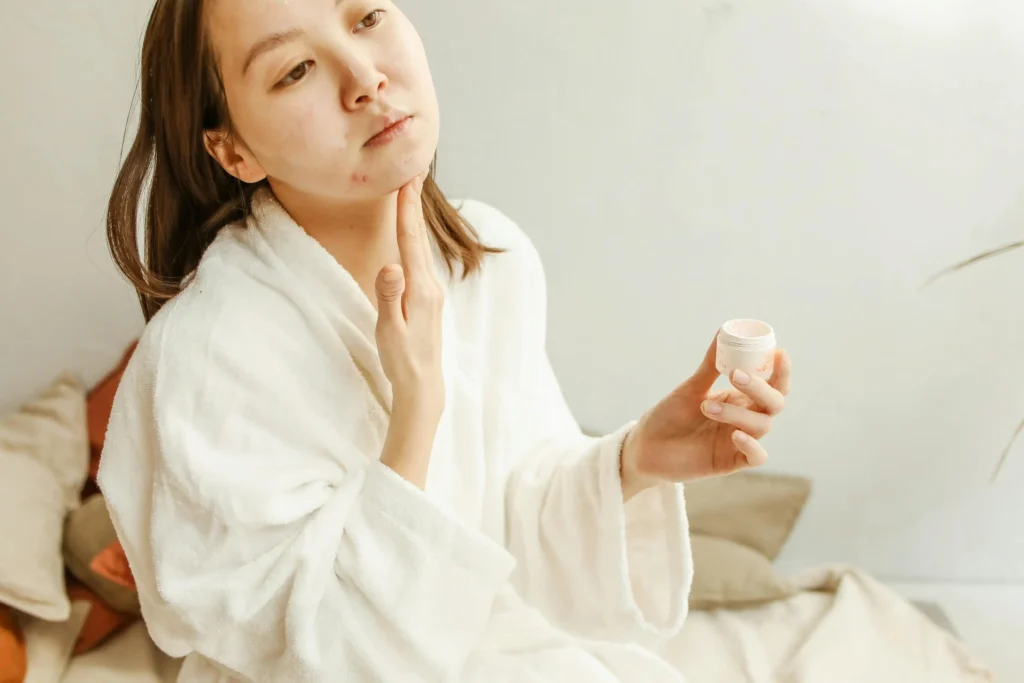
Exfoliation is one of the most effective ways to reduce clogged pores, blackheads, acne scars, and rough texture. However, choosing the wrong exfoliator can damage your skin barrier and trigger even more breakouts.
The best exfoliators for acne-prone skin contain ingredients like salicylic acid, lactic acid, glycolic acid, or polyhydroxy acids (PHAs) that help remove dead skin cells without causing excessive irritation.
In this 2026 guide, we reviewed the best chemical and physical exfoliators for acne-prone skin, oily skin, and sensitive skin.
Quick Comparison Table
| Product | Best For | Type |
| Paula’s Choice 2% BHA Liquid | Blackheads & pores | Chemical |
| The Ordinary Lactic Acid 5% | Sensitive skin | Chemical |
| COSRX BHA Blackhead Power Liquid | Oily skin | Chemical |
| Drunk Elephant T.L.C. Sukari Babyfacial | Acne scars | Chemical |
| Some By Mi AHA BHA PHA Toner | Beginner exfoliation | Chemical |
| Dermalogica Daily Microfoliant | Gentle exfoliation | Physical |
| PanOxyl Clarifying Exfoliant | Active acne | Chemical |
7 Best Exfoliators for Acne-Prone Skin
1. Paula’s Choice 2% BHA Liquid Exfoliant
Best overall exfoliator for acne-prone skin.
Benefits:
- Unclogs pores
- Reduces blackheads
- Controls oil
- Smooths texture
2. The Ordinary Lactic Acid 5%
Best exfoliator for sensitive acne-prone skin.
This gentle exfoliating serum improves texture and dullness without causing severe irritation.
3. COSRX BHA Blackhead Power Liquid
Best Korean exfoliator for acne-prone skin.
Helps dissolve excess sebum and reduce blackheads.
4. Drunk Elephant T.L.C. Sukari Babyfacial
Best exfoliator for acne scars and uneven texture.
This powerful treatment combines AHAs and BHAs for smoother skin.
5. Some By Mi AHA BHA PHA Miracle Toner
Best beginner-friendly exfoliator.
Works well for mild acne and rough texture.
6. Dermalogica Daily Microfoliant
Best gentle physical exfoliator.
Unlike harsh scrubs, this rice-based powder exfoliates gently.
7. PanOxyl Clarifying Exfoliant
Best exfoliator for active acne breakouts.
Contains salicylic acid to reduce clogged pores and acne.
Chemical vs Physical Exfoliation
Chemical Exfoliation
Uses acids like:
- Salicylic acid
- Glycolic acid
- Lactic acid
Benefits:
- More effective for acne
- Less abrasive
- Better for clogged pores
Physical Exfoliation
Uses particles or scrubs.
Can be useful if:
- gentle,
- non-abrasive,
- not overused.
Most dermatologists prefer chemical exfoliation for acne-prone skin.
How Often Should You Exfoliate Acne-Prone Skin?
Most people should exfoliate:
- 1–3 times weekly.
Over-exfoliating can:
- damage skin barrier,
- increase redness,
- worsen acne,
- cause irritation.
Always follow exfoliation with:
- moisturizer,
- sunscreen.
You can combine exfoliation with:
- Best Toners for Acne-Prone Skin
- Best Serum for Acne-Prone Skin
- Best Sunscreen for Oily Skin
- Best Moisturizer for Acne-Prone Skin
Frequently Asked Questions
Is exfoliation good for acne?
Yes. Proper exfoliation helps unclog pores and reduce acne-causing buildup.
Which acid is best for acne-prone skin?
Salicylic acid is one of the best exfoliating ingredients for acne-prone skin.
Can exfoliating make acne worse?
Over-exfoliating or using harsh scrubs can irritate the skin and worsen breakouts.
How long does exfoliation take to work?
Most people notice smoother skin within several weeks of consistent use.
Final Verdict
The best exfoliator for acne-prone skin depends on your skin sensitivity and acne concerns. Paula’s Choice 2% BHA Liquid remains one of the most dermatologist-recommended options for clogged pores and oily skin.
For beginners or sensitive skin, gentler exfoliants like lactic acid or PHA-based formulas may work better.
Using exfoliation correctly can improve acne, texture, blackheads, and acne scars over time.