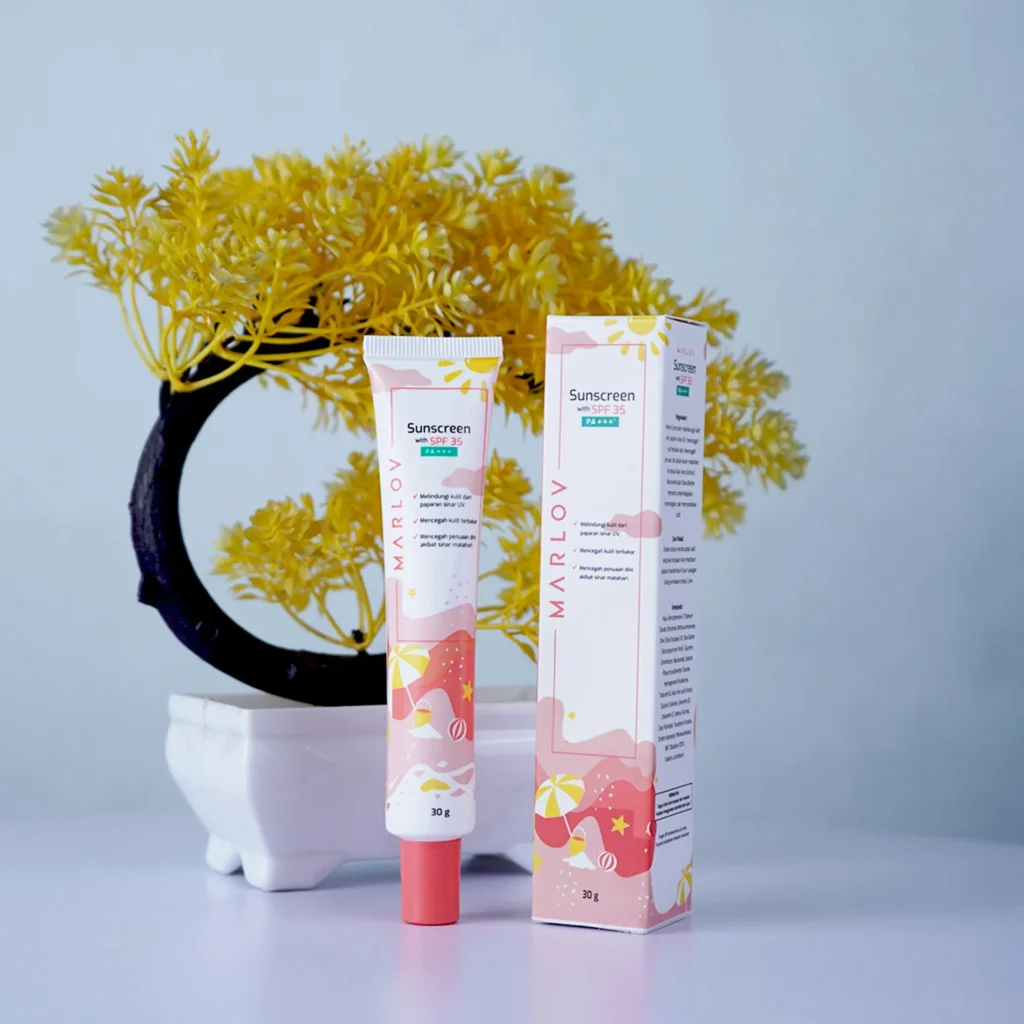
Finding the best sunscreen for acne-prone skin can be difficult. Many SPF products feel greasy, clog pores, or trigger breakouts. Fortunately, modern sunscreens in 2026 are lighter, more advanced, and specifically designed for oily and acne-prone skin types.
Dermatologists recommend using sunscreen daily to protect the skin from UV damage, acne scars, dark spots, and premature aging. The key is choosing a non-comedogenic sunscreen that won’t block pores or worsen acne.
In this guide, we’ll cover the best sunscreens for acne-prone skin, important ingredients to look for, and how to avoid common SPF mistakes.
Why Acne-Prone Skin Still Needs Sunscreen
Many people with acne skip sunscreen because they fear breakouts. However, sun exposure can actually make acne marks and inflammation worse.
Daily SPF helps:
- Prevent post-acne dark spots
- Reduce redness
- Protect the skin barrier
- Prevent premature aging
- Reduce irritation from acne treatments
If you use retinol, salicylic acid, or benzoyl peroxide, sunscreen becomes even more important.
What to Look for in Sunscreen for Acne-Prone Skin
1. Non-Comedogenic Formula
Choose sunscreens labeled:
- non-comedogenic
- oil-free
- lightweight
These are less likely to clog pores.
2. Broad Spectrum SPF 30 or Higher
Broad-spectrum sunscreen protects against both UVA and UVB rays.
Dermatologists generally recommend SPF 30 or higher for daily use.
3. Lightweight Texture
Gel, fluid, or watery sunscreens often work best for oily and acne-prone skin.
4. Fragrance-Free Options
Fragrance may irritate inflamed or sensitive acne-prone skin.
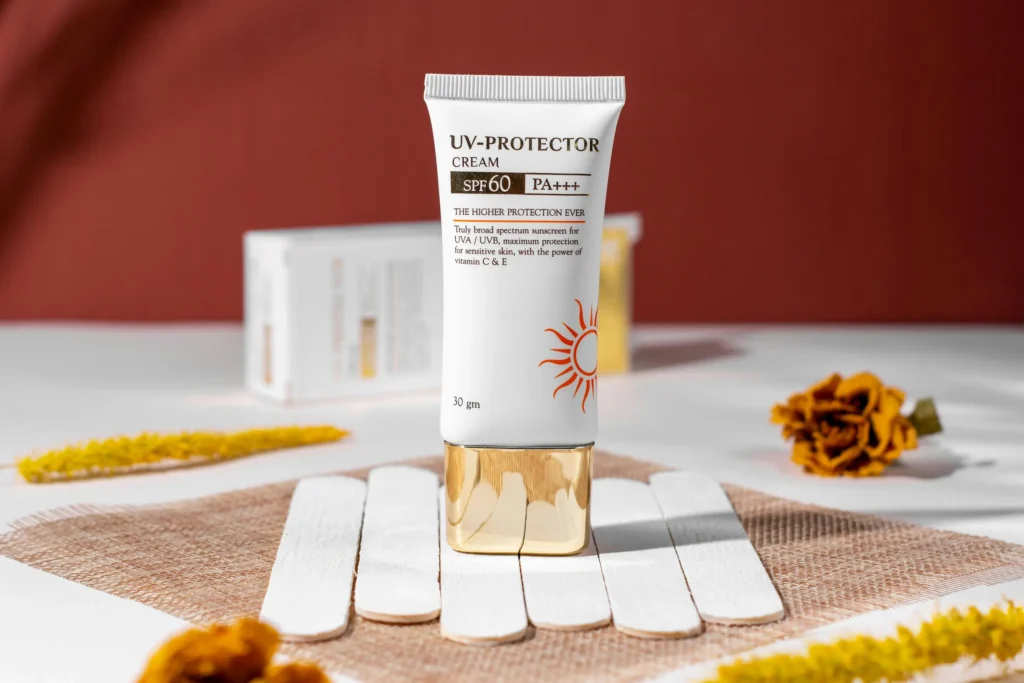
Best Sunscreens for Acne-Prone Skin in 2026
1. EltaMD UV Clear SPF 46
One of the most dermatologist-recommended sunscreens for acne-prone and sensitive skin.
Key ingredients:
- Niacinamide
- Hyaluronic acid
Best for:
- Acne-prone skin
- Redness
- Sensitive skin
2. La Roche-Posay Anthelios UVMune 400
Lightweight fluid sunscreen with strong UVA protection.
Best for:
- Oily skin
- Daily wear
- Humid climates
3. Beauty of Joseon Relief Sun SPF 50+
A lightweight Korean sunscreen with rice extract and probiotics.
Best for:
- Combination skin
- Hydration without greasiness
4. Neutrogena Clear Face Sunscreen SPF 50
Designed specifically for acne-prone skin.
Best for:
- Sports
- Oily skin
- Affordable skincare routines
5. ISDIN Eryfotona Actinica SPF 50+
Ultra-light texture with advanced UV protection.
Best for:
- Sun damage prevention
- Sensitive acne-prone skin
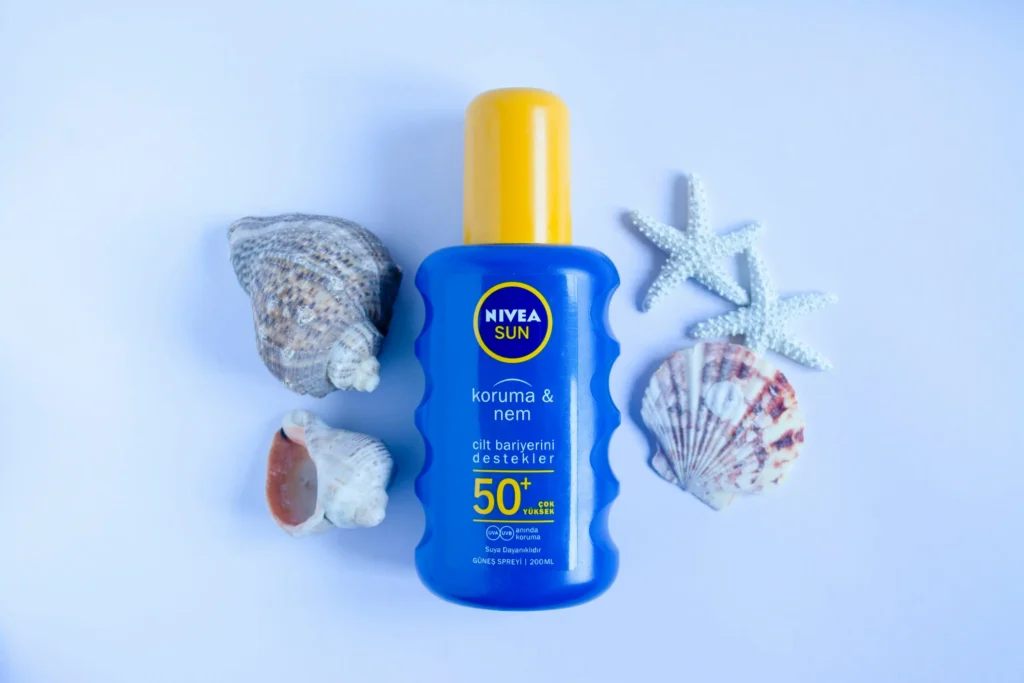
Mineral vs Chemical Sunscreen for Acne
Mineral Sunscreen
Contains:
- Zinc oxide
- Titanium dioxide
Benefits:
- Gentle for sensitive skin
- Less irritating
Potential downside:
- May leave white cast
Chemical Sunscreen
Contains UV filters that absorb sunlight.
Benefits:
- Lightweight
- Invisible finish
- Better under makeup
Potential downside:
- May irritate very sensitive skin
Common Sunscreen Mistakes
Using Too Little SPF
Most people apply less sunscreen than needed.
Skipping Reapplication
Reapply every 2 hours when outdoors.
Only Using SPF at the Beach
UV exposure happens daily — even indoors near windows.
Avoiding Moisturizer
Acne-prone skin still needs hydration.
How to Layer Sunscreen in Your Skincare Routine
Morning routine order:
- Cleanser
- Serum
- Moisturizer
- Sunscreen
Sunscreen should always be the final skincare step before makeup.
Final Thoughts
The best sunscreen for acne-prone skin in 2026 should be lightweight, non-comedogenic, and comfortable enough for daily use. Modern SPF formulas can protect your skin without causing breakouts or excess oil.
Using sunscreen consistently can help prevent acne scars, dark spots, and premature aging while supporting a healthier skin barrier.