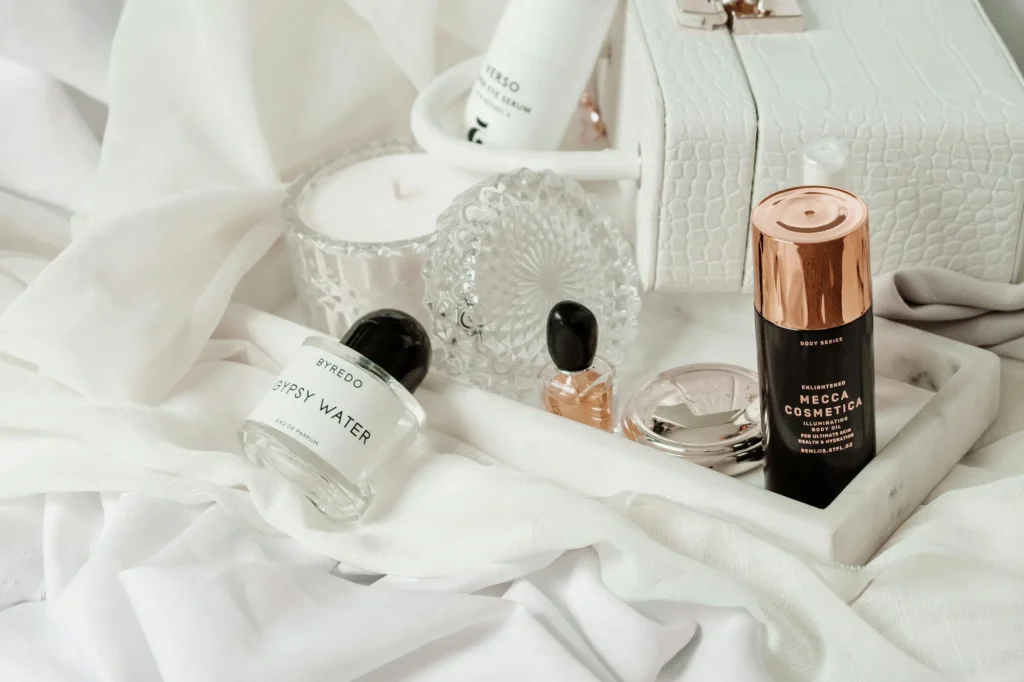
Starting your day with the right morning skincare routine is one of the simplest ways to maintain healthy, glowing skin. While many people focus on nighttime skincare, your morning routine is just as important because it prepares your skin to face environmental stressors such as UV rays, pollution, dirt, sweat, and excess oil throughout the day.
A proper morning skincare routine doesn’t need to involve ten different products. Instead, it’s about using the right products in the correct order to protect your skin barrier, maintain hydration, and support long-term skin health.
Whether you’re a beginner building your first skincare routine or looking to improve your existing regimen, this comprehensive guide will walk you through each step, explain why it matters, and help you choose products based on your skin type.
By the end of this guide, you’ll know exactly what products to use, what order to apply them, and which common mistakes to avoid.
Table of Contents
- Why Is a Morning Skincare Routine Important?
- The Correct Morning Skincare Routine Order
- Step 1: Cleanser
- Step 2: Toner (Optional)
- Step 3: Serum
- Step 4: Eye Cream (Optional)
- Step 5: Moisturizer
- Step 6: Sunscreen (Most Important Step)
- Morning Routine by Skin Type
- Common Morning Skincare Mistakes
- Frequently Asked Questions
- Editor’s Product Picks
- Key Takeaways
Why Is a Morning Skincare Routine Important?
Your skin works hard overnight to repair itself. During sleep, skin produces natural oils, sheds dead skin cells, and undergoes repair processes that help maintain a healthy skin barrier.
When you wake up, your face may have:
- Excess sebum
- Sweat
- Dead skin cells
- Overnight skincare residue
- Bacteria accumulated from your pillowcase
A proper morning routine removes these impurities while preparing your skin for the day ahead.
More importantly, daytime skincare focuses on protection rather than repair.
Every day, your skin is exposed to:
- Ultraviolet (UV) radiation
- Blue light from digital devices
- Air pollution
- Dust
- Heat and humidity
- Free radicals
- Dry indoor air
Without proper skincare—especially sunscreen—these factors can contribute to premature aging, uneven skin tone, dehydration, hyperpigmentation, and a weakened skin barrier.
A consistent morning routine helps your skin stay healthier over time while maximizing the effectiveness of your skincare products.

Benefits of Following a Morning Skincare Routine
Sticking to a daily skincare routine offers both immediate and long-term benefits.
Protects Against UV Damage
Daily sunscreen helps reduce the risk of:
- Sunburn
- Dark spots
- Premature wrinkles
- Fine lines
- Collagen breakdown
- Skin cancer caused by excessive UV exposure
Even on cloudy days, ultraviolet rays can penetrate through clouds and windows, making sunscreen a year-round essential.
Maintains Skin Hydration
Hydrated skin looks smoother, softer, and healthier.
Using lightweight moisturizers and hydrating serums helps:
- Reduce moisture loss
- Strengthen the skin barrier
- Improve skin elasticity
- Minimize dryness
- Support smoother makeup application
Prevents Premature Aging
Environmental stress generates free radicals that gradually damage collagen and elastin.
Antioxidants such as Vitamin C help defend against oxidative stress while sunscreen prevents further UV-induced aging.
Together, these products become one of the most effective anti-aging combinations.
Helps Control Excess Oil
People with oily skin often skip moisturizer because they fear making their skin greasier.
In reality, dehydrated skin may produce even more oil to compensate.
A balanced morning routine helps regulate oil production while keeping the skin hydrated.
Creates the Perfect Base for Makeup
Clean, hydrated skin allows makeup to:
- Blend more evenly
- Last longer
- Appear smoother
- Prevent cakey foundation
- Reduce patchiness
Many professional makeup artists emphasize that skincare is the foundation of beautiful makeup.
The Correct Morning Skincare Routine Order
Applying products in the correct order ensures each one can absorb properly and deliver the best results.
| Step | Product | Required? | Purpose |
|---|---|---|---|
| 1 | Cleanser | ✔ Yes | Remove oil and impurities |
| 2 | Toner | Optional | Add hydration and prep skin |
| 3 | Serum | ✔ Recommended | Target specific skin concerns |
| 4 | Eye Cream | Optional | Hydrate delicate eye area |
| 5 | Moisturizer | ✔ Yes | Lock in hydration |
| 6 | Sunscreen (SPF 30+) | Essential | Protect against UV damage |
A simple rule to remember is:
Apply products from the lightest consistency to the thickest consistency.
This allows each layer to absorb effectively without preventing subsequent products from penetrating the skin.
Morning Skincare Routine at a Glance
For most people, the routine can be summarized as:
- Cleanser
- Toner (optional)
- Serum
- Eye Cream (optional)
- Moisturizer
- Sunscreen
If you wear makeup, sunscreen should always be your final skincare step before applying primer or foundation.
How Long Should a Morning Skincare Routine Take?
One common misconception is that effective skincare requires a lengthy routine.
In reality, most people can complete their morning skincare routine in just 5–10 minutes.
Here’s a typical timeline:
| Step | Approximate Time |
| Cleansing | 1 minute |
| Toner | 30 seconds |
| Serum | 1 minute |
| Eye Cream | 30 seconds |
| Moisturizer | 1 minute |
| Sunscreen | 1 minute |
| Wait before makeup | 2–3 minutes |
Consistency is far more important than using many products. A simple routine followed every morning often delivers better long-term results than an elaborate routine performed inconsistently.

Who Should Follow a Morning Skincare Routine?
A morning skincare routine benefits nearly everyone, regardless of age or skin type.
It is especially recommended for:
- Beginners starting a skincare routine
- Teenagers managing oily or acne-prone skin
- Adults concerned about premature aging
- Individuals with dry or dehydrated skin
- People with sensitive skin who need barrier protection
- Anyone who spends time outdoors
- Office workers exposed to indoor air conditioning
- Makeup users who want a smoother base
The exact products may vary depending on your skin’s needs, but the overall sequence remains largely the same.
In the next section, we’ll break down each step of the routine in detail, including how to choose the right cleanser, toner, serum, moisturizer, and sunscreen for your skin type, along with expert tips to maximize your results.
Step 1: Cleanser — Start with a Fresh Canvas
Cleansing is the foundation of every effective morning skincare routine. Although your skin isn’t exposed to makeup or outdoor pollutants overnight, it still accumulates sweat, excess oil (sebum), dead skin cells, and residue from your nighttime skincare products.
Using a gentle cleanser every morning helps remove these impurities without stripping away your skin’s natural protective barrier.
How to Choose the Right Cleanser
Not every cleanser works for every skin type. Choosing the right formula can make a significant difference in your skin’s appearance and comfort.
| Skin Type | Recommended Cleanser |
|---|---|
| Oily Skin | Foaming cleanser |
| Acne-Prone Skin | Salicylic acid cleanser |
| Dry Skin | Cream or hydrating cleanser |
| Sensitive Skin | Fragrance-free gentle cleanser |
| Combination Skin | Low-pH gel cleanser |
Tips for Cleansing
- Wash your face with lukewarm water.
- Avoid hot water, which can dry out the skin.
- Massage the cleanser gently for 30–60 seconds.
- Rinse thoroughly.
- Pat your skin dry with a clean towel instead of rubbing.
Common Mistake: Over-cleansing or using harsh cleansers can damage your skin barrier and lead to irritation or increased oil production.
Step 2: Toner (Optional but Helpful)
Modern toners are very different from the alcohol-based formulas of the past. Today’s toners are designed primarily to hydrate, soothe, and prepare your skin for the next skincare steps.
While toner isn’t essential for everyone, it can provide additional hydration and improve the absorption of serums and moisturizers.
Benefits of Toner
- Adds lightweight hydration
- Refreshes the skin
- Helps calm redness
- Balances skin comfort
- Supports the skin barrier
Ingredients to Look For
- Hyaluronic Acid
- Glycerin
- Panthenol (Vitamin B5)
- Centella Asiatica
- Aloe Vera
- Green Tea Extract
Ingredients to Avoid (Especially for Sensitive Skin)
- High concentrations of alcohol
- Artificial fragrance
- Strong essential oils if you’re prone to irritation
Apply toner using clean hands or a soft cotton pad, then allow it to absorb before moving to the next step.
Step 3: Serum — Target Your Skin Concerns
Serums contain concentrated active ingredients that address specific skin concerns. They are usually lightweight, absorb quickly, and deliver beneficial ingredients deeper into the skin than moisturizers alone.
For a morning skincare routine, antioxidant serums are often the best choice.
Why Vitamin C Is a Morning Favorite
Vitamin C is one of the most researched antioxidant ingredients in skincare.
Benefits include:
- Brightens dull skin
- Helps fade post-acne marks
- Supports collagen production
- Protects against environmental stress
- Improves uneven skin tone
When paired with sunscreen, Vitamin C provides an extra layer of defense against free radical damage caused by UV exposure and pollution.
Other Great Morning Serum Ingredients
| Ingredient | Best For |
| Vitamin C | Brightening |
| Niacinamide | Oil control & pores |
| Hyaluronic Acid | Hydration |
| Peptides | Early signs of aging |
| Ceramides | Skin barrier support |
Apply only a few drops to clean skin and gently press the serum into your face instead of rubbing aggressively.
Step 4: Eye Cream (Optional)
The skin around your eyes is thinner and more delicate than the rest of your face. While not everyone needs an eye cream, it can be beneficial if you experience:
- Puffiness
- Dryness
- Fine lines
- Dark circles
Choose lightweight formulas that absorb easily without interfering with sunscreen or makeup.
Helpful ingredients include:
- Caffeine
- Peptides
- Hyaluronic Acid
- Ceramides
Apply a tiny amount using your ring finger, which naturally applies the least pressure.
Step 5: Moisturizer — Lock In Hydration
Many people mistakenly believe moisturizers are only necessary for dry skin.
In reality, every skin type benefits from daily moisturizing.
Moisturizers help:
- Prevent water loss
- Strengthen the skin barrier
- Reduce irritation
- Improve skin texture
- Keep skin comfortable throughout the day
Choosing the Right Moisturizer
| Skin Type | Recommended Formula |
| Oily | Lightweight gel |
| Combination | Gel-cream |
| Dry | Rich cream |
| Sensitive | Fragrance-free cream |
| Mature | Ceramide-rich cream |
Key Ingredients
- Ceramides
- Squalane
- Glycerin
- Hyaluronic Acid
- Panthenol
- Cholesterol
- Fatty acids
If your skin feels greasy after moisturizing, you may be using too much product rather than the wrong product.
Step 6: Sunscreen — The Most Important Step
If you only commit to one skincare habit every morning, make it sunscreen.
Dermatologists consistently agree that sunscreen is the single most effective anti-aging skincare product.
Daily sunscreen helps protect your skin from:
- UVB damage
- UVA damage
- Hyperpigmentation
- Premature wrinkles
- Sunburn
- Collagen breakdown
- Skin cancer associated with excessive UV exposure
Which SPF Should You Choose?
For everyday use:
- SPF 30 is the minimum recommendation.
- SPF 50 provides additional protection, especially if you spend extended time outdoors.
Look for products labeled:
- Broad Spectrum
- UVA/UVB Protection
- PA+++ or PA++++ (depending on your region)
Mineral vs Chemical Sunscreen
| Mineral Sunscreen | Chemical Sunscreen |
| Zinc Oxide | Avobenzone |
| Titanium Dioxide | Uvinul A Plus |
| Works immediately | Needs about 15 minutes before sun exposure |
| Better for sensitive skin | Often feels lighter on the skin |
| May leave a white cast | Usually invisible after application |
Both types are effective when applied correctly.
How Much Sunscreen Should You Apply?
A common mistake is applying too little sunscreen.
Most adults should use approximately:
- Two-finger rule for the face and neck
- About 1/4 teaspoon for the face alone
Reapply every two hours if you are outdoors, sweating, or swimming.
Morning Skincare Routine by Skin Type
Although the basic steps remain the same, your product choices should match your skin type.
Oily Skin
Goals:
- Control excess oil
- Prevent clogged pores
- Maintain hydration
Recommended routine:
- Foaming cleanser
- Niacinamide serum
- Lightweight gel moisturizer
- Oil-free sunscreen
Dry Skin
Goals:
- Restore moisture
- Strengthen the skin barrier
- Prevent flaking
Recommended routine:
- Hydrating cleanser
- Moisturizing toner
- Hyaluronic Acid serum
- Rich cream moisturizer
- Hydrating sunscreen
Combination Skin
Goals:
- Balance oily and dry areas
Recommended routine:
- Gentle gel cleanser
- Hydrating serum
- Gel-cream moisturizer
- Lightweight sunscreen
Acne-Prone Skin
Goals:
- Prevent breakouts
- Reduce inflammation
- Avoid clogged pores
Recommended routine:
- Salicylic acid cleanser
- Niacinamide serum
- Non-comedogenic moisturizer
- Oil-free sunscreen
Avoid layering too many active ingredients in the morning, as this may increase irritation.
Sensitive Skin
Goals:
- Minimize irritation
- Protect the skin barrier
- Reduce redness
Recommended routine:
- Gentle fragrance-free cleanser
- Centella toner
- Barrier-repair serum
- Ceramide moisturizer
- Mineral sunscreen
Introduce new skincare products one at a time and patch test before applying them to your entire face.
Common Morning Skincare Mistakes
Even high-quality products won’t perform well if used incorrectly. Here are some of the most common mistakes to avoid.
1. Skipping Sunscreen
This is the biggest skincare mistake and can undo the benefits of your entire routine.
2. Using Too Many Active Ingredients
Combining multiple strong ingredients unnecessarily can lead to irritation and compromise your skin barrier.
3. Applying Products in the Wrong Order
Layer products from the thinnest consistency to the thickest, finishing with sunscreen.
4. Using Too Much Product
Applying more product doesn’t necessarily improve results. Follow the recommended amount for each step.
5. Forgetting the Neck
Your neck is exposed to the same environmental factors as your face. Extend your moisturizer and sunscreen to this area.
6. Not Reapplying Sunscreen
Morning application alone may not provide sufficient protection if you’re outdoors for extended periods.
Morning vs. Night Skincare Routine
Many beginners wonder whether their morning and evening routines should be identical.
The answer is no. Each routine serves a different purpose.
| Morning Routine | Night Routine |
| Focuses on protection | Focuses on repair |
| Antioxidant serum | Retinol or exfoliating products (if suitable) |
| Lightweight moisturizer | Richer moisturizer if needed |
| Sunscreen is essential | Sunscreen is not needed |
| Prepares skin for environmental exposure | Supports overnight skin renewal |
Understanding this difference helps you choose the right products at the right time, ensuring your skincare routine works with your skin’s natural daily cycle rather than against it.
Editor’s Product Picks
Editor’s Note: The following section is designed for affiliate product recommendations. Replace these placeholders with your preferred products and affiliate links before publishing.
| Category | Recommended Product | Best For |
|---|---|---|
| Gentle Cleanser | Affiliate Product | All Skin Types |
| Vitamin C Serum | Affiliate Product | Brightening |
| Niacinamide Serum | Affiliate Product | Oily & Acne-Prone Skin |
| Hyaluronic Acid Serum | Affiliate Product | Dry Skin |
| Lightweight Moisturizer | Affiliate Product | Combination Skin |
| Ceramide Moisturizer | Affiliate Product | Dry & Sensitive Skin |
| Mineral Sunscreen SPF 50 | Affiliate Product | Sensitive Skin |
| Chemical Sunscreen SPF 50 | Affiliate Product | Daily Wear |
Editor’s Tip: Choose products that match your skin type rather than buying the most expensive options. A simple routine with consistent daily use often delivers better long-term results than an elaborate routine with too many products.
Key Takeaways
- A morning skincare routine protects your skin from UV rays, pollution, and environmental stress.
- Cleanser removes excess oil, sweat, and overnight skincare residue.
- Toner is optional but can provide extra hydration and prepare the skin for subsequent products.
- Serums target specific concerns such as dullness, dehydration, or excess oil.
- Moisturizer is essential for every skin type, including oily skin.
- Sunscreen is the most important morning skincare product and should be applied every day, regardless of the weather.
- Choose skincare products based on your skin type instead of following trends.
- Consistency matters more than using a large number of products.
Frequently Asked Questions (FAQ)
1. What is the correct order of a morning skincare routine?
The recommended order is:
- Cleanser
- Toner (optional)
- Serum
- Eye Cream (optional)
- Moisturizer
- Sunscreen
Always apply products from the lightest consistency to the thickest.
2. Do I need to wash my face in the morning?
Yes. Cleansing helps remove excess oil, sweat, bacteria, and skincare residue that accumulate overnight.
3. Can I skip moisturizer if I have oily skin?
No. Oily skin still needs hydration. Skipping moisturizer may cause your skin to produce even more oil to compensate for dehydration.
4. Is toner necessary?
Not always. Toner is optional, but hydrating formulas can improve skin comfort and prepare your skin for serums and moisturizers.
5. Which serum is best for the morning?
Vitamin C is one of the most popular morning serums because it brightens the skin, supports collagen production, and provides antioxidant protection. Niacinamide and hyaluronic acid are also excellent choices depending on your skin’s needs.
6. Should sunscreen be applied indoors?
Yes. UVA rays can penetrate windows, and incidental sun exposure can occur even when you’re inside. Daily sunscreen use is still recommended.
7. How much sunscreen should I apply?
Use approximately two finger lengths of sunscreen for your face and neck, or about 1/4 teaspoon for the face alone.
8. Can I wear makeup after sunscreen?
Yes. Allow your sunscreen to absorb for about 2–3 minutes before applying primer or makeup for the best finish.
Recommended Internal Links
Add links to the following articles on BestGlowCare to improve user navigation and strengthen your site’s topical authority:
- Skincare Basics Guide
- How to Build a Beginner Skincare Routine
- Night Skincare Routine: Step-by-Step Guide
- Best Sunscreens for Sensitive Skin
- Best Moisturizers for Dry Skin
- Best Face Wash for Oily Skin
- Niacinamide: Benefits & How to Use It
- Vitamin C Serum Guide
- How to Choose the Right Moisturizer
- Common Skincare Mistakes to Avoid
Recommended External References
Link to reputable sources that support skincare best practices:
- American Academy of Dermatology (AAD) – Daily skincare and sunscreen recommendations.
- Skin Cancer Foundation – Importance of daily sun protection.
- Cleveland Clinic – How to build an effective skincare routine.
- Mayo Clinic – Skin health and UV protection.
Conclusion
A consistent morning skincare routine is one of the best investments you can make for your skin’s long-term health. By following the correct order—cleanser, toner (optional), serum, eye cream (optional), moisturizer, and sunscreen—you can protect your skin from daily environmental stress while supporting hydration, barrier function, and a healthy complexion.
Remember that skincare doesn’t have to be complicated. The most effective routine is one that you can follow consistently every day. Start with the essentials, choose products that suit your skin type, and give your routine time to deliver results.
Healthy, glowing skin is built through daily habits—not overnight miracles.
Continue Your Skincare Journey
Ready to build a complete skincare routine?
Explore these helpful guides next:
- Night Skincare Routine: The Complete Guide
- How to Build a Beginner Skincare Routine
- Best Sunscreens for Every Skin Type
- Best Moisturizers for Dry Skin
- Vitamin C Serum Guide
- Niacinamide Guide
- Skincare Ingredients Explained
These articles will help you choose the right products, understand key skincare ingredients, and create a routine tailored to your skin’s unique needs.