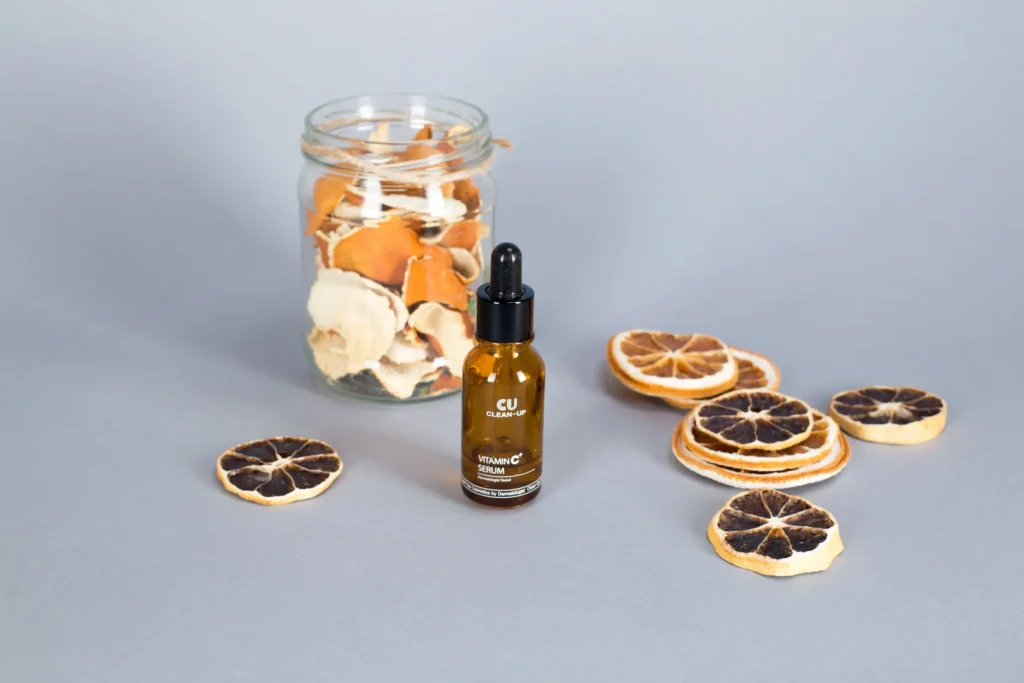
Vitamin C has become one of the most recommended skincare ingredients by dermatologists—and for good reason. Whether your goal is brighter skin, fading dark spots, reducing early signs of aging, or protecting your skin from environmental damage, adding a vitamin C serum to your daily routine can make a noticeable difference over time.
Unlike many trendy skincare ingredients that come and go, vitamin C has decades of scientific research supporting its effectiveness. As a powerful antioxidant, it helps neutralize free radicals generated by ultraviolet (UV) rays, pollution, and other environmental stressors that accelerate premature skin aging.
Many people begin using vitamin C because they want glowing skin, but its benefits go far beyond improving radiance. Regular use may help reduce the appearance of post-acne marks, improve uneven skin tone, support natural collagen production, and enhance your skin’s overall resilience when combined with a proper skincare routine.
However, not all vitamin C products are created equal. Different forms of vitamin C vary in stability, potency, and suitability for different skin types. Choosing the wrong concentration or storing your serum incorrectly can reduce its effectiveness—or even lead to unnecessary irritation.
In this comprehensive guide, you’ll learn:
- What vitamin C does for your skin
- The scientifically supported benefits
- Which form of vitamin C is best for your skin type
- How to choose the right serum
- How to use vitamin C safely with other skincare ingredients
- Common mistakes to avoid
- The best skincare routine for maximum results
If you’re still building a complete routine, you may also enjoy our guides on How to Patch Test New Skincare Products, Morning Skincare Routine, and Correct Order to Apply Skincare Products, which explain how to introduce new active ingredients safely.
What Is Vitamin C in Skincare?
Vitamin C is a naturally occurring antioxidant that plays an essential role in maintaining healthy skin. In skincare products, it is formulated into serums, creams, lotions, and moisturizers to help improve skin brightness, reduce discoloration, and support collagen production.
Unlike vitamins that only work internally through diet, topical vitamin C delivers antioxidants directly to the skin, where environmental damage occurs every day.
Your skin is constantly exposed to:
- UV radiation
- Air pollution
- Cigarette smoke
- Blue light from electronic devices
- Oxidative stress
- Environmental toxins
These factors generate unstable molecules known as free radicals, which damage healthy skin cells over time. This process contributes to:
- Fine lines
- Wrinkles
- Uneven skin tone
- Hyperpigmentation
- Loss of firmness
- Dull complexion
Vitamin C helps neutralize these free radicals before they cause significant cellular damage.
Another reason vitamin C is highly valued is its critical role in collagen synthesis. Collagen is the structural protein responsible for keeping skin firm, elastic, and youthful-looking. As collagen production naturally declines with age, consistent use of vitamin C may help support healthier, stronger skin over time.
According to dermatologists, vitamin C works best when used alongside broad-spectrum sunscreen. While it should never replace sunscreen, vitamin C can enhance your skin’s defense against UV-induced oxidative stress, making the combination one of the most effective daytime skincare strategies.
If sunscreen is still a confusing topic, don’t miss our complete guide to Best Sunscreens for Daily Use, where we explain how to choose the right SPF for different skin types.
Why Vitamin C Is One of the Most Effective Antioxidants
The skincare industry offers countless antioxidant ingredients, including vitamin E, niacinamide, coenzyme Q10, green tea extract, resveratrol, and ferulic acid. Yet vitamin C remains one of the most researched and clinically supported options available.
Its popularity comes from its ability to address multiple skin concerns at the same time.
Unlike ingredients that target only one issue, vitamin C may help:
- Brighten dull skin
- Improve uneven skin tone
- Fade acne marks
- Reduce sun spots
- Support collagen production
- Improve skin texture
- Defend against environmental damage
- Complement sunscreen protection
Many premium serums combine vitamin C with vitamin E and ferulic acid, a combination shown to improve antioxidant stability and enhance protection against oxidative stress.
Different Forms of Vitamin C
Not every vitamin C serum contains the same ingredient. Several vitamin C derivatives are available, each offering unique advantages.
| Form | Best For | Strength | Irritation Risk |
|---|---|---|---|
| L-Ascorbic Acid | Anti-aging, pigmentation | Very High | Medium-High |
| Sodium Ascorbyl Phosphate | Acne-prone skin | Moderate | Low |
| Magnesium Ascorbyl Phosphate | Dry skin | Moderate | Low |
| Ascorbyl Glucoside | Beginners | Moderate | Very Low |
| Tetrahexyldecyl Ascorbate | Sensitive & mature skin | High | Low |
L-Ascorbic Acid remains the gold standard because it has the strongest clinical evidence. However, derivative forms are often more stable and less irritating, making them excellent choices for beginners and sensitive skin.
Benefits of Vitamin C for Skin
Vitamin C delivers multiple skincare benefits simultaneously, making it one of the highest-value ingredients you can include in your routine.
1. Brightens Dull Skin
One of the first improvements many users notice is a brighter, healthier-looking complexion.
Vitamin C helps reduce the appearance of dullness by promoting a more even skin tone and minimizing oxidative stress that contributes to tired-looking skin.
Unlike makeup, which provides an instant glow, vitamin C gradually improves your skin’s natural radiance through consistent use over several weeks.
2. Helps Fade Dark Spots
Hyperpigmentation is one of the most common skincare concerns worldwide.
Dark spots may develop because of:
- Acne scars
- Sun exposure
- Hormonal changes
- Inflammation
- Skin injuries
Vitamin C helps reduce excess melanin production, allowing existing discoloration to gradually fade while helping prevent new pigmentation from becoming more noticeable.
People dealing with post-inflammatory hyperpigmentation often combine vitamin C with ingredients such as niacinamide or azelaic acid for even better results.
3. Supports Healthy Collagen Production
Collagen provides the structural framework that keeps skin firm and smooth.
Starting in your mid-20s, collagen production naturally begins to decline. This gradual reduction contributes to:
- Fine lines
- Wrinkles
- Skin laxity
- Loss of elasticity
Vitamin C serves as an essential cofactor in collagen synthesis, meaning your skin needs it to produce stable collagen fibers efficiently.
Although skincare cannot completely stop the aging process, regular use of vitamin C may help maintain firmer, healthier-looking skin over time.
4. Protects Against Environmental Damage
Daily exposure to sunlight, pollution, and airborne particles creates oxidative stress within the skin.
Free radicals damage:
- Cell membranes
- Collagen fibers
- Elastin
- DNA inside skin cells
Vitamin C functions as an antioxidant shield, helping neutralize these unstable molecules before they cause visible damage.
This is one reason dermatologists often recommend applying vitamin C in the morning underneath sunscreen.
5. Improves Overall Skin Texture
Consistent use of vitamin C may also improve how your skin feels.
Many users report:
- Smoother skin
- Softer texture
- Better hydration when combined with humectants
- More refined appearance
- Healthier overall complexion
Results typically become more noticeable after several weeks of consistent daily use, especially when paired with a gentle cleanser, moisturizer, and sunscreen.
Recommended Morning Skincare Order
Applying products in the correct order ensures vitamin C can penetrate effectively while maximizing the performance of every step in your routine.
| Step | Product | Purpose |
|---|---|---|
| 1 | Gentle Cleanser | Removes oil and impurities |
| 2 | Toner (Optional) | Hydrates and preps the skin |
| 3 | Vitamin C Serum | Antioxidant protection and brightening |
| 4 | Hydrating Serum (Optional) | Adds moisture with ingredients like hyaluronic acid |
| 5 | Moisturizer | Locks in hydration and strengthens the skin barrier |
| 6 | Broad-Spectrum Sunscreen SPF 30+ | Protects against UV damage |
Following this order helps maximize the effectiveness of each product while reducing the likelihood of irritation from layering active ingredients incorrectly.
How to Choose the Best Vitamin C Serum
With hundreds of vitamin C serums on the market, finding the right one can feel overwhelming. Prices range from budget-friendly options to luxury formulations, but a higher price tag doesn’t always mean better performance.
Instead of focusing solely on brand names, evaluate a vitamin C serum based on its form of vitamin C, concentration, packaging, supporting ingredients, and compatibility with your skin type.
Here are the most important factors to consider.
1. Choose the Right Concentration
Vitamin C serums are available in different strengths. Selecting the appropriate concentration helps maximize benefits while minimizing irritation.
| Concentration | Best For | Notes |
|---|---|---|
| 5–8% | Sensitive skin & beginners | Gentle introduction with a lower risk of irritation |
| 10% | Most skin types | Excellent balance between effectiveness and tolerability |
| 15% | Hyperpigmentation & early aging | Popular choice for experienced users |
| 20% | Experienced users | Stronger formula that may cause irritation in sensitive skin |
More isn’t always better. If your skin becomes red, itchy, or uncomfortable, switching to a lower concentration or a gentler vitamin C derivative is often more effective than trying to “push through” irritation.
If you’re introducing any new active ingredient, read our guide on How to Patch Test New Skincare Products before adding it to your routine.
2. Pay Attention to the Packaging
Vitamin C is sensitive to light, air, and heat.
Poor packaging allows oxidation, reducing effectiveness long before the bottle is empty.
Look for products packaged in:
- Dark amber bottles
- Opaque containers
- Airless pumps
- UV-protective packaging
Avoid clear bottles that expose the serum to sunlight.
Signs Your Vitamin C Has Oxidized
Discard your serum if you notice:
- Dark orange or brown color
- Unpleasant odor
- Reduced effectiveness
- Significant color change compared to when first opened
Fresh vitamin C is usually clear, pale yellow, or slightly straw-colored depending on the formula.
3. Look for Beneficial Supporting Ingredients
Many high-quality vitamin C serums combine additional ingredients that improve hydration, stability, or skin barrier health.
Some excellent combinations include:
Vitamin C + Hyaluronic Acid
Ideal for:
- Dry skin
- Dehydrated skin
- Combination skin
Benefits:
- Hydrates
- Plumps the skin
- Reduces tightness
If hydration is your main concern, check out our guide to Best Hyaluronic Acid Serums for Dry Skin.
Vitamin C + Vitamin E
Vitamin E works synergistically with vitamin C.
Benefits include:
- Enhanced antioxidant protection
- Improved moisture retention
- Better support against environmental damage
Vitamin C + Ferulic Acid
This combination is widely used in premium formulations.
Benefits include:
- Increased antioxidant stability
- Better resistance to oxidation
- Improved overall performance
Vitamin C + Ceramides
Perfect for:
- Sensitive skin
- Dry skin
- Damaged skin barrier
Ceramides help reinforce the skin barrier while reducing the risk of irritation from active ingredients.
For barrier repair tips, see our Skin Barrier Repair Guide.
Which Vitamin C Serum Is Best for Your Skin Type?
There is no universal “best” vitamin C serum. The right choice depends on your skin’s needs and tolerance.
For Oily Skin
Choose lightweight formulations that absorb quickly.
Look for:
- Oil-free formulas
- Water-based serums
- Non-comedogenic labels
Recommended ingredients:
- Niacinamide
- Zinc PCA
- Sodium Ascorbyl Phosphate
These combinations may help improve the appearance of excess oil while maintaining skin clarity.
For Acne-Prone Skin
Acne-prone skin often benefits from vitamin C because it may help reduce the appearance of post-acne marks while providing antioxidant protection.
Look for formulas containing:
- Sodium Ascorbyl Phosphate
- Niacinamide
- Panthenol
- Green tea extract
Avoid overly rich or heavy oils if they don’t suit your skin.
For Dry Skin
Dry skin requires both antioxidants and hydration.
Choose serums containing:
- Hyaluronic acid
- Glycerin
- Ceramides
- Squalane
Always apply a moisturizer after your serum to lock in hydration.
For Sensitive Skin
Sensitive skin should prioritize gentler vitamin C derivatives instead of high-strength L-ascorbic acid.
Recommended options include:
- Magnesium Ascorbyl Phosphate
- Ascorbyl Glucoside
- Tetrahexyldecyl Ascorbate
Introduce the product gradually—two or three mornings per week before increasing to daily use if your skin tolerates it well.
For Mature Skin
As skin matures, antioxidant protection and collagen support become increasingly important.
Look for formulas that combine vitamin C with:
- Peptides
- Vitamin E
- Ferulic acid
- Ceramides
These ingredients help support smoother, firmer-looking skin while addressing visible signs of aging.
Vitamin C Recommendations by Skin Type
| Skin Type | Best Vitamin C Form | Supporting Ingredients | Recommended Concentration |
|---|---|---|---|
| Oily | Sodium Ascorbyl Phosphate | Niacinamide | 10–15% |
| Acne-Prone | Sodium Ascorbyl Phosphate | Zinc PCA, Panthenol | 10% |
| Dry | Magnesium Ascorbyl Phosphate | Hyaluronic Acid, Ceramides | 10–15% |
| Sensitive | Ascorbyl Glucoside | Centella, Panthenol | 5–10% |
| Mature | L-Ascorbic Acid | Vitamin E, Ferulic Acid, Peptides | 15–20% |
How to Use Vitamin C Correctly
Using vitamin C consistently is more important than using the strongest formula.
A simple morning routine looks like this:
- Cleanser
- Toner (optional)
- Vitamin C serum
- Hydrating serum (optional)
- Moisturizer
- Sunscreen SPF 30 or higher
Allow the serum to absorb for about one minute before applying the next product.
Daily consistency generally produces better results than occasional use.
Morning or Night: When Should You Apply Vitamin C?
Although vitamin C can be used in either routine, most dermatologists recommend applying it in the morning because of its antioxidant benefits.
Morning Benefits
Morning application helps defend the skin against:
- UV-induced free radicals
- Pollution
- Oxidative stress
- Environmental aggressors encountered throughout the day
Always finish with sunscreen.
Evening Benefits
Some people prefer nighttime use because:
- Their morning routine is already simple.
- They use exfoliating acids in the morning.
- Their skin tolerates active ingredients better at night.
Either approach can be effective as long as you use the product consistently.
Can Vitamin C Be Used with Other Active Ingredients?
One of the most common skincare questions is whether vitamin C can be combined with other active ingredients.
The answer is yes, but some combinations require thoughtful layering.
Vitamin C + Niacinamide
✅ Excellent combination.
This outdated myth—that these ingredients cancel each other out—has been disproven by modern research.
Benefits include:
- Brighter skin
- Improved skin barrier
- Better oil control
- More even skin tone
If you’re interested in niacinamide, read our guide on Niacinamide: Benefits, Best Serums & How to Use It for Clearer Skin.
Vitamin C + Hyaluronic Acid
✅ One of the best combinations for every skin type.
Benefits:
- Increased hydration
- Improved skin plumpness
- Reduced dryness
- Better comfort
Vitamin C + Ceramides
✅ Highly recommended.
Ceramides strengthen the skin barrier and help minimize irritation, making them an excellent companion to vitamin C.
Vitamin C + Retinol
✅ Yes—but preferably in separate routines.
A common approach is:
Morning:
- Vitamin C
- Moisturizer
- Sunscreen
Evening:
- Retinol
- Moisturizer
This reduces the likelihood of irritation while allowing both ingredients to perform effectively.
For more information, read Retinol: Benefits, Best Products & How to Use It Safely.
Vitamin C + AHA/BHA
⚠ Possible, but proceed carefully.
Using both strong exfoliating acids and vitamin C in the same routine may increase sensitivity, particularly if you’re new to active ingredients.
If irritation develops:
- Alternate usage days.
- Apply one ingredient in the morning and the other at night.
- Reduce application frequency.
Sunscreen Matters Just as Much as Vitamin C
Even the best vitamin C serum cannot protect your skin from UV radiation on its own.
Daily sunscreen is essential because UV exposure can:
- Trigger hyperpigmentation
- Accelerate collagen breakdown
- Reduce the visible improvements achieved with vitamin C
Below is a comparison of common sunscreen types.
| Sunscreen Type | Best For | Advantages | Considerations |
|---|---|---|---|
| Mineral | Sensitive skin | Gentle, works immediately | May leave a white cast |
| Chemical | Daily wear | Lightweight, invisible finish | May irritate very sensitive skin |
| Hybrid | Most skin types | Combines benefits of both | Formula varies by brand |
Choose a broad-spectrum SPF 30 or higher and apply it every morning as the final step of your skincare routine.
For more guidance, explore our sunscreen buying guides to find the best option for your skin type.
Common Mistakes When Using Vitamin C
Avoid these mistakes to get the best results from your serum.
Using Too High a Concentration Too Soon
Starting with 20% vitamin C isn’t necessary for most people.
Begin gradually and increase strength only if your skin tolerates it well.
Skipping Sunscreen
Vitamin C enhances your daytime protection, but it does not replace sunscreen.
Both products work together for optimal skin health.
Storing the Serum Incorrectly
Heat and sunlight accelerate oxidation.
Store your serum in a cool, dry place with the cap tightly closed.
Using an Oxidized Serum
A dark brown serum has likely lost much of its effectiveness.
Replace oxidized products rather than continuing to use them.
Expecting Overnight Results
Most users notice improvements after 6–12 weeks of consistent use.
Healthy skin develops gradually, so patience and consistency are key.
Editor’s Product Picks (Affiliate-Friendly)
Editor’s Note: The following product categories are commonly available through AliExpress. Always compare ingredient lists, seller ratings, and customer reviews before purchasing.
| Product Category | Best For | What to Look For |
|---|---|---|
| 10% Vitamin C Serum | Beginners | Stable derivative, fragrance-free formula |
| 15% Vitamin C + Hyaluronic Acid Serum | Dry skin | Added hydrating ingredients and airtight packaging |
| Vitamin C + Niacinamide Serum | Oily & acne-prone skin | Lightweight, non-comedogenic formula |
| Vitamin C + Ferulic Acid Serum | Anti-aging | Vitamin E and ferulic acid for improved stability |
| Vitamin C Moisturizer | Daily maintenance | Ceramides, glycerin, and SPF compatibility |
Shopping Tip: When buying skincare from AliExpress, prioritize stores with high ratings, verified customer reviews, clear ingredient lists, and recent order history. Avoid products with incomplete labeling or unrealistic claims such as “instant whitening” or “permanent results.”
Key Takeaways
If you only remember a few things from this guide, make them these:
- Vitamin C is one of the most researched skincare ingredients for brightening skin and protecting against environmental damage.
- Daily use can help improve uneven skin tone, fade the appearance of dark spots, and support healthy collagen production.
- L-Ascorbic Acid offers the strongest clinical evidence, while vitamin C derivatives are often better suited for sensitive skin.
- Apply vitamin C after cleansing and before moisturizer, preferably in the morning.
- Always finish your routine with a broad-spectrum SPF 30 or higher sunscreen.
- Store vitamin C serums away from heat, light, and air to prevent oxidation.
- Consistency is more important than using the highest concentration available.
- Combining vitamin C with ingredients like niacinamide, hyaluronic acid, ceramides, and sunscreen can maximize your skincare results.
Frequently Asked Questions (FAQ)
1. What does vitamin C do for your skin?
Vitamin C is a powerful antioxidant that helps protect skin from free radical damage caused by UV exposure and pollution. It may also brighten the complexion, improve uneven skin tone, reduce the appearance of dark spots, and support collagen production.
2. Can I use vitamin C serum every day?
Yes. Most people can safely use vitamin C once daily. Morning application is generally recommended because it provides antioxidant protection throughout the day. If you have sensitive skin, start by using it every other day until your skin adjusts.
3. Should I apply vitamin C before or after moisturizer?
Vitamin C serum should be applied after cleansing (and toner, if used) but before moisturizer. Moisturizer helps seal in hydration and supports the skin barrier.
4. Can vitamin C be used with niacinamide?
Yes. Current research shows that vitamin C and niacinamide work well together. This combination can improve skin brightness, strengthen the skin barrier, and reduce the appearance of uneven skin tone.
5. Can I use vitamin C and retinol in the same routine?
You can, but many dermatologists recommend using vitamin C in the morning and retinol at night. This approach minimizes irritation while allowing each ingredient to perform effectively.
6. How long does vitamin C take to work?
Some users notice brighter-looking skin within a few weeks, but improvements in pigmentation and skin texture typically become more noticeable after 6–12 weeks of consistent daily use.
7. How can I tell if my vitamin C serum has gone bad?
A vitamin C serum that has turned dark orange or brown, developed an unusual smell, or no longer performs as expected has likely oxidized and should be replaced.
8. Which vitamin C serum is best for sensitive skin?
Gentler vitamin C derivatives such as Ascorbyl Glucoside, Magnesium Ascorbyl Phosphate, or Tetrahexyldecyl Ascorbate are often better tolerated than high-strength L-Ascorbic Acid.
Call-to-Action
Healthy, glowing skin isn’t achieved with one product alone. Vitamin C works best as part of a consistent skincare routine built around cleansing, moisturizing, and daily sun protection.
Continue building your skincare knowledge with these related guides on BestGlowCare:
- Niacinamide: Benefits, Best Serums & How to Use It for Clearer Skin
- Retinol: Benefits, Best Products & How to Use It Safely
- Best Hyaluronic Acid Serums for Dry Skin
- Best Ceramide Cream for Dry Skin
- Morning Skincare Routine
- Night Skincare Routine
- Correct Order to Apply Skincare Products
- How Often Should You Exfoliate?
- How to Patch Test New Skincare Products
- Common Skincare Mistakes Beginners Make
Together, these guides will help you build a skincare routine that is both effective and suitable for your skin type.
Conclusion
Vitamin C remains one of the most effective and versatile skincare ingredients available today. Whether your goal is brighter skin, reducing the appearance of dark spots, supporting collagen production, or defending against environmental stressors, incorporating a well-formulated vitamin C serum into your daily routine can provide long-term benefits.
The key is choosing the right formula for your skin type, storing it properly, and using it consistently. Remember that even the best vitamin C serum works best when paired with a gentle cleanser, a barrier-supporting moisturizer, and a broad-spectrum sunscreen every morning.
Skincare results take time, but a consistent routine built on evidence-based ingredients can help you achieve healthier, more radiant-looking skin over the long term.
Recommended Internal Links
Distribute these naturally throughout the article rather than placing them all in one section.
| Anchor Text | Target Article |
|---|---|
| Morning Skincare Routine | /morning-skincare-routine/ |
| Night Skincare Routine | /night-skincare-routine/ |
| Correct Order to Apply Skincare Products | /correct-order-to-apply-skincare-products/ |
| How to Patch Test New Skincare Products | /how-to-patch-test-new-skincare-products/ |
| How Often Should You Exfoliate? | /how-often-should-you-exfoliate/ |
| Common Skincare Mistakes Beginners Make | /common-skincare-mistakes-beginners-make/ |
| Skin Barrier Repair Guide | /skin-barrier-repair-guide/ |
| Niacinamide: Benefits, Best Serums & How to Use It | /niacinamide-benefits-best-serums/ |
| Retinol: Benefits, Best Products & How to Use It Safely | /retinol-benefits-best-products/ |
| Best Hyaluronic Acid Serums for Dry Skin | /best-hyaluronic-acid-serums-for-dry-skin/ |
External References (Authoritative Sources)
Use these as contextual references within the article and/or in a “References” section at the end.
- American Academy of Dermatology (AAD) – Information on antioxidants, sun protection, and healthy skincare.
- MedlinePlus (U.S. National Library of Medicine) – Evidence-based information on vitamin C and skin health.
- DermNet – Clinical dermatology resource covering topical vitamin C and common skin conditions.
- Cleveland Clinic – Educational resources on skincare ingredients, antioxidants, and skin aging.