Retinol has become one of the most popular skincare ingredients for people who want smoother, clearer, and younger-looking skin. Dermatologists frequently recommend it for concerns such as fine lines, wrinkles, acne, dark spots, uneven texture, and loss of firmness.
What makes retinol stand out is the amount of scientific research supporting its effectiveness. Unlike many trending skincare ingredients, retinol has been studied for decades and is widely recognized for its ability to improve multiple skin concerns at the same time.
However, many beginners are unsure how to start retinol safely. Using a product that is too strong or applying it too often can lead to redness, dryness, peeling, and irritation. The good news is that most people can use retinol successfully when they choose the right strength and introduce it gradually.
In this complete guide, you’ll learn:
- What retinol is and how it works
- The most important retinol benefits
- Who should (and should not) use it
- How to choose the right strength
- How to use retinol without irritation
- The best product categories for different skin types
- Common mistakes to avoid
Table of Contents
Quick Navigation
- What Is Retinol?
- How Does Retinol Work?
- Proven Retinol Benefits
- Who Should Use Retinol?
- Retinol Strength Guide
- Retinol vs Retinal vs Tretinoin
- How to Start Retinol Safely
- The Retinol Sandwich Method
- Ingredients That Work Well with Retinol
- Ingredients to Avoid
- Best Retinol Products by Skin Type
- Common Side Effects
- FAQ
- Final Thoughts
What Is Retinol?

Retinol is a vitamin A derivative that belongs to a group of ingredients called retinoids. It is commonly found in over-the-counter skincare products such as serums, creams, and lotions.
Once applied to the skin, retinol is converted into retinoic acid, the active form that helps regulate skin cell turnover and stimulate collagen production.
Retinol Conversion Process
Retinol
Retinal
Retinoic Acid
Retinol must go through these conversion steps before becoming fully active in the skin.
Because retinol requires these conversion steps, it is generally gentler than prescription retinoids such as tretinoin. This makes it a popular choice for beginners who want anti-aging and acne benefits with a lower risk of irritation.
How Does Retinol Work?

Retinol works through several mechanisms that improve the appearance and health of the skin over time.
1. Increases Cell Turnover
Retinol encourages old skin cells to shed more efficiently, helping reveal fresher skin underneath.
2. Stimulates Collagen Production
Collagen is the protein that helps keep skin firm and smooth. As we age, collagen production naturally declines. Retinol helps stimulate new collagen formation, which may reduce the appearance of wrinkles over time.
3. Helps Keep Pores Clear
By preventing dead skin cells from building up inside pores, retinol may help reduce blackheads, whiteheads, and breakouts.
4. Improves Pigmentation
Retinol can gradually help fade post-acne marks and uneven skin tone by promoting the renewal of pigmented skin cells.
Proven Retinol Benefits
One reason retinol remains a skincare favorite is that it can address multiple concerns simultaneously.
1. Reduces Fine Lines and Wrinkles

Retinol is best known for its anti-aging benefits.
With consistent use, it may help:
- Reduce the appearance of fine lines
- Improve skin firmness
- Smooth rough texture
- Support healthier-looking skin over time
Results typically become more noticeable after several months of regular use.
2. Helps Treat Acne

Retinol is commonly used in acne-focused routines because it helps prevent clogged pores.
Many users find that it can improve:
- Blackheads
- Whiteheads
- Mild to moderate acne
- Post-breakout texture
Some people experience a temporary purging phase when starting retinol, where existing clogged pores come to the surface before improvement occurs.
3. Fades Dark Spots

Retinol can gradually help improve:
- Post-inflammatory hyperpigmentation (acne marks)
- Sun spots
- Uneven skin tone
Because pigmentation takes time to fade, consistency is especially important.
4. Improves Skin Texture
![ブラーリング カラー ブラッシュ | SUQQU [スック] 公式サイト](https://images.openai.com/static-rsc-4/ZW8wo-WWxfYLidcXCBSO0iF2HgUiu1pZlsLoxTBo-eb1ySSYVVVTuJ9rFHElnJ2VnaGJsjgG6nJSbHCyBqEzXIdvDQ9x0GB74XQ_BbHGtP4sGAalS-T4RcYjNbs3FN--cKbvqsx6_g-mykyRVb48yUpthxtSqj2M9yOboNz8_f44hAQyDtbV5dwytsHqTBFm?purpose=fullsize)
Many users notice that their skin feels smoother and looks more refined after several weeks of use.
Retinol may help reduce the appearance of:
- Rough patches
- Dullness
- Uneven texture
- Congested skin
5. Makes Pores Look Smaller

Retinol does not permanently shrink pores, but by keeping them clearer and improving skin texture, pores may appear less noticeable.
6. Supports Long-Term Skin Health

Perhaps the biggest advantage of retinol is its long-term approach. Rather than delivering only temporary surface effects, it works gradually to improve the skin’s overall appearance and resilience.
Key Takeaway
Retinol benefits are usually cumulative. The best results come from consistent, long-term use rather than using a strong product aggressively for a short period.
Who Should Use Retinol?
Retinol is a versatile skincare ingredient that can benefit many skin types and concerns. However, the right product strength and usage frequency vary depending on your skin’s condition and tolerance.
The table below provides a general recommendation.
| Skin Concern | Is Retinol Recommended? | Notes |
|---|---|---|
| Fine lines and wrinkles | ✅ Yes | One of the most effective over-the-counter anti-aging ingredients. |
| Acne-prone skin | ✅ Yes | Helps reduce clogged pores and improve skin turnover. |
| Post-acne marks | ✅ Yes | May gradually fade hyperpigmentation with consistent use. |
| Oily skin | ✅ Yes | Lightweight serum formulations are often ideal. |
| Dry skin | ✅ Yes | Use moisturizing cream formulas and avoid overuse. |
| Sensitive skin | ✅ Yes (with caution) | Start with a low concentration and use only 1–2 nights per week. |
| Combination skin | ✅ Yes | Apply consistently while maintaining hydration. |
| Pregnant or breastfeeding | ❌ Not generally recommended | Consult your healthcare provider before using retinoids. |
Although retinol can benefit many people, it is not necessary for everyone. If your skin barrier is currently damaged or you are experiencing severe irritation, it is usually better to focus on repairing the skin barrier before introducing retinol.
Retinol Strength Guide
Choosing the correct concentration is one of the most important steps in building a successful retinol routine. Higher percentages do not always produce better results. In fact, using a concentration that is too strong often increases irritation without providing significantly faster improvements.
| Retinol Strength | Best For | Usage Recommendation |
|---|---|---|
| 0.1% | Beginners and sensitive skin | Start 1–2 nights per week. |
| 0.3% | Most users | A balanced option for anti-aging and acne prevention. |
| 0.5% | Experienced users | Suitable if your skin already tolerates retinol well. |
| 1% | Advanced users | Higher risk of irritation; use only if your skin has adapted gradually. |
Should Beginners Start with 1% Retinol?
Generally, no.
Starting with the highest concentration often leads to excessive dryness, redness, and peeling. Most dermatologists recommend beginning with a lower-strength formula and increasing the concentration only after your skin has built tolerance.
Remember that consistency is more important than strength. A gentle retinol used regularly is often more effective than a stronger product that causes irritation and forces you to stop using it.
Retinol vs Retinal vs Tretinoin
Although these ingredients belong to the retinoid family, they differ in potency, availability, and how quickly they work.
| Feature | Retinol | Retinal (Retinaldehyde) | Tretinoin |
|---|---|---|---|
| Available without prescription | ✅ Yes | ✅ Yes | ❌ Usually prescription only |
| Strength | Mild | Moderate | Strong |
| Speed of results | Moderate | Faster | Fastest |
| Irritation risk | Low to moderate | Moderate | Highest |
| Best for | Beginners | Intermediate users | Medical treatment under professional guidance |
Retinol
Retinol is the most common over-the-counter retinoid. Because it must undergo several conversion steps before becoming active, it tends to be gentler and easier for beginners to tolerate.
Retinal (Retinaldehyde)
Retinal converts into retinoic acid more efficiently than retinol, meaning it may produce results more quickly. It can be a good option for users who already tolerate retinol well but are not ready for prescription-strength products.
Tretinoin
Tretinoin is the active form of vitamin A and is commonly prescribed for acne and photoaging in many countries. Since it works directly without conversion, it is also more likely to cause irritation, especially during the first few weeks of use.
How to Start Retinol Safely
One of the biggest mistakes beginners make is using retinol every night from the start. Introducing it gradually gives your skin time to adjust and significantly reduces the risk of irritation.
Suggested Beginner Schedule
| Week | Frequency |
|---|---|
| Week 1 | One night per week |
| Week 2 | Two nights per week |
| Week 3 | Three nights per week |
| Week 4 | Every other night if tolerated |
Some people may need several additional weeks before increasing frequency, especially those with sensitive or dry skin.
There is no need to rush. Long-term consistency is far more important than reaching daily use quickly.
Step-by-Step Night Routine
A simple routine is usually the most effective when starting retinol.
Step 1: Cleanse
Use a gentle cleanser to remove makeup, sunscreen, and excess oil without stripping the skin.
Step 2: Allow Skin to Dry
Wait a few minutes after cleansing. Applying retinol to damp skin may increase irritation for some people.
Step 3: Apply Retinol
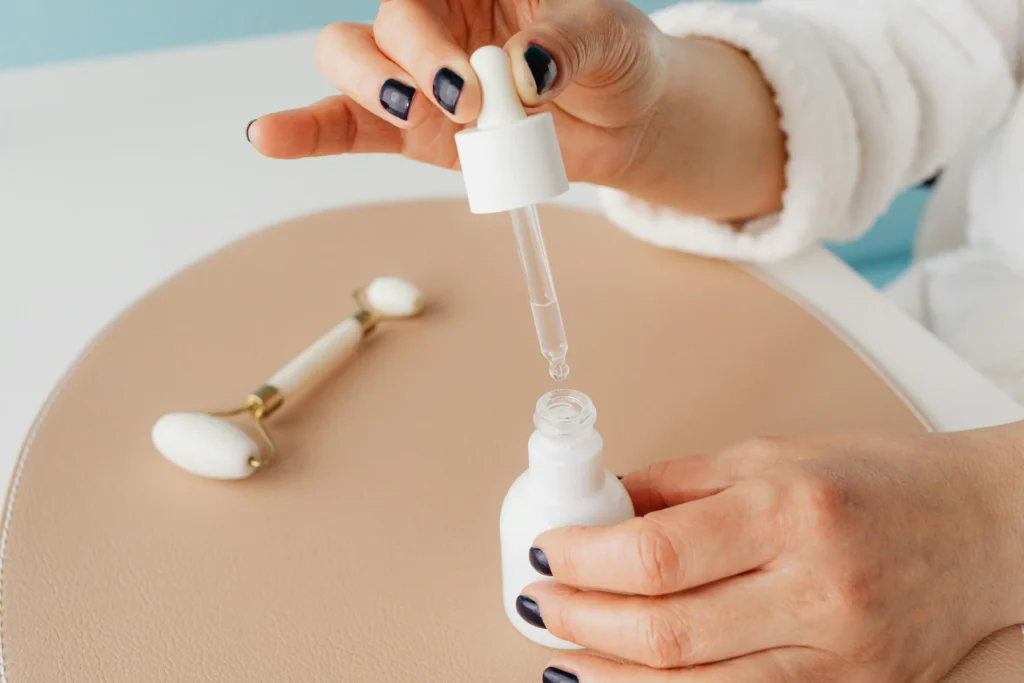
Use only a pea-sized amount for your entire face.
Applying more product does not improve results and may increase irritation.
Step 4: Moisturize
Finish with a nourishing moisturizer to support the skin barrier and reduce dryness.
The Retinol Sandwich Method
The Retinol Sandwich Method is a popular technique for beginners and people with sensitive skin.
Instead of applying retinol directly to bare skin, moisturizer is used before and after retinol.
The routine looks like this:
- Apply a lightweight moisturizer.
- Wait a few minutes.
- Apply a pea-sized amount of retinol.
- Finish with another layer of moisturizer.
This method helps reduce dryness while still allowing retinol to work effectively.
Ingredients That Work Well with Retinol
Pairing retinol with supportive ingredients can improve comfort and help maintain a healthy skin barrier.
| Ingredient | Benefit |
|---|---|
| Niacinamide | Helps reduce redness and supports the skin barrier. |
| Ceramides | Restore moisture and strengthen the skin barrier. |
| Hyaluronic Acid | Increases hydration and minimizes dryness. |
| Squalane | Softens the skin and reduces moisture loss. |
| Peptides | Complement anti-aging routines by supporting skin firmness. |
These ingredients are commonly included in moisturizers designed for retinol users.
Ingredients to Avoid in the Same Routine
Some active ingredients may increase irritation when layered with retinol, especially for beginners.
| Ingredient | Why Use Caution? |
|---|---|
| AHAs (Glycolic Acid, Lactic Acid) | May increase exfoliation and irritation. |
| BHAs (Salicylic Acid) | Can be drying when combined with retinol. |
| Benzoyl Peroxide | May increase dryness and reduce tolerance. |
| Strong exfoliating scrubs | Can damage the skin barrier. |
What About Vitamin C?
Vitamin C and retinol are both effective ingredients, but many people prefer using them at different times of the day.
A common routine is:
- Morning: Vitamin C serum followed by sunscreen.
- Evening: Retinol followed by moisturizer.
Separating them helps simplify your routine and may reduce the likelihood of irritation, especially if you are new to active ingredients.
Pro Tips for Better Results
To get the most from retinol while minimizing irritation:
- Start with a low-strength formula.
- Use only a pea-sized amount.
- Apply retinol to completely dry skin.
- Always follow with a moisturizer.
- Wear a broad-spectrum sunscreen with SPF 30 or higher every morning.
- Be patient—visible improvements often take several weeks or months.
- Avoid introducing multiple new active ingredients at the same time.
- Listen to your skin and reduce frequency if excessive irritation occurs.
Best Retinol Products by Skin Type
Choosing the right retinol product is just as important as using it correctly. Different skin types have different needs, so selecting a formula that matches your skin can improve results while minimizing irritation.
Best Retinol for Beginners
If you’re new to retinol, start with a product that contains a lower concentration, such as 0.1% to 0.3%. Gentle formulations allow your skin to gradually build tolerance without causing excessive dryness or peeling.
Recommended reading:
- Best Retinol for Beginners
Best Retinol for Acne-Prone Skin
People with acne-prone skin often benefit from lightweight retinol serums that help prevent clogged pores while improving skin texture over time.
Look for formulas that also contain ingredients such as niacinamide or ceramides to support the skin barrier.
Recommended reading:
- Best Retinol for Acne-Prone Skin
Best Retinol for Sensitive Skin
Sensitive skin requires extra care.
Choose fragrance-free formulas with lower retinol concentrations and soothing ingredients such as:
- Ceramides
- Panthenol
- Hyaluronic acid
- Squalane
Introduce retinol slowly and monitor how your skin responds before increasing frequency.
Recommended reading:
- Best Retinol for Sensitive Skin
Best Drugstore Retinol
Effective retinol doesn’t have to be expensive.
Many affordable products contain well-formulated retinol along with moisturizing ingredients that make them suitable for everyday use.
Recommended reading:
- Best Drugstore Retinol
Best Overall Retinol Serums
If you’re comparing multiple products, consider factors such as:
- Retinol concentration
- Packaging (airless pumps or opaque bottles help preserve stability)
- Added hydrating ingredients
- Fragrance-free formulation
- Price per ounce
- Brand reputation
Our editor-reviewed recommendations can help you compare options for different skin types and budgets.
Recommended reading:
- Best Retinol Serums
Possible Side Effects of Retinol
Although retinol is highly effective, mild side effects are common during the adjustment period.
These reactions are usually temporary and improve as your skin builds tolerance.
Common side effects include:
- Dryness
- Peeling
- Mild redness
- Tightness
- Flaking
- Temporary sensitivity
These effects often occur during the first few weeks of use.
If irritation becomes severe, reduce application frequency or stop using the product temporarily and consult a dermatologist if symptoms persist.
Is Purging Normal?
Some users experience a temporary increase in breakouts after starting retinol.
This process, often called retinol purging, occurs because increased skin cell turnover brings existing clogged pores to the surface more quickly.
Purging usually:
- Appears in areas where you commonly break out
- Improves within several weeks
- Gradually leads to clearer skin
If new breakouts continue for an extended period or appear in areas where you normally do not get acne, the product may simply be irritating your skin rather than causing purging.
Common Mistakes to Avoid
Even high-quality retinol products can produce poor results if used incorrectly.
Here are some of the most common mistakes.
Starting with a High Strength
Many beginners assume stronger is better.
In reality, starting with a lower concentration usually leads to better long-term success because your skin can adapt gradually.
Using Too Much Product
Only a pea-sized amount is needed for your entire face.
Using more will not produce faster results and may increase irritation.
Applying Retinol Every Night Immediately
Your skin needs time to adjust.
Gradually increasing usage frequency helps minimize redness and peeling.
Skipping Moisturizer
A good moisturizer supports your skin barrier and reduces dryness associated with retinol.
Forgetting Sunscreen
Retinol may increase your skin’s sensitivity to sunlight.
Always apply a broad-spectrum sunscreen with SPF 30 or higher every morning, even on cloudy days.
Mixing Too Many Active Ingredients
Combining several strong exfoliating acids with retinol in the same routine may increase irritation.
Introduce one new active ingredient at a time.
Frequently Asked Questions
1. How long does retinol take to work?
Many people begin noticing improvements in skin texture within 6 to 12 weeks, while improvements in wrinkles and pigmentation may take three to six months of consistent use.
2. Can beginners use retinol every night?
Not usually.
Most beginners should start with one or two nights per week and gradually increase frequency as their skin becomes more comfortable.
3. Can I use retinol with niacinamide?
Yes.
Niacinamide pairs very well with retinol because it helps support the skin barrier and may reduce irritation.
4. Can I use retinol around my eyes?
Some retinol products are specifically formulated for the eye area.
For standard facial retinol products, avoid applying too close to the eyes unless the product instructions indicate it is safe to do so.
5. Can retinol remove acne scars?
Retinol may gradually improve the appearance of post-inflammatory hyperpigmentation and uneven skin texture.
However, deep acne scars often require professional treatments such as microneedling, laser therapy, or chemical peels.
6. Should I use retinol every night?
Daily use is not necessary for everyone.
Many people achieve excellent results by using retinol two to four nights per week, depending on their skin’s tolerance.
7. Can I use retinol with hyaluronic acid?
Yes.
Hyaluronic acid is an excellent companion to retinol because it helps keep the skin hydrated and comfortable.
8. What age should I start using retinol?
There is no universal age.
Some people begin using retinol in their twenties for acne prevention, while others introduce it later as part of an anti-aging skincare routine.
The right time depends on your individual skin concerns rather than your age alone.
Final Thoughts
Retinol remains one of the most effective and well-researched skincare ingredients available today. Whether your goal is reducing wrinkles, improving acne, fading dark spots, or creating smoother skin, consistent and proper use can make a noticeable difference over time.
The key to success is patience. Rather than choosing the strongest product available, begin with a gentle formula that suits your skin type, introduce it gradually, and prioritize hydration throughout your routine.
Just as importantly, remember that sunscreen is an essential part of every retinol routine. Daily sun protection helps preserve your results and reduces the risk of UV-related skin damage.
If you’re unsure which product is right for you, start with a beginner-friendly formulation and adjust your routine based on how your skin responds. Consistency, not speed, is what delivers the best long-term results.
Related Articles
Continue learning about retinol and building a complete skincare routine with these guides:
Retinol Guides
- Best Retinol Serums
- Best Retinol for Beginners
- Best Retinol for Acne-Prone Skin
- Best Retinol for Sensitive Skin
- Best Drugstore Retinol
Skincare Ingredient Guides
- Niacinamide: Benefits, Best Serums & How to Use It
- Hyaluronic Acid for Skin: Benefits & How to Use It
- Vitamin C for Skin: Benefits, Best Serums & How to Use It
- Salicylic Acid for Acne: Complete Guide
- Benzoyl Peroxide for Acne: Benefits & Side Effects
Sunscreen & Moisturizer Guides
- Sunscreen Benefits: Why Daily SPF Matters
- Best Sunscreens for Sensitive Skin
- Best Moisturizers for Dry Skin
- Best Moisturizers for Oily Skin
References
The information in this guide is based on evidence from trusted dermatology and medical organizations.
- American Academy of Dermatology (AAD) – Retinoids, acne treatment, and anti-aging skincare guidance.
- MedlinePlus – Consumer health information on vitamin A derivatives and skin treatments.
- National Institutes of Health (NIH) – Research on topical retinoids, skin aging, and acne management.
- Cleveland Clinic – Educational resources on retinol, retinoids, and skincare routines.