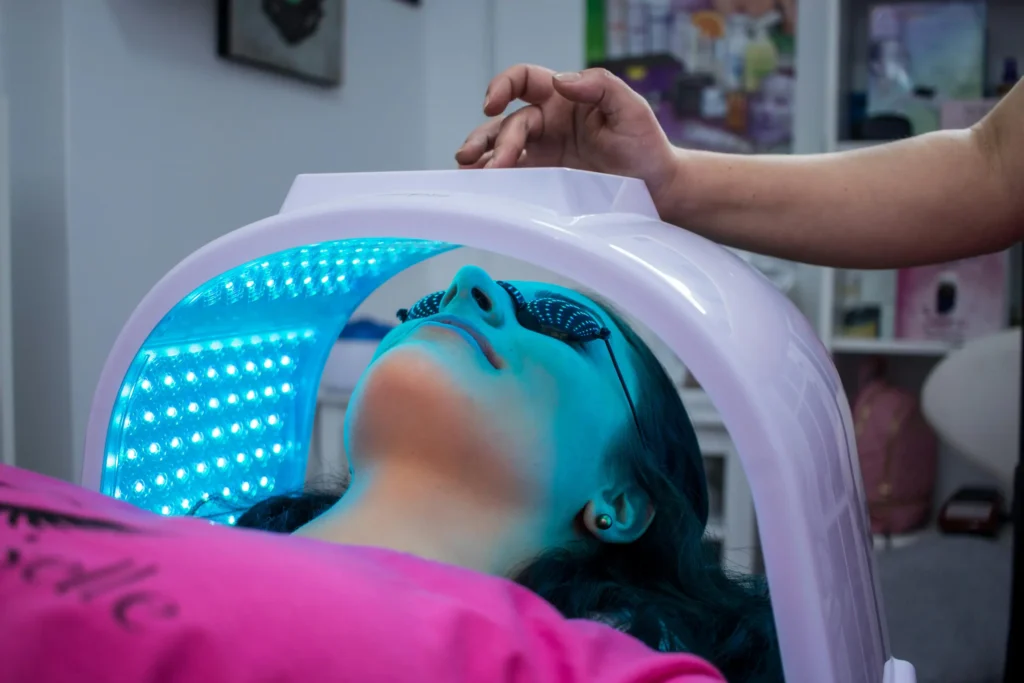
LED face masks have become one of the most talked-about skincare devices in recent years. Promising clearer skin, fewer breakouts, and reduced inflammation, these at-home light therapy devices are now widely available from both affordable and premium skincare brands.
But with so many products making bold claims, many people wonder: Do LED face masks actually work for acne?
The short answer is yes—but with realistic expectations.
Research suggests that certain wavelengths of LED light, particularly blue light and red light, can help reduce acne-causing bacteria and calm inflammation. However, LED face masks are not an overnight cure, and results depend on factors such as the quality of the device, the severity of your acne, and how consistently you use it.
For people with mild to moderate acne, an LED face mask may be a helpful addition to a well-rounded skincare routine. It can support clearer skin when combined with evidence-based ingredients such as salicylic acid, benzoyl peroxide, or retinoids. On the other hand, those with severe cystic acne may require prescription treatments from a dermatologist.
In this guide, you’ll learn:
- What LED face masks are and how they work
- The science behind blue and red light therapy
- Whether LED face masks actually work for acne
- Their potential benefits and limitations
- Who should use them—and who should avoid them
- How to use LED face masks safely
- Tips for choosing the best LED face mask for your needs
Whether you’re considering your first LED device or wondering if it’s worth the investment, this guide will help you make an informed decision.
Table of Contents
- What Is an LED Face Mask?
- How Does LED Light Therapy Work?
- Do LED Face Masks Actually Work for Acne?
- Blue Light vs. Red Light for Acne
- Benefits of LED Face Masks
- Who Should Use an LED Face Mask?
- Who Should Avoid LED Light Therapy?
- Possible Side Effects
- How to Use an LED Face Mask Safely
- LED Face Masks vs. Professional LED Treatments
- How to Choose the Best LED Face Mask
- Frequently Asked Questions
- Final Thoughts
What Is an LED Face Mask?
An LED face mask is a wearable skincare device that uses Light Emitting Diodes (LEDs) to deliver specific wavelengths of visible or near-infrared light to the skin.
Unlike laser treatments, LED light therapy does not damage the surface of the skin. Instead, different colors of light penetrate the skin at different depths, where they interact with skin cells to support various biological processes.
Because LED therapy is non-invasive, painless, and requires no downtime, it has become a popular option for people who want to complement their skincare routine at home.
Most LED face masks are designed to address one or more skin concerns, including:
- Acne and breakouts
- Redness and inflammation
- Fine lines and wrinkles
- Uneven skin tone
- Dull-looking skin
- Post-acne marks
Although some devices include multiple light colors, blue light and red light are the wavelengths most commonly associated with acne treatment.
How Does LED Light Therapy Work?
Different wavelengths of light penetrate the skin to different depths, producing different effects.
The effectiveness of an LED face mask depends not only on the color of the light but also on the device’s wavelength, power output, and treatment consistency.
The three most common light colors are described below.
Blue Light Therapy
Blue light is the primary wavelength used to help manage acne.
It works by targeting Cutibacterium acnes (formerly Propionibacterium acnes), the bacteria associated with inflammatory acne.
When these bacteria absorb blue light, chemical reactions occur that can damage and reduce the bacterial population without harming surrounding skin tissue.
Potential benefits of blue light include:
- Helps reduce acne-causing bacteria
- May decrease inflammatory breakouts
- Supports clearer-looking skin
- Non-invasive and painless
- Suitable for mild to moderate acne
Blue light works best when used consistently over several weeks as part of a complete acne skincare routine.
Red Light Therapy
While blue light targets bacteria, red light focuses on reducing inflammation and supporting the skin’s natural healing process.
Red light penetrates deeper into the skin than blue light and may help improve skin recovery after breakouts.
Potential benefits include:
- Helps calm redness
- Supports skin repair
- May reduce inflammation
- Can improve overall skin appearance
- May complement blue light therapy
Many LED face masks combine blue and red light in the same treatment program for a more comprehensive approach to acne care.
Near-Infrared Light
Some premium LED face masks also include near-infrared (NIR) light.
Unlike visible light, near-infrared light penetrates even deeper into the skin and underlying tissues.
Although it is more commonly associated with anti-aging and skin recovery than acne treatment, it may help support overall skin health by promoting cellular repair and reducing inflammation.
Do LED Face Masks Actually Work for Acne?
Current scientific evidence suggests that LED light therapy can help improve mild to moderate acne, especially when used consistently over time.
Rather than acting as a standalone cure, LED face masks are generally most effective when combined with a complete skincare routine that includes cleansing, moisturizing, and acne-fighting ingredients.
What the Research Suggests
Studies have shown that:
- Blue light can reduce acne-causing bacteria.
- Red light may help decrease inflammation.
- Combined blue and red light therapy often produces better results than using either wavelength alone.
- Regular use over several weeks is usually necessary before noticeable improvements occur.
While many users experience fewer inflammatory breakouts and less redness, results vary depending on factors such as:
- Acne severity
- Skin type
- Treatment frequency
- Device quality
- Overall skincare routine
People with severe nodular or cystic acne should not rely solely on LED face masks and may benefit more from professional medical treatment.
Blue Light vs. Red Light: Which Is Better for Acne?
| Feature | Blue Light | Red Light |
|---|---|---|
| Primary Purpose | Targets acne-causing bacteria | Reduces inflammation |
| Best For | Active acne breakouts | Redness and healing |
| Penetration Depth | Shallow | Deeper |
| Helps Prevent New Acne | ✅ Yes | Limited |
| Supports Skin Recovery | Limited | ✅ Yes |
Which One Should You Choose?
For most people with acne, a device that offers both blue and red light therapy provides the greatest versatility.
Blue light focuses on reducing acne-causing bacteria, while red light supports the skin’s healing process and helps calm inflammation after breakouts.
Key Takeaway
Yes, LED face masks can work for acne—but they work best as part of a complete skincare routine rather than as a standalone treatment.
Consistent use, realistic expectations, and choosing a high-quality device are the keys to achieving the best possible results
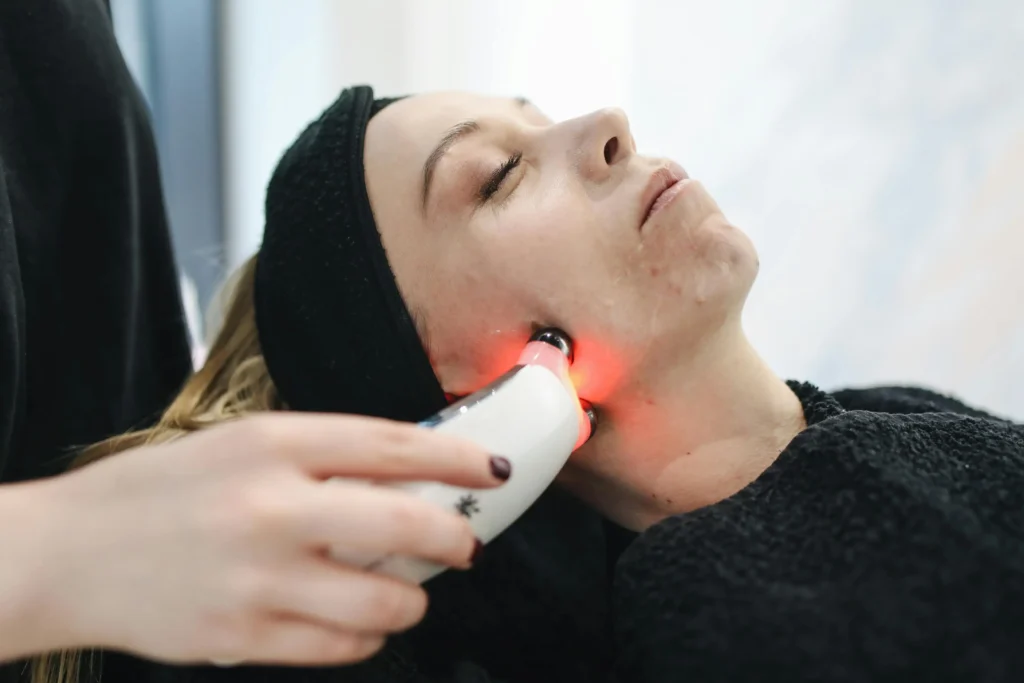
Benefits of LED Face Masks for Acne
One of the biggest advantages of LED face masks is that they provide a non-invasive, drug-free approach to acne management. While they may not replace prescription treatments for severe acne, they can be a valuable addition to a consistent skincare routine.
Here are the main benefits supported by current research and dermatology experts.
1. Helps Reduce Acne-Causing Bacteria
Blue LED light is well known for targeting Cutibacterium acnes, the bacteria associated with inflammatory acne.
By reducing the amount of acne-causing bacteria on the skin, blue light may help decrease the frequency of pimples and inflammatory breakouts.
This benefit is most noticeable in people with mild to moderate acne who use their LED device consistently.
2. Reduces Inflammation and Redness
Inflammation plays a major role in acne.
Red LED light penetrates deeper into the skin, where it may help calm inflammatory responses and reduce visible redness around active blemishes.
Many users notice that pimples appear less swollen after several weeks of regular treatment.
3. Supports Skin Healing
After a breakout heals, the skin needs time to recover.
Red light therapy may help support the skin’s natural repair process, allowing post-acne redness to fade more comfortably.
Although LED therapy is not a treatment for deep acne scars, it can contribute to healthier-looking skin during recovery.
4. Completely Non-Invasive
Unlike chemical peels, microneedling, or laser treatments, LED face masks do not damage the skin’s surface.
There are:
- No needles
- No injections
- No downtime
- No recovery period
Most users can return to their normal skincare routine immediately after each session.
5. Suitable for Regular Home Use
One of the reasons LED face masks have become so popular is convenience.
Instead of scheduling repeated clinic appointments, users can perform treatments at home according to the manufacturer’s instructions.
This makes LED therapy an attractive option for maintaining results between professional treatments.
6. May Complement Other Acne Treatments
LED face masks generally work best as part of a complete acne routine.
They can complement ingredients such as:
- Salicylic acid
- Benzoyl peroxide
- Niacinamide
- Retinoids
- Azelaic acid
Rather than replacing these ingredients, LED therapy provides an additional layer of support.
Who Should Use an LED Face Mask?
LED face masks are not suitable for every situation, but many people can benefit from adding them to their skincare routine.
The table below provides general guidance.
| Skin Concern | Recommendation | Notes |
|---|---|---|
| Mild acne | ✅ Excellent | One of the best candidates for home LED therapy. |
| Moderate acne | ✅ Good | Best when combined with a complete skincare routine. |
| Occasional breakouts | ✅ Good | May help reduce inflammation and speed recovery. |
| Acne-prone skin | ✅ Good | Can support long-term maintenance. |
| Sensitive skin | ✅ Usually suitable | Start with shorter sessions and monitor your skin. |
| Severe cystic acne | ⚠ Consult a dermatologist | Professional treatment may be more appropriate. |
People looking for a gentle, non-medication approach often find LED masks appealing because they are painless and easy to incorporate into a weekly routine.
Who Should Avoid LED Face Masks?
Although LED therapy is considered safe for most healthy adults, there are situations where extra caution is recommended.
Consult a healthcare professional before using an LED face mask if you:
- Have severe cystic or nodular acne.
- Have a condition that causes light sensitivity.
- Take medications that increase photosensitivity.
- Have uncontrolled epilepsy triggered by flashing lights.
- Have recently undergone certain cosmetic procedures unless advised otherwise by your provider.
If you are unsure whether LED therapy is appropriate for your skin, a dermatologist can provide personalized guidance.
Possible Side Effects
Most users tolerate LED face masks very well.
However, mild side effects can occasionally occur, especially when treatments are performed too frequently or for longer than recommended.
Possible side effects include:
- Temporary redness
- Mild skin dryness
- Tightness
- Warm sensation during treatment
- Eye discomfort if protective measures are ignored
These reactions are usually temporary and resolve on their own.
If irritation persists, stop using the device and seek medical advice.
How to Use an LED Face Mask Safely
Following the manufacturer’s instructions is essential for both safety and effectiveness.
A typical treatment routine includes the following steps.
Step 1. Cleanse Your Face
Wash your face with a gentle cleanser to remove makeup, sunscreen, dirt, and excess oil.
Clean skin allows light to reach the skin more effectively.
Step 2. Dry Your Skin
Pat your face dry with a clean towel.
Avoid applying heavy skincare products before using your LED mask unless the manufacturer specifically recommends them.
Step 3. Wear the LED Face Mask
Position the mask comfortably over your face.
If your device includes eye protection or recommends closing your eyes during treatment, follow those instructions carefully.
Step 4. Complete the Recommended Session
Most home LED face masks recommend sessions lasting approximately 10–20 minutes, depending on the device.
Avoid extending treatment beyond the manufacturer’s recommendations, as longer sessions do not necessarily produce better results.
Step 5. Continue Your Skincare Routine
After your session, apply products that support your skin barrier, such as:
- Moisturizer
- Hyaluronic acid serum
- Ceramide cream
If you perform LED therapy during the day, finish with a broad-spectrum sunscreen (SPF 30 or higher) before going outdoors.
How Often Should You Use an LED Face Mask?
Consistency matters more than frequency.
Most manufacturers recommend using an LED face mask three to five times per week during the initial treatment period.
Once improvements become noticeable, many users switch to one to three maintenance sessions per week.
Always follow the instructions provided with your specific device, as recommended usage may vary.
Common Mistakes to Avoid
Even high-quality LED face masks may produce disappointing results if they are used incorrectly.
Here are some of the most common mistakes.
Expecting Overnight Results
LED therapy works gradually.
Visible improvements often require several weeks of consistent use.
Buying Extremely Cheap Devices
Not all LED masks are created equal.
Devices with poorly controlled wavelengths or very low power output may not provide meaningful benefits.
Skipping Your Regular Skincare Routine
LED therapy should support—not replace—your daily skincare routine.
Continue using dermatologist-recommended products appropriate for your skin type.
Using the Device Too Frequently
More treatment is not always better.
Overusing an LED face mask may increase irritation without improving results.
Ignoring Sunscreen
While LED therapy itself does not cause UV damage, protecting your skin with sunscreen remains an essential part of any acne treatment routine.
Key Takeaway
LED face masks are generally safe and easy to use when you follow the manufacturer’s instructions. The best results come from consistent use, realistic expectations, and combining LED therapy with a well-balanced skincare routine rather than relying on the device alone.
LED Face Masks vs. Professional LED Treatments
If you’re considering light therapy for acne, you may wonder whether an at-home LED face mask is enough or if professional treatments at a dermatologist’s office are worth the investment.
Both options use similar principles, but there are important differences.
| Feature | At-Home LED Face Mask | Professional LED Treatment |
|---|---|---|
| Cost | Lower long-term cost | Higher per session |
| Convenience | Use anytime at home | Requires appointments |
| Light Intensity | Lower | Higher |
| Treatment Time | 10–20 minutes | Usually 15–30 minutes |
| Results | Gradual | Often faster |
| Best For | Mild to moderate acne | Moderate to severe acne or customized care |
At-Home LED Face Masks
Home devices are designed to be safe for regular use. They typically use lower light intensity than professional equipment, which means results may take longer but the risk of side effects is also lower when used correctly.
They are ideal for:
- Maintaining clearer skin
- Treating occasional breakouts
- Supporting a consistent skincare routine
- Users who prefer convenient at-home treatments
Professional LED Therapy
Dermatology clinics often use medical-grade LED systems with higher power output and carefully controlled wavelengths.
Professional treatment may be recommended for:
- Persistent inflammatory acne
- Moderate to severe acne
- People who want faster results
- Those combining LED therapy with other in-office procedures
While professional treatments can produce noticeable improvements more quickly, they are generally more expensive and require scheduled appointments.
How Long Does It Take to See Results?
LED face masks require consistency and patience. Unlike spot treatments that may reduce the appearance of a pimple overnight, LED light therapy works gradually by supporting your skin’s natural processes.
The timeline below provides a general expectation.
| Time | What You May Notice |
|---|---|
| Weeks 1–2 | Skin begins adjusting to regular treatments. |
| Weeks 3–4 | Redness may start to decrease and inflammatory breakouts become less noticeable. |
| Weeks 6–8 | Many users see fewer new pimples and calmer-looking skin. |
| Weeks 10–12 | Continued improvement with regular use and a consistent skincare routine. |
Individual results vary depending on:
- Acne severity
- Device quality
- Treatment frequency
- Overall skincare routine
- Lifestyle factors such as sleep, stress, and diet
The key is to stay consistent rather than expecting immediate results.
How to Choose the Best LED Face Mask
Not all LED face masks are created equal. Before purchasing one, consider the following factors.
1. Light Wavelength
Effective acne devices typically use:
- Blue light to target acne-causing bacteria.
- Red light to reduce inflammation and support healing.
Some premium models also include near-infrared light for additional skin-repair benefits.
2. Comfortable Fit
A well-fitting mask ensures that light reaches all treatment areas evenly.
Lightweight designs are often more comfortable during longer sessions.
3. Full-Face Coverage
Choose a mask that provides even coverage across the forehead, cheeks, chin, and jawline, where acne commonly develops.
4. Built-In Timer
An automatic timer helps ensure consistent treatment sessions and reduces the risk of overuse.
5. Safety Features
Look for products that include:
- Eye protection if recommended
- Clear user instructions
- Automatic shut-off
- Reputable safety testing or regulatory clearance where applicable
6. Brand Reputation
Choose devices from brands that provide transparent information about their technology, treatment recommendations, and customer support.
Reading independent reviews can also help you make an informed decision.
If you’re looking for product recommendations, see our guide to Best LED Face Masks for Acne, where we compare features, pricing, and performance.
Frequently Asked Questions
1. Do LED face masks really work for acne?
Yes. Research suggests that blue and red LED light therapy can help improve mild to moderate acne when used consistently. However, results vary between individuals, and LED masks work best as part of a complete skincare routine.
2. Is blue light or red light better for acne?
Both have different roles.
Blue light primarily targets acne-causing bacteria, while red light helps reduce inflammation and supports skin healing. Many devices combine both wavelengths for better overall results.
3. Can LED face masks remove acne scars?
LED face masks may help reduce post-acne redness and support skin recovery, but they are unlikely to remove deep acne scars. Professional treatments such as microneedling or laser therapy are often more effective for significant scarring.
4. Can I use an LED face mask every day?
Follow the manufacturer’s instructions.
Many devices recommend using the mask three to five times per week during the initial treatment phase, followed by maintenance sessions as needed.
5. Are LED face masks safe?
For most healthy adults, yes.
When used correctly, LED face masks are considered safe and non-invasive. People with photosensitive conditions or those taking medications that increase light sensitivity should consult a healthcare professional before use.
6. Can teenagers use LED face masks?
Teenagers with mild acne may benefit from LED therapy, but younger users should seek guidance from a parent, guardian, or healthcare professional before beginning treatment.
7. Can LED face masks replace acne medication?
No.
LED therapy is generally considered a complementary treatment rather than a replacement for dermatologist-recommended acne medications, especially for moderate or severe acne.
8. Should I use skincare products after LED therapy?
Yes.
Applying a moisturizer after treatment can help support the skin barrier. During the day, always finish your routine with a broad-spectrum sunscreen (SPF 30 or higher).
Final Thoughts
So, do LED face masks work for acne?
For many people with mild to moderate acne, the answer is yes—when expectations are realistic and the device is used consistently.
Blue light can help reduce acne-causing bacteria, while red light may calm inflammation and support the skin’s natural healing process. Together, they can contribute to clearer, healthier-looking skin over time.
However, LED face masks are not a miracle cure. They work best when combined with a well-rounded skincare routine that includes gentle cleansing, moisturizing, sun protection, and proven acne-fighting ingredients when appropriate.
If you have severe, painful, or persistent acne, consulting a dermatologist remains the best course of action. Professional guidance can help you identify the underlying cause of your acne and determine whether LED therapy should be part of your treatment plan.
For those looking for a convenient at-home solution, investing in a quality LED face mask and using it consistently may be a worthwhile addition to your skincare routine.
Related Articles
Continue learning about acne treatments and skincare devices with these guides:
LED & Beauty Device Guides
- Best LED Face Masks for Acne
- Do LED Face Masks Help with Anti-Aging?
- Red Light Therapy for Skin: Benefits & Risks
Acne Care Guides
- Best Face Wash for Oily Acne-Prone Skin
- Best Moisturizer for Acne-Prone Skin
- Salicylic Acid for Acne: Complete Guide
- Benzoyl Peroxide for Acne: Benefits & Side Effects
- Niacinamide for Skin: Benefits & How to Use It
Skincare Routine Guides
- Retinol for Skin: Benefits & Safe Usage
- Sunscreen Benefits: Why Daily SPF Matters
- Best Sunscreens for Sensitive Skin
- Acne-Prone Skin Hub
References
This article is based on information from trusted dermatology organizations and peer-reviewed medical research.
- American Academy of Dermatology (AAD) – Guidance on acne treatment and light-based therapies.
- Cleveland Clinic – Educational resources on LED light therapy and acne management.
- MedlinePlus – Consumer health information on acne and skincare treatments.
- PubMed – Clinical studies evaluating blue light and red light therapy for acne vulgaris.