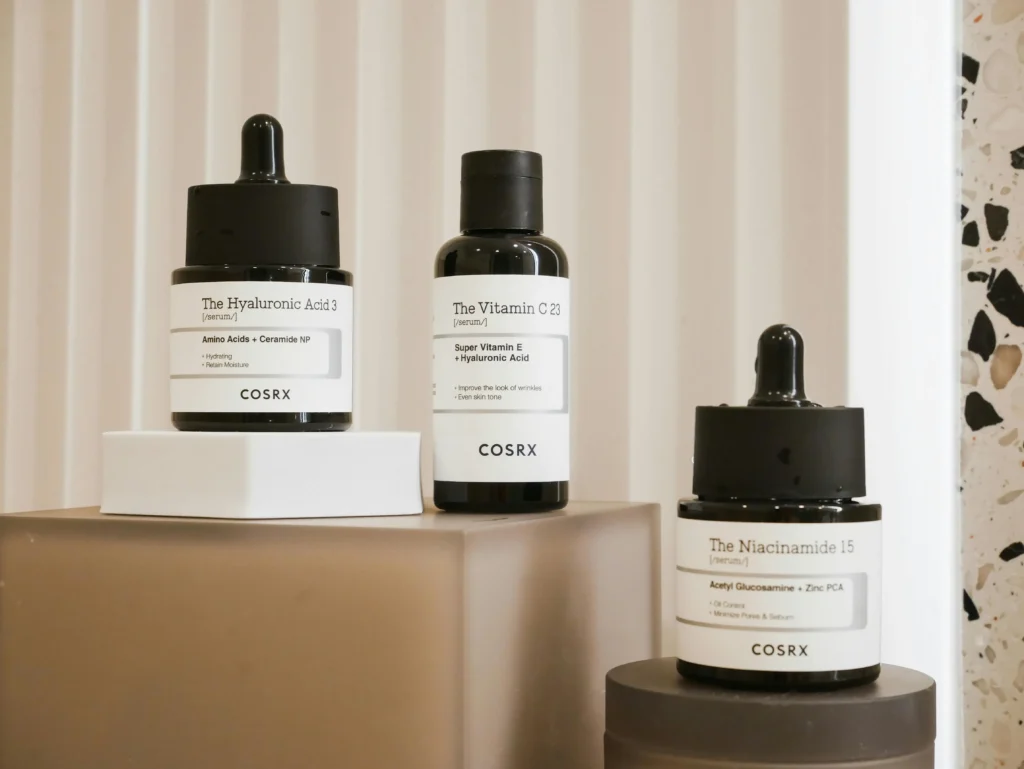
Niacinamide is one of the most versatile skincare ingredients for reducing pores, controlling oil, fading dark spots, and strengthening the skin barrier. Suitable for almost all skin types, niacinamide helps balance the skin while improving texture and tone.
In this category, you’ll find dermatologist-reviewed niacinamide serums, product comparisons, and expert guides to help you choose the best niacinamide for your skin type and concerns.
🔎 Explore Niacinamide Guides:
- Best Niacinamide Serum for Oily Skin
- Best Niacinamide for Acne-Prone Skin
- Best Niacinamide for Dark Spots
- Best Niacinamide for Sensitive Skin
- Niacinamide vs Vitamin C
- How to Layer Niacinamide with Retinol
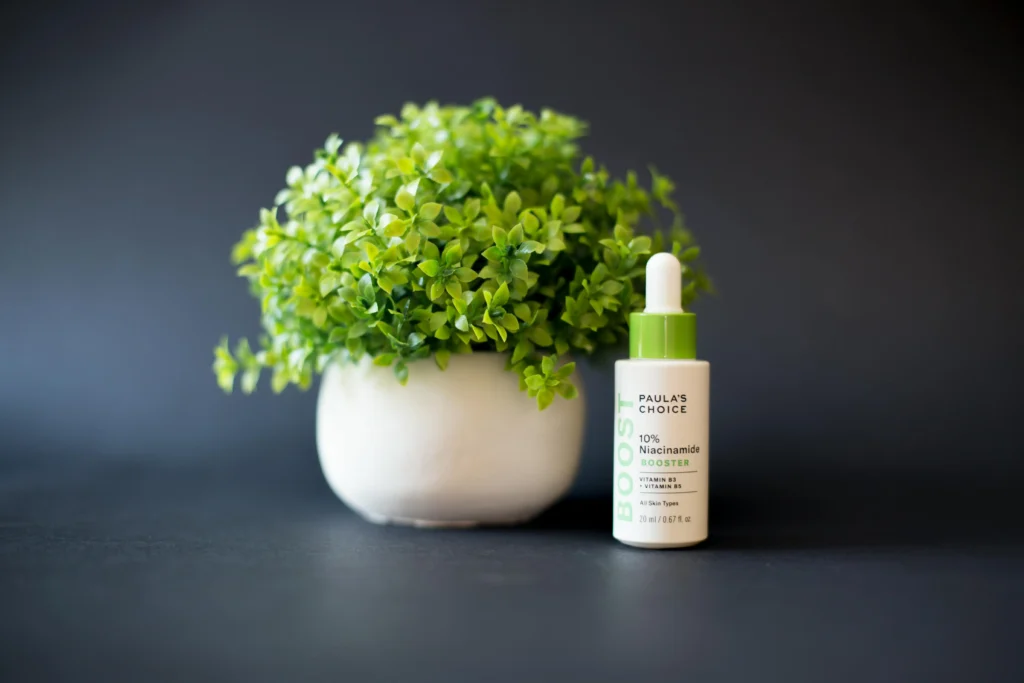
⭐ Editor’s Pick: 10 Best Niacinamide Serums (2026 Dermatologist-Reviewed Guide)
Looking for the best niacinamide serum for pores, oil control, and uneven skin tone? Our 2026 guide compares top-rated niacinamide products based on concentration, formulation stability, texture, and skin compatibility.
We analyzed ingredient lists, real user results, and dermatologist recommendations to highlight safe and effective options for every budget.
👉 Read the full guide: Best Niacinamide Serums for All Skin Types
Niacinamide Product Guides & Reviews
Browse our detailed niacinamide comparisons and recommendations:
Best Niacinamide for Oily Skin
Lightweight formulas that help reduce excess sebum and minimize the appearance of large pores.
Best Niacinamide for Acne-Prone Skin
Serums that calm inflammation, regulate oil production, and reduce post-acne marks.
Best Niacinamide for Dark Spots
Formulas that target hyperpigmentation and uneven skin tone.
Best Niacinamide for Sensitive Skin
Gentle, fragrance-free options with soothing ingredients like panthenol and ceramides.
Best Affordable Niacinamide Serums
Budget-friendly products that deliver visible results without irritation.
Niacinamide for Large Pores
High-performance formulas designed to refine skin texture and smooth appearance.
How to Choose the Right Niacinamide for Your Skin Type
Niacinamide works well for most people, but choosing the right concentration matters.
Oily & Acne-Prone Skin
Look for 5%–10% niacinamide to help regulate sebum and reduce breakouts.
Dry Skin
Choose formulas with hydrating ingredients like hyaluronic acid or glycerin.
Sensitive Skin
Start with 2%–5% concentration to minimize potential irritation.
Combination Skin
Balanced serums with 5% niacinamide are usually ideal.
What Is Niacinamide & What Does It Do?
Niacinamide (Vitamin B3) is a water-soluble vitamin that improves the skin’s barrier function, reduces inflammation, and supports even skin tone.
Niacinamide Benefits
- Minimizes enlarged pores
- Controls excess oil
- Reduces redness
- Fades dark spots
- Strengthens the skin barrier
- Improves skin texture
Niacinamide vs Vitamin C
Both ingredients help brighten the skin, but they work differently:
- Niacinamide focuses on barrier repair, oil control, and calming inflammation.
- Vitamin C primarily targets brightening and antioxidant protection.
They can be used together in most modern formulations.
Can You Use Niacinamide with Retinol?
Yes. Niacinamide can help reduce irritation caused by retinol and improve overall skin tolerance.
How to Use Niacinamide in Your Routine
- Apply after cleansing and toner
- Use morning and/or night
- Follow with moisturizer
- Wear sunscreen during the day
Frequently Asked Questions About Niacinamide
What percentage of niacinamide is best?
For most people, 5% is effective and well-tolerated. Higher concentrations (10%) may offer stronger oil control but can irritate sensitive skin.
Can niacinamide cause purging?
Niacinamide does not typically cause purging because it does not increase cell turnover like retinol.
How long does niacinamide take to work?
Visible improvements in oil control and skin tone usually appear within 4–8 weeks.
Can I use niacinamide every day?
Yes, niacinamide is gentle enough for daily use.
Is niacinamide good for acne scars?
It helps fade post-inflammatory hyperpigmentation (dark marks), but not deep textured scars.