
Welcome to our Retinol Guide, your comprehensive resource for understanding one of the most researched ingredients in modern skincare. Whether you’re interested in improving the appearance of fine lines, uneven skin texture, or acne-prone skin, retinol can play an important role when used correctly.
This hub explains how retinol works, who may benefit from it, and how to introduce it into your skincare routine while minimizing irritation.
What Is Retinol?
Retinol is a derivative of vitamin A that belongs to a family of ingredients known as retinoids. It is widely used in skincare products to support skin renewal and improve the appearance of aging, discoloration, and uneven texture.
Because retinol increases skin cell turnover, beginners are generally encouraged to introduce it gradually and pair it with moisturizing products.
Benefits of Retinol for Skin
Many people include retinol in their routines because it may help:
- Improve the appearance of fine lines and wrinkles
- Promote smoother-looking skin texture
- Reduce the appearance of uneven skin tone
- Support clearer-looking pores
- Minimize post-acne marks over time
- Encourage skin renewal with consistent use
Results vary depending on product strength, frequency of use, and individual skin type.

How to Use Retinol Safely
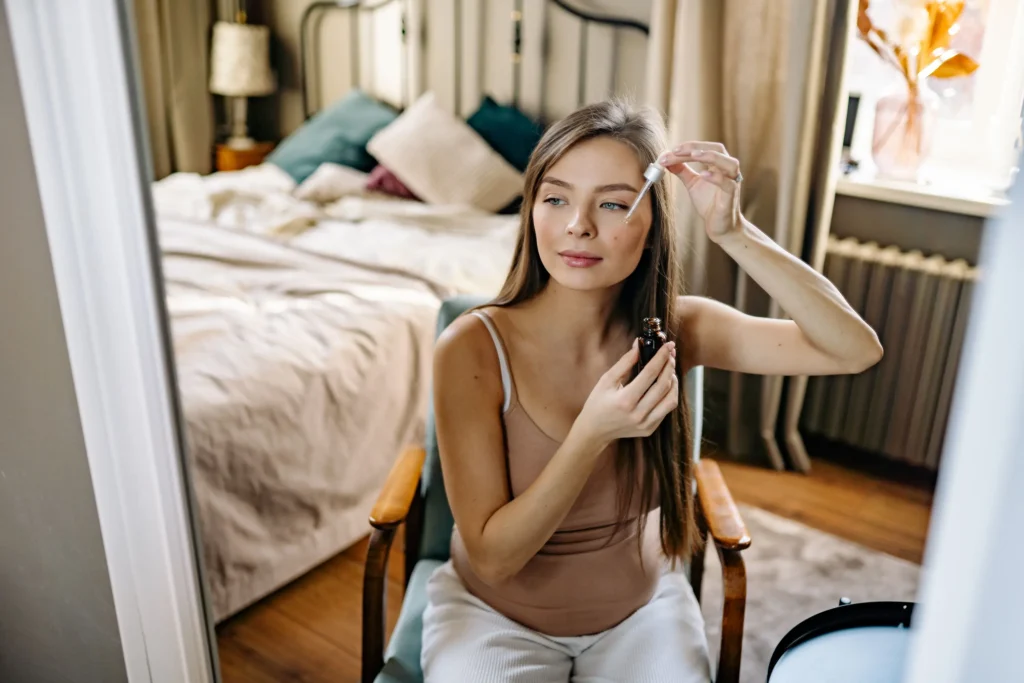
If you are new to retinol, start with a low-strength product and apply it only a few nights per week.
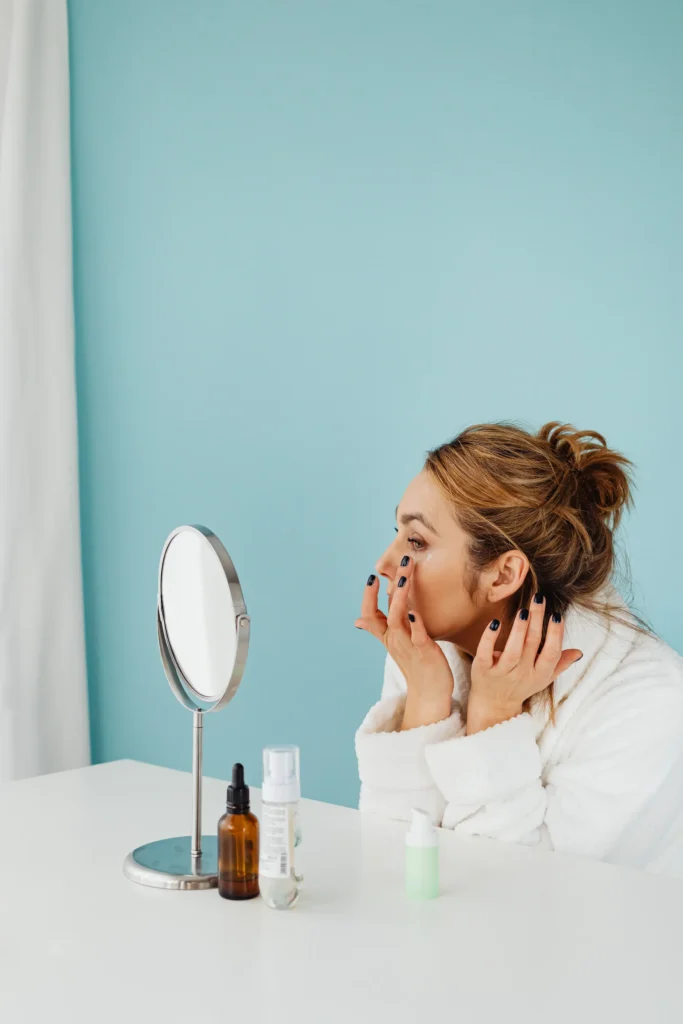
A beginner-friendly evening routine may look like this:
- Gentle cleanser
- Allow skin to dry completely
- Apply a small amount of retinol
- Follow with a moisturizer
Always apply broad-spectrum sunscreen during the day, as retinol may increase sensitivity to sunlight.
Ingredients That Pair Well With Retinol
Ceramides
Ceramides help support the skin barrier and may reduce dryness associated with retinol use.
Related guide: Best Ceramide Cream for Dry Skin
Hyaluronic Acid
Hyaluronic acid provides hydration and helps maintain skin comfort when using active ingredients.
Niacinamide
Niacinamide complements retinol by supporting the skin barrier and reducing visible redness in many users.
Related guide: Niacinamide Guide
Sunscreen
Daily sun protection is an essential part of any retinol routine to help protect newly renewed skin from UV damage.
Explore More Retinol Resources
Expand your skincare knowledge with these related guides:
- → Retinol for Beginners
- → Best Retinol Creams
- → Niacinamide Guide
- → Sensitive Skin Hub
- → Skincare Ingredients Hub
These resources explain ingredient compatibility, beginner routines, and ways to build an effective skincare regimen.
Common Side Effects and Tips
When starting retinol, some people experience temporary:
- Dryness
- Mild peeling
- Redness
- Tightness
- Increased sensitivity
To reduce discomfort:
- Start slowly.
- Avoid overusing exfoliants at the same time.
- Keep your skin moisturized.
- Wear sunscreen every morning.
- Increase frequency only as your skin adapts.
If irritation becomes severe or persistent, discontinue use and seek advice from a qualified healthcare professional.
Frequently Asked Questions
What does retinol do for the skin?
Retinol promotes skin renewal and may improve the appearance of fine lines, uneven texture, discoloration, and acne-prone skin with consistent use.
Can beginners use retinol?
Yes. Many beginners start with a low concentration and use it two or three nights per week before gradually increasing frequency.
Should I use retinol every night?
Not necessarily. Many people build tolerance gradually and adjust usage based on their skin’s response.
Can retinol and niacinamide be used together?
Yes. Niacinamide is often paired with retinol because it helps support the skin barrier and may reduce irritation for some users.
Is sunscreen necessary when using retinol?
Yes. Daily sunscreen is strongly recommended because retinol may make skin more sensitive to sun exposure.
Trusted Resources
For evidence-based information on retinoids and healthy skincare practices, consult guidance from dermatology organizations and peer-reviewed medical literature.