
Dry skin isn’t just a texture issue — it’s a sign that your skin barrier is struggling to hold onto moisture. This hub breaks down what actually causes dryness, how to rebuild a resilient barrier, and which ingredients are worth prioritizing if your skin regularly feels tight, flaky, or rough.
Rather than reaching for the newest trending product, the most reliable results usually come from three things done consistently: gentle cleansing, layered hydration, and barrier repair.
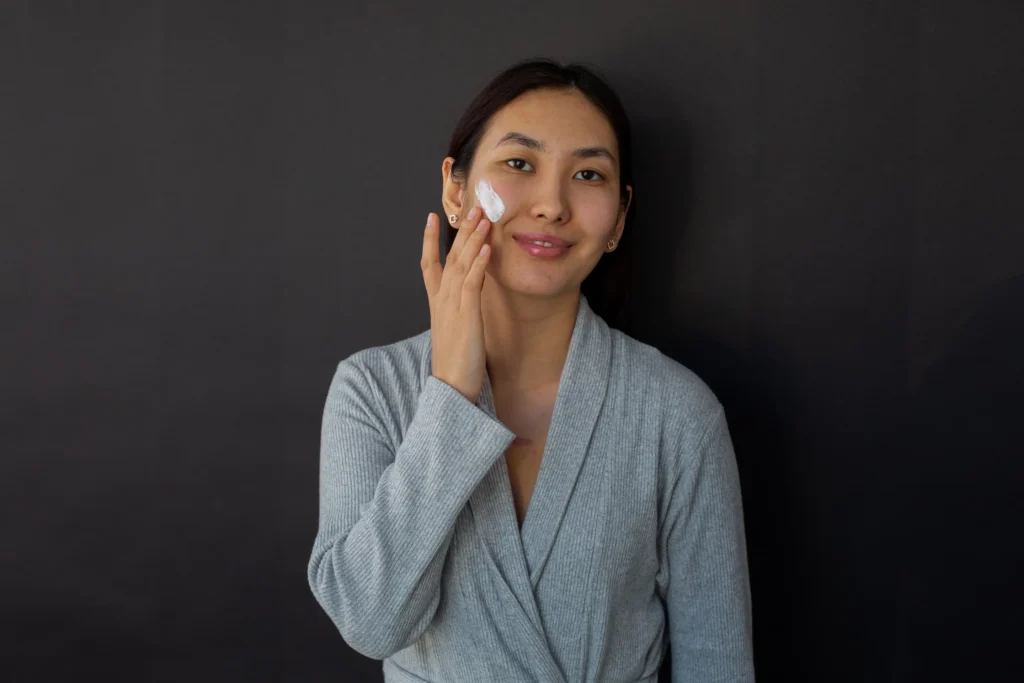
Why Does Skin Become Dry?
Dryness happens when your skin’s outer layer — the barrier — can’t retain enough water or lipids to stay balanced. A few common triggers:
Environmental factors: cold weather, low indoor humidity, and wind can pull moisture out of the skin faster than it’s replenished.
Hot water exposure: long, hot showers strip natural oils more than people expect.
Age-related changes: oil production naturally slows down over time, making skin more prone to dryness.
Over-cleansing or harsh products: sulfates, high concentrations of alcohol, or over-exfoliating can damage the barrier.
Underlying skin conditions: eczema or dermatitis can also present as chronic dryness — if this sounds familiar, a dermatologist visit is worth considering.
Telltale signs include tightness right after washing, visible flaking, a rough or dull surface, and skin that reacts more easily to products it used to tolerate fine.

A Barrier-First Routine for Dry Skin
Dry skin tends to respond better to fewer, well-chosen products than to a long routine. A practical structure:
Cleanse with a cream or oil-based cleanser that doesn’t leave skin feeling tight afterward.
Layer hydration while skin is still damp — this is when humectants work best.
Seal it in with a moisturizer built around lipids (ceramides, fatty acids, cholesterol).
Sunscreen every morning — UV exposure breaks down the same barrier components you’re trying to rebuild.
Exfoliate sparingly, if at all — dry skin usually needs less exfoliation than other skin types, not more.

Key Ingredients for Dry, Dehydrated Skin
Ceramides
Ceramides are lipids that occur naturally in skin and make up a large part of the barrier structure. When that structure is compromised — from weather, aging, or harsh products — replenishing ceramides topically can measurably reduce water loss over time.
→ Best Ceramide Cream for Dry Skin
Hyaluronic Acid
A humectant that draws water into the outer skin layers. It works best applied to damp skin and sealed with a moisturizer — used alone on dry air, it can occasionally pull moisture from deeper layers instead of the environment.
→ Best Hyaluronic Acid Serum for Dry Skin
Glycerin
One of the most well-studied humectants in skincare, glycerin helps maintain hydration levels throughout the day and is often found in the base formula of moisturizers rather than as a standalone treatment.
Squalane
An emollient that mimics the skin’s natural oils, helping soften rough texture without feeling heavy — a good fit for flaky, dehydrated skin that still needs lightweight hydration.
Related Guides
Best Ceramide Cream for Dry Skin
Best Hyaluronic Acid Serum for Dry Skin
Best Moisturizers for Dry Skin
Skincare Ingredients Hub
Daily Habits That Support a Healthier Barrier
Switch to lukewarm water for washing your face and showering.
Moisturize within a few minutes of cleansing, while skin is still slightly damp.
Run a humidifier if you live somewhere with dry indoor heating or air conditioning.
Patch-test new actives — dry skin tends to react more visibly to irritation than other skin types.
Give a new routine at least 2–3 weeks before judging results; barrier repair isn’t instant.
FAQ
Why does my skin feel dry even after moisturizing?
This usually means the moisturizer isn’t sealing in enough moisture, or it’s being applied to fully dry skin instead of damp skin. Applying within a few minutes of cleansing makes a noticeable difference.
Is drinking more water enough to fix dry skin?
Hydration helps overall health, but topical barrier repair (ceramides, occlusives) addresses dryness more directly than water intake alone.
Can dry skin also be sensitive skin?
Often, yes — a damaged barrier makes skin more reactive to products, fragrance, and environmental triggers, which is why gentle formulas matter more once dryness sets in.
Should I switch my whole routine for winter?
Not necessarily a full switch, but many people benefit from a richer moisturizer and lighter exfoliation during colder months.
Trusted Resources
For further reading on skin barrier health, the American Academy of Dermatology and the Mayo Clinic both publish accessible, evidence-based guidance on managing dry skin.