
Acne-prone skin isn’t caused by one single thing — it’s usually a mix of oil production, clogged pores, bacteria, and sometimes hormones, all interacting differently from one person to the next. This hub is built to help you understand what’s actually driving your breakouts and which ingredients have the most evidence behind them, without falling into the trap of over-treating your skin.
What Actually Triggers Breakouts?
A few overlapping factors tend to drive acne:
Excess sebum (oil) production, often influenced by hormones, especially during puberty, menstrual cycles, or periods of high stress.
Clogged pores, from a buildup of dead skin cells mixing with oil.
Cutibacterium acnes bacteria, which thrives in clogged, oily pores and triggers inflammation.
Product mismatch, such as heavy, comedogenic formulas that aren’t suited to oily or acne-prone skin.
Friction and touch, from phones, masks, pillowcases, or picking at the skin.
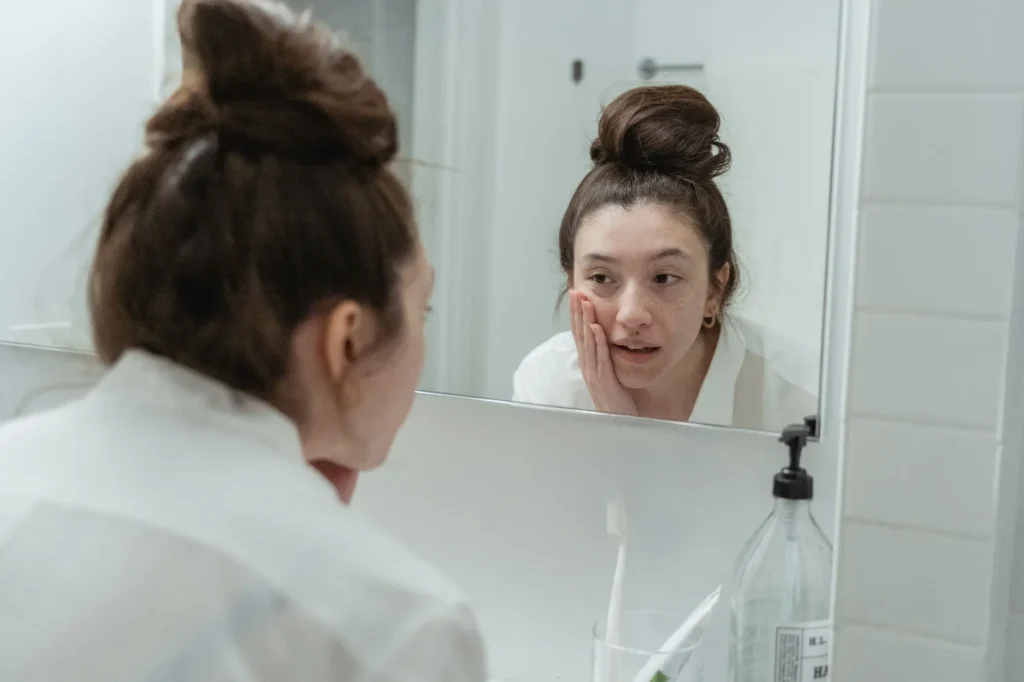
Breakouts can range from small clogged pores (blackheads/whiteheads) to deeper, inflamed cysts — and the right approach often depends on which type you’re dealing with.
Building a Routine Without Overdoing It
One of the most common mistakes with acne-prone skin is introducing too many active ingredients at once. A more sustainable structure:
Cleanse twice daily with a formula that removes oil without leaving skin feeling stripped or tight.
Treat with one active ingredient at a time, giving your skin 4–6 weeks to show a response before adding another.
Moisturize — yes, even oily skin needs it. Skipping moisturizer can trigger more oil production as skin tries to compensate.
Apply sunscreen daily, ideally a non-comedogenic, oil-free formula — this also helps prevent post-acne marks from darkening further.
Resist picking or popping — this is one of the biggest drivers of scarring and prolonged inflammation.
Ingredients With the Strongest Track Record for Acne
Salicylic Acid (BHA)
Oil-soluble, which lets it penetrate into the pore lining itself to help clear out oil and dead skin buildup — making it particularly useful for blackheads and surface-level congestion.
→ Best Salicylic Acid Serum for Acne-Prone Skin
Benzoyl Peroxide
Works primarily by reducing acne-causing bacteria. It’s one of the few ingredients that directly targets the bacterial side of breakouts rather than just oil or dead skin.
→ Best Benzoyl Peroxide Treatment for Acne
Niacinamide
Helps calm visible redness and supports a more even skin tone over time, which is particularly useful for skin dealing with both active breakouts and post-acne marks.
→ Best Niacinamide Serum for Acne-Prone Skin
Azelaic Acid
A gentler multitasker that helps with both breakouts and the discoloration acne can leave behind, making it a good option for people who find salicylic acid or benzoyl peroxide too drying.
Related Guides
Best Salicylic Acid Serum for Acne-Prone Skin
Best Niacinamide Serum for Acne-Prone Skin
Best Moisturizer for Oily Acne-Prone Skin
Best Benzoyl Peroxide Treatment for Acne
Skincare Ingredients Hub
Lifestyle Factors That Influence Breakouts
Change pillowcases roughly once a week — they collect oil and bacteria over time.
Clean makeup brushes and phone screens regularly.
Rinse off sweat as soon as possible after workouts.
Avoid switching multiple products at once — it makes it nearly impossible to know what’s working.
Track flare-ups against your cycle or stress levels if breakouts seem to come in patterns.

FAQ
Why do I still break out even though my skin is oily and I moisturize regularly?
Skipping moisturizer often backfires — dehydrated skin can overproduce oil to compensate. The fix is usually switching to a lighter, non-comedogenic formula rather than cutting moisturizer out entirely.
Is it better to spot-treat or treat my whole face?
Whole-face treatment is generally more effective for acne-prone skin, since breakouts often form in pores that aren’t visibly inflamed yet.
How long before an acne treatment actually works?
Most active ingredients need 6–8 weeks of consistent use before meaningful improvement becomes visible — purging in the first few weeks is common with actives like retinoids or BHA.
Can diet affect acne?
Some research links high-glycemic diets and dairy to acne in certain individuals, but responses vary widely — it’s not a universal trigger.
Trusted Resources
For further reading on acne management, the American Academy of Dermatology and the NHS both provide evidence-based, regularly updated guidance.